Tiếng Việt

Learn about the health checks, blood tests, cardiac assessments and pre-anaesthetic evaluation that may be required before surgery.
Before surgery under general anaesthesia, patients often focus on the procedure itself. However, checking a patient’s health beforehand is also an important part of safe treatment.
General anaesthesia can affect breathing, circulation and other body functions. Before surgery, the medical team therefore needs to review the patient’s overall health, medical conditions, current medications, allergies and any other factors that may affect anaesthesia.
The tests required will depend on the patient and the type of surgery. The goal is not to order as many tests as possible, but to gather enough information to assess risk and plan anaesthesia appropriately.

Why Is a Health Check Needed Before General Anaesthesia?
Assessing Whether You Are Ready for Surgery and Anaesthesia
Before surgery, the anaesthetist needs to assess your overall health.
This helps identify conditions that could affect anaesthesia, such as heart or lung disease, diabetes, liver or kidney disease, anaemia, blood-clotting disorders, or a history of unusual reactions to anaesthetic medications.
The assessment also helps determine whether any health issues need further investigation or better control before treatment begins.
Developing an Individualised Anaesthetic Plan
The same anaesthetic approach is not suitable for every patient.
The anaesthetist considers your health, the type and expected length of surgery, your previous experience with anaesthesia and any relevant risk factors when planning your care.
Tests are therefore only one part of the pre-anaesthetic assessment. A clinical examination and a detailed review of the patient’s medical history are also essential.
What Tests May Be Needed Before Surgery Under General Anaesthesia?
1. Full Blood Count
A full blood count provides information about:
- Haemoglobin and red blood cells
- White blood cells
- Platelets
The results can help identify or assess conditions such as anaemia, abnormal blood cell counts or platelet levels that may be associated with an increased risk of bleeding.
A full blood count is commonly considered before major or complex surgery.
2. Blood Clotting Tests
The body’s ability to control bleeding is an important consideration before surgery.
Depending on the patient’s health and medical history, the doctor may request clotting tests such as PT, INR, aPTT or other relevant tests.
These tests may be particularly important for people who:
- Have a history of unusual bleeding
- Take anticoagulants or other medicines that affect blood clotting
- Have liver disease
- Have a diagnosed blood-clotting disorder or a relevant medical history
3. Blood Glucose
Blood glucose control is important for people who have diabetes or are at risk of developing it.
Abnormal blood glucose levels can affect treatment and recovery after surgery. For people with diabetes, the doctor may also review HbA1c to assess longer-term blood glucose control.
4. Liver Function
The liver helps process many medications and also plays an important role in blood clotting.
For people with liver disease or risk factors for liver problems, liver function tests may be requested to assess their current condition before the anaesthetic and surgical plan is finalised.
5. Kidney Function and Electrolytes
Tests such as creatinine, estimated glomerular filtration rate (eGFR) and electrolytes help assess kidney function and the balance of certain substances in the blood.
These tests may be particularly relevant for older adults, people with kidney disease, heart disease or diabetes, and those at increased risk of kidney injury.
The results may also help doctors choose or adjust medications used around the time of surgery.

Are Heart and Lung Tests Needed as Well?
Electrocardiogram (ECG)
An ECG records the electrical activity of the heart. Whether it is needed depends on factors such as age, the type of surgery, existing medical conditions and cardiovascular risk.
An ECG may be particularly relevant for people with:
- A history of cardiovascular disease
- High blood pressure
- Diabetes or kidney disease associated with cardiovascular risk
- Symptoms that may suggest a heart problem
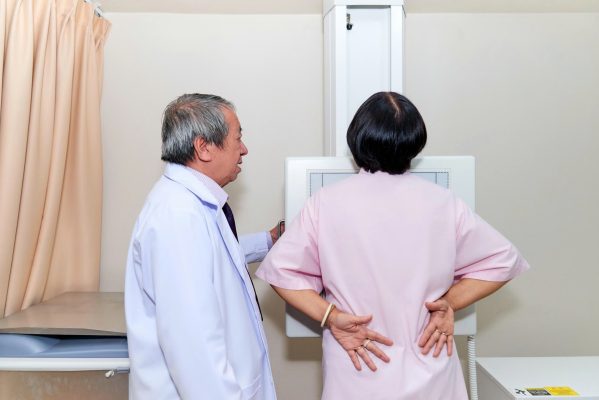
Chest X-ray
According to NICE guidance, routine chest X-rays are not recommended for all patients before surgery. The need for heart or lung investigations should be based on the patient’s medical history, symptoms and the extent of surgery.
Similarly, an echocardiogram or lung function tests are generally only requested when the clinical assessment indicates that further investigation is needed.
Pregnancy Testing
For people of reproductive age, the medical team may ask about the possibility of pregnancy before surgery.
If pregnancy is possible or cannot be ruled out, a pregnancy test may be offered with the patient’s consent, as surgery and anaesthesia require additional consideration during pregnancy.
Does Everyone Having General Anaesthesia Need All of These Tests?
No.
Current preoperative guidance does not recommend the same standard set of tests for every patient.
The tests required depend on factors such as:
- Age and general health
- Medical history
- Current medications and supplements
- Previous surgery and anaesthesia
- The type and complexity of surgery
- Risk of bleeding
- Findings from the pre-anaesthetic assessment
A young, healthy person having a minor procedure may need far fewer tests than an older patient with heart disease or diabetes.

Pre-Anaesthetic Assessment Is Just as Important as the Tests
What Does the Anaesthetist Need to Know?
Before surgery, patients should provide the medical team with complete information about:
- Medical conditions currently being treated
- Current medications
- Anticoagulants or other blood-thinning medicines, if applicable
- Vitamins and supplements
- Known allergies
- Previous surgery and anaesthesia
- Any unusual reactions to anaesthesia in the past
- Heart and lung health
- Smoking, alcohol use or other substances that may affect anaesthesia
This information helps the anaesthetist identify potential risks and develop an appropriate care plan.
Surgery Under General Anaesthesia at Worldwide
Pre-Anaesthetic Assessment Before Treatment
At Worldwide Dental Hospital, patients who are scheduled for surgery under general anaesthesia undergo a preoperative health assessment and pre-anaesthetic consultation before treatment.
The medical team determines which tests and investigations are needed based on the patient’s health, existing medical conditions and the type of surgery planned. This helps identify relevant risk factors and develop an appropriate anaesthetic plan.
Treatment in a Hospital Setting
For complex oral and maxillofacial procedures, such as full-arch implant surgery or extensive bone grafting, sedation or general anaesthesia may be considered when clinically indicated. These options may also be considered when a greater level of comfort and clinical monitoring is required.
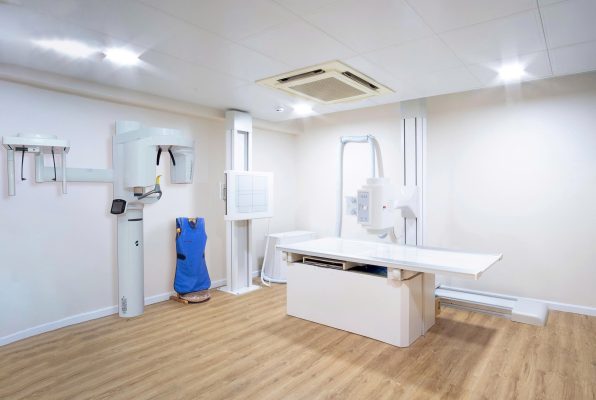
Worldwide Dental Hospital is authorised to provide sedation and general anaesthesia within its approved scope of practice. Treatment is supported by operating theatres, patient-monitoring equipment and a clinical team working together throughout the procedure.
Preoperative assessment, monitoring during surgery and postoperative care form a continuous process aimed at maintaining appropriate safety measures throughout treatment.
Conclusion
Preoperative testing before surgery under general anaesthesia is more than a requirement to complete before the operation. It forms part of the process of assessing individual risk and developing an anaesthetic plan suited to the patient.
A full blood count, clotting tests, blood glucose, liver and kidney function tests, electrolytes, an ECG or other investigations may be recommended depending on the type of surgery, the patient’s age, existing medical conditions and findings from the pre-anaesthetic assessment. Not every patient needs every test.
At Worldwide Dental Hospital, patients who are scheduled for surgery under general anaesthesia undergo a health assessment and pre-anaesthetic consultation before treatment. This helps the medical team identify relevant risk factors in advance and develop an appropriate plan.
If you are preparing for oral or maxillofacial surgery involving sedation or general anaesthesia, make sure your doctor is aware of your medical history, current medications and any other health concerns so that the appropriate preoperative checks can be arranged.