Tiếng Việt


Explore the differences in clinical teams, surgical facilities, anaesthesia and resuscitation services, and patient care.
Dental implants are a modern treatment option for replacing missing teeth, helping improve chewing function and the appearance of your smile. However, implant placement involves surgery on the jawbone and requires accurate diagnosis, careful treatment planning and precise surgical technique.
If you are considering dental implants, you may be wondering whether to have your treatment at a hospital or a dental clinic. Which setting is more suitable, particularly for older patients, those with multiple missing teeth or those with underlying medical conditions?
Both hospitals and dental clinics can provide dental implant treatment, provided they meet the relevant clinical requirements and are licensed to perform the procedures involved. However, they may differ in how their clinical teams are organised, their facilities, surgical capabilities and ability to coordinate patient care.
1. Why Is It Important to Choose the Right Dental Implant Provider?
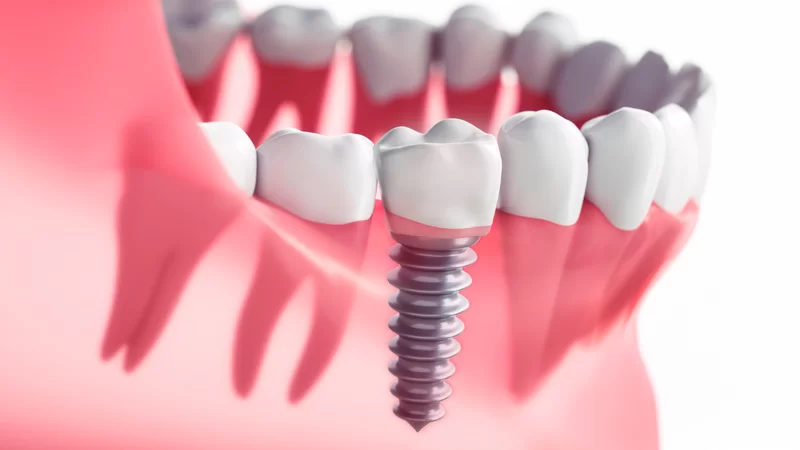
Dental implant treatment involves placing artificial tooth roots in the jawbone. Once ready for restoration, the implants are fitted with crowns or fixed replacement teeth.
The full treatment process includes several stages:
- Dental examination and oral health assessment.
- Diagnostic imaging and assessment of the jawbone.
- Surgical and restorative treatment planning.
- Dental implant placement.
- Monitoring healing and osseointegration (the process by which the implant integrates with the jawbone).
- Placement of the final restoration and regular dental care.
Each stage plays a role in long-term treatment outcomes. Patients with full-arch tooth loss, jawbone loss or underlying medical conditions require particularly careful assessment before surgery.
For this reason, there is more to consider when choosing a dental implant provider than just the implant type and treatment cost. The dentist’s expertise, surgical facilities and availability of follow-up care are also important factors.
2. How Does Dental Implant Treatment at a Hospital Differ from Treatment at a Dental Clinic?
2.1. Clinical Teams and Multidisciplinary Care
The structure of a dental clinic’s clinical team and its ability to coordinate care across specialties may vary depending on the size of the clinic. Many dental clinics have experienced dentists who are qualified to perform both straightforward and complex implant procedures.
Specialist dental hospitals, meanwhile, are often organised into several clinical departments, including oral surgery, prosthodontics, periodontics, diagnostic imaging, and anaesthesia and resuscitation. This structure facilitates collaboration between specialties throughout treatment.
Collaboration between these departments can be particularly important for patients who require multiple procedures as part of their treatment plan or have complex medical conditions.
For example, a patient with cardiovascular disease who needs full-arch implant treatment may require collaboration between the surgical, prosthodontic and anaesthesia teams to assess potential risks, develop a treatment plan and determine the appropriate form of anaesthesia.
2.2. Surgical Facilities and Capabilities
Dental implant surgery must be performed in a setting with appropriate infection control and surgical safety measures.
Dental clinics that meet the relevant requirements can perform implant surgery in procedure rooms with sterile instruments and equipment appropriate for their licensed procedures.
Hospitals with dedicated operating theatres, by comparison, may be able to accommodate procedures that require more specialised surgical equipment, closer monitoring of vital signs and additional support if problems arise during surgery.
This difference may be particularly important to consider for full-arch implant surgery, the placement of multiple implants combined with bone regeneration procedures, or longer surgical procedures requiring closer monitoring.
However, having a dedicated operating theatre does not eliminate the risk of complications. Treatment outcomes still depend on clinical protocols and the expertise of the treating team.
2.3. Sedation and Anaesthesia Services
Most single-tooth implant procedures can be performed under local anaesthesia. However, sedation or general anaesthesia may be considered when clinically indicated, particularly for patients who experience dental anxiety or require lengthy surgery or multiple procedures.
These methods require appropriately trained staff, monitoring equipment and the ability to manage potential complications.
At dental clinics, the availability of sedation and general anaesthesia depends on the clinical team, equipment and procedures the clinic is licensed to perform. If the recommended form of anaesthesia is beyond the clinic’s capabilities, the patient needs to be referred to an appropriate facility.
In comparison, some hospitals have dedicated anaesthesia teams and recovery areas. This can facilitate collaboration between the surgeon and anaesthetist, patient monitoring during surgery and post-anaesthetic care.
However, not everyone undergoing dental implant treatment at a hospital requires sedation or general anaesthesia. The appropriate method depends on the patient’s overall health and the extent of the procedure.
2.4. Assessing Patients with Underlying Medical Conditions
Pre-operative health assessment is an important factor when choosing a dental implant provider, particularly for middle-aged and older patients.
Many people with missing teeth also have medical conditions or other health considerations, including:
- High blood pressure.
- Diabetes.
- Cardiovascular disease.
- Kidney disease.
- Osteoporosis.
- Conditions requiring blood-thinning medication.
These conditions do not necessarily rule out dental implant treatment. However, your dentist will need to consider how well your condition is controlled, the medications you take and any potential risks before surgery.
Dental clinics assess patients’ health and plan treatment within their scope of practice. If further medical assessment is needed or the case is beyond the clinic’s capabilities, the dentist will need to consult with medical specialists or refer the patient to an appropriate facility.
Hospitals with multidisciplinary teams, on the other hand, may find it easier to coordinate medical assessments, specialist consultations and treatment planning, particularly for patients with complex medical conditions.
2.5. Diagnostic and Restorative Technology
Dental implant treatment planning takes into account the condition of the jawbone, the location of anatomical structures and the requirements of the final restoration.
Commonly used technologies include:
- 3D cone beam CT (CBCT): Helps assess bone volume and surrounding anatomical structures.
- Digital impressions: Capture details of the teeth and oral tissues for restoration design.
- Implant planning software: Helps determine the proposed position and angle of each implant.
- CAD/CAM technology: Assists in the design and fabrication of dental restorations.
Depending on their size and investment in technology, dental clinics may carry out diagnostic imaging, implant planning and restoration fabrication in-house or work with external providers.
Hospitals with on-site diagnostic imaging facilities and in-house digital dental laboratories, on the other hand, may find it easier to share data and coordinate care across the diagnostic, surgical and restorative stages of treatment.

3. Comparing Dental Implant Treatment at Hospitals and Dental Clinics
| Factors to Consider | Dental Clinic | Specialist Dental Hospital |
| Clinical teams | Varies by clinic size and team structure | Often has multiple clinical departments |
| Surgical facilities | Procedure rooms suited to licensed procedures | May have dedicated operating theatres and advanced monitoring equipment |
| Sedation and anaesthesia | Depends on staff, equipment and licensing | May have dedicated anaesthesia teams and recovery areas |
| Underlying medical conditions | Medical assessment and referral when needed | May offer easier access to multidisciplinary care |
| Diagnostic and restorative technology | In-house or through external providers | May have integrated imaging and laboratory facilities |
Note: The capabilities of both hospitals and dental clinics vary between providers. It is worth considering what each facility can offer when choosing where to have your treatment.
4. When Might You Consider Having Dental Implants at a Hospital?
Full-Arch Tooth Loss
Full-arch implant treatment generally involves more extensive surgery than single-tooth implant treatment, often requiring the placement of multiple implants and, in some cases, multiple tooth extractions.
For longer or more extensive procedures, access to dedicated operating theatres, patient monitoring facilities and anaesthesia support may be beneficial.
Jawbone Loss Following Long-Term Tooth Loss
If there is not enough bone to support dental implants, your dentist may consider bone grafting, a sinus lift or other bone regeneration procedures.
More complex cases may require specialised surgical facilities and multidisciplinary care.
Underlying Medical Conditions in Older Patients
Patients with high blood pressure, diabetes or cardiovascular disease need a health assessment before implant surgery.
For those with more complex medical conditions, access to multidisciplinary care and appropriate patient monitoring can help support safer treatment planning and delivery.
5. Is Dental Implant Treatment Safer at a Hospital Than at a Dental Clinic?
Dental implant treatment at a hospital is not necessarily safer than treatment at a dental clinic. Safety depends on several factors, including:
- The dentist’s qualifications and experience.
- Appropriate health assessment and treatment planning.
- Surgical facilities and infection control measures.
- The ability to identify and manage complications.
- Post-treatment care and follow-up.
Hospitals with comprehensive clinical services may offer advantages for more complex cases. Ultimately, what matters is the clinical capabilities of the facility and how well they meet your individual treatment needs.
6. What Are the Advantages of Dental Implant Treatment at Worldwide Dental Hospital?
Worldwide Dental Hospital brings together clinical expertise, surgical facilities and digital technology to support patients throughout their implant treatment.
Multidisciplinary Dental Team
Worldwide has more than 30 dentists working across different dental specialties, supporting coordinated care from initial assessment and treatment planning through to surgery and restoration.
Surgical Facilities and Anaesthesia Services
The hospital has dedicated operating theatres, procedure rooms, an anaesthesia and resuscitation team, and facilities for patient monitoring. Sedation and general anaesthesia are available when clinically indicated.
Diagnostic and Restorative Technology
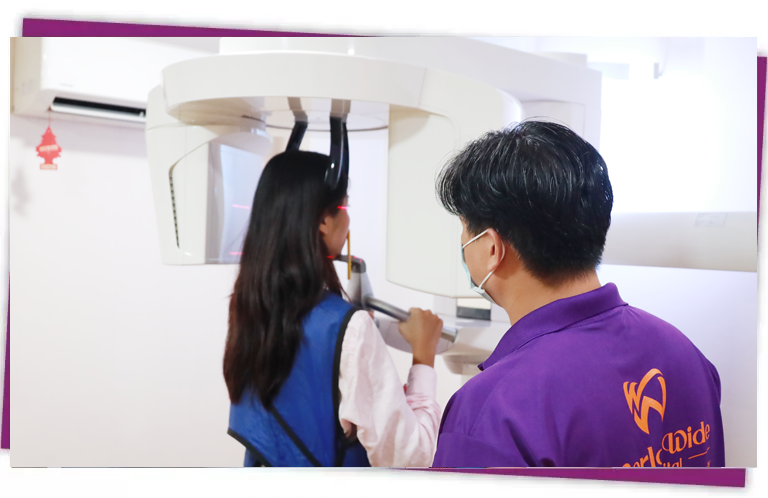
With on-site 3D CBCT imaging and an in-house CAD/CAM dental laboratory, Worldwide can carry out diagnostic imaging, implant planning and restoration fabrication within the same facility.
Post-treatment Care
Patients receive guidance on oral hygiene, medication use and regular follow-up appointments to help maintain implant health and identify potential problems early.
7. Frequently Asked Questions
Do I Need to Go to a Hospital for a Single Dental Implant?
Not necessarily. If your overall health and jawbone condition are suitable for implant treatment, a single dental implant can be placed at a dental facility that meets the relevant clinical requirements.
Will I Need to Stay in Hospital for Dental Implant Treatment?
Most straightforward implant procedures can be performed without a hospital stay. If you need more complex surgery or additional monitoring, your dentist will determine how long you need to stay.
Are Dental Implants More Expensive at a Hospital Than at a Dental Clinic?
There is no standard price difference between hospitals and dental clinics. Implant treatment costs depend on the number and type of implants, the condition of your jawbone, the procedures required and the restorative materials used.
Conclusion
Both hospitals and dental clinics can provide dental implant treatment. The right choice depends on your oral health, overall health, the complexity of your treatment and the clinical capabilities of the facility.
For more complex cases, access to multidisciplinary care, specialised surgical facilities and anaesthesia support may be particularly valuable.
At Worldwide Dental Hospital, our dentists assess your oral health and jawbone condition to develop an implant treatment plan suited to your individual needs, health and circumstances.
If you are considering dental implants, book a consultation with us to explore treatment options that suit your individual needs and support your long-term oral health.