Tiếng Việt


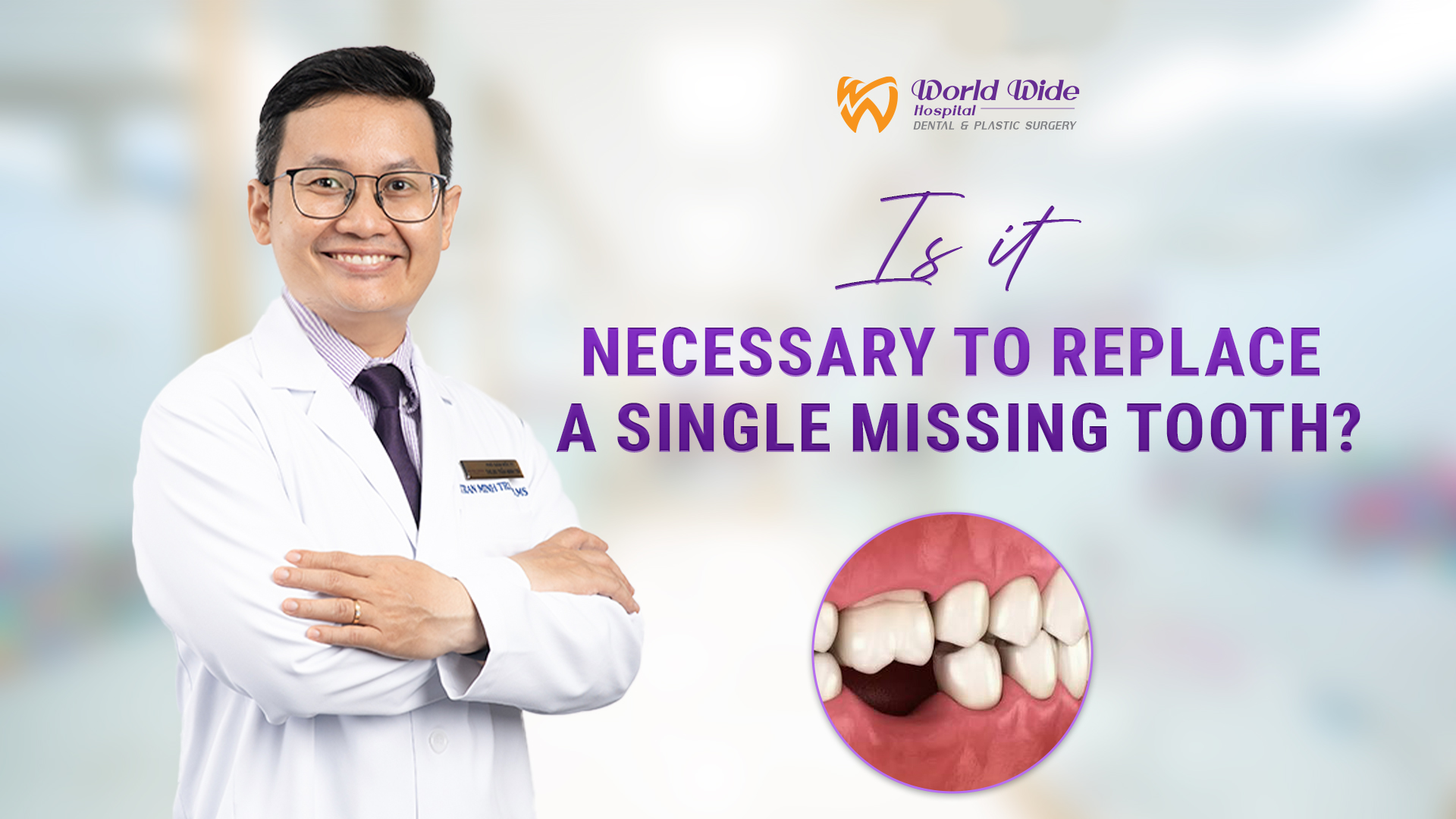
A missing tooth may affect your jawbone, neighbouring teeth and ability to chew. Learn about the possible consequences, when to consider replacement and the treatment options available.
Losing a single tooth, particularly a back molar, may not cause any immediate discomfort. You might still be able to eat normally and experience no pain, making it easy to assume that replacing the tooth is unnecessary.
However, losing a tooth does more than leave a gap in your smile. Over time, the missing tooth may affect the surrounding teeth, jawbone, bite and chewing function.
What is worth noting is that many of these changes happen gradually, without causing pain or obvious symptoms at first. By the time you notice teeth shifting out of position, food regularly getting trapped between your teeth or difficulty chewing, replacing the missing tooth may have become more complicated.
So, what happens if you leave a missing tooth untreated? And is a dental implant always necessary?
1. What Happens If You Don’t Replace a Missing Tooth?
Your natural teeth work together to help you bite and chew while maintaining a stable bite. When one tooth is lost, this balance may gradually change.
The extent of these changes depends on several factors, including:
- The position of the missing tooth and how long it has been missing.
- The condition of the neighbouring teeth.
- How your upper and lower teeth meet when you bite.
- The health of your gums and the tissues supporting your teeth.
- The condition of your jawbone.
- Your usual chewing habits.
These factors help explain why the effects of losing a tooth can vary considerably from person to person.
2. What Are the Long-Term Effects of a Missing Tooth?
2.1. Jawbone Loss Around the Missing Tooth
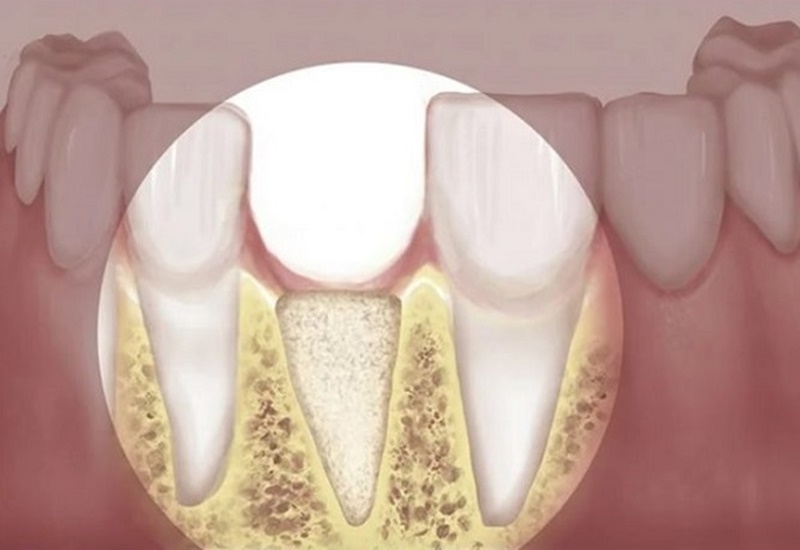
One of the most significant changes following tooth loss occurs in the jawbone.
The bone surrounding a natural tooth helps support its roots and is maintained partly through the tissues and forces associated with normal tooth function.
When a tooth is removed, the bone that previously supported it begins to change shape. This natural process, known as bone remodelling, often results in a reduction in the height or width of the jawbone at the site of the missing tooth.
If too much bone has been lost, there may not be enough height or width to place a dental implant without additional treatment.
2.2. Neighbouring Teeth May Shift Into the Gap
Your teeth help maintain each other’s position within the dental arch, together with the surrounding supporting tissues.
When a tooth is lost, the teeth on either side may gradually tilt or move towards the empty space.
As these teeth shift, the gap may become narrower, and the way your upper and lower teeth meet can change. This may also leave insufficient space for a replacement tooth.
2.3. The Opposing Tooth May Move Out of Position
A tooth in the opposite jaw may also begin to move towards the empty space when it no longer makes contact with the tooth it previously bit against.
For example, if you lose a lower molar, the corresponding upper molar may gradually move downwards into the gap.
This can change how your teeth meet and reduce the space available for a replacement tooth.
2.4. Chewing May Become Less Effective
Different teeth play different roles in helping you eat. Your front teeth are primarily used for biting into food, while your back teeth help break it down through chewing and grinding.
When a molar is missing, you may find yourself chewing more frequently on the opposite side because it feels easier or more comfortable. Over time, this habit can change how chewing forces are distributed between the two sides of your mouth.
The effects may be more noticeable in middle-aged and older adults, particularly when the remaining teeth are already worn, have crowns or other restorations, or have reduced support due to gum disease. In these situations, losing even one additional tooth may make chewing more difficult.
2.5. Food May Become Trapped More Easily
When neighbouring teeth begin to tilt or shift, the points where they meet other teeth may also change. This can create spaces where food becomes trapped and make certain areas more difficult to clean with a toothbrush or dental floss.
If plaque is allowed to build up in these areas, the risk of tooth decay, gum inflammation and gum disease may increase.
2.6. Changes to Your Smile and Appearance
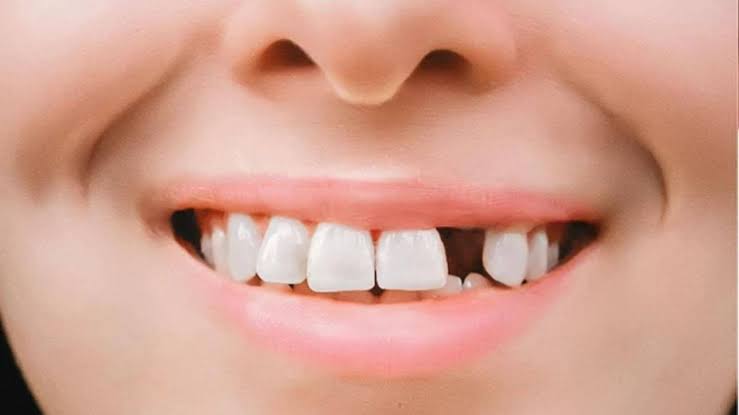
Losing a front tooth, or another tooth visible when you smile, can have an immediate impact on your appearance and confidence.
While losing a back molar may be less noticeable, the aesthetic effects of tooth loss are not limited to the visible gap. When several teeth are missing, particularly if significant jawbone loss has occurred, changes in the support of the lips and cheeks may also affect facial appearance.
3. How Soon Does Jawbone Loss Begin After Losing a Tooth?
Changes in the jawbone begin relatively soon after a tooth is extracted.
The greatest reductions in bone height and width generally occur during the first few months, although changes may continue over time. How much bone is lost, and how quickly, varies from person to person.
Several factors can influence this process:
- The location of the missing tooth.
- The condition of the jawbone before extraction.
- The reason the tooth was lost.
- Whether infection or gum disease was present.
- How well the extraction site heals.
If you have recently had a tooth removed or are planning an extraction, it is worth discussing your replacement options with your dentist early to help minimise potential difficulties with future treatment.
4. Do You Always Need a Dental Implant for a Missing Tooth?
No. The most appropriate approach depends on the location of the missing tooth, your ability to chew, your bite, the condition of your remaining teeth and your individual needs.
Depending on your oral health and circumstances, your dentist may recommend replacing the missing tooth or monitoring the area without immediate treatment.
If a replacement is appropriate, there are three common options.
4.1. Dental Implants
A dental implant is an artificial tooth root placed into the jawbone to provide support for a replacement tooth.
Once the implant is ready for restoration, a crown is attached to restore the appearance and chewing function of the missing tooth.
Dental implants offer several advantages:
- Replace a missing tooth without relying on neighbouring teeth for support or requiring them to be reshaped, unlike a conventional dental bridge.
- Can help maintain the bone surrounding the implant, although bone changes may still occur over time.
However, as dental implant treatment involves surgery, it is important for your dentist to assess your general health, jawbone condition and any potential risk factors before proceeding.
4.2. Dental Bridges
A conventional dental bridge replaces a missing tooth by using the teeth on either side of the gap to support an artificial tooth. It can restore the appearance of your smile and improve chewing without the need for an implant.
However, this approach usually requires the supporting teeth to be reshaped so that crowns can be fitted over them. As a bridge does not replace the natural tooth root, bone loss at the site of the missing tooth may continue over time.
4.3. Removable Partial Dentures
A removable partial denture is another option for replacing missing teeth, particularly if you prefer a non-surgical or more affordable approach.
Partial dentures can replace one or more missing teeth and generally have a lower initial cost than fixed alternatives.
However, they may take some time to get used to and may offer less stability and chewing efficiency than dental implants or bridges.
5. Comparing Your Options for Replacing a Missing Tooth
| Feature | Dental Implant | Conventional Dental Bridge | Removable Denture |
| Fixed or removable | Fixed | Fixed | Removable |
| Surgery required | Yes | Generally no | No |
| Reshaping of neighbouring teeth | Usually not required | Usually required | Usually less extensive, if needed |
| Chewing function | Good with successful treatment | Good when appropriately designed | May be more limited |
| Support at the missing tooth site | Supported by an implant in the jawbone | Supported by neighbouring teeth | Supported by the gums and, in some cases, remaining teeth |
| Maintenance | Regular check-ups of the implant and restoration | Regular checks of the supporting teeth and bridge | Regular checks and adjustments as needed |
Each treatment option has its own indications. The most suitable approach should be determined through a dental examination, rather than based on cost or durability alone.
6. Can You Get a Dental Implant Years After Losing a Tooth?
Yes, in many cases. However, your dentist will need to carefully assess the condition of your jawbone and surrounding teeth before recommending treatment.
Some people retain enough healthy bone for implant placement even after many years. Others may have experienced changes that make treatment more challenging, such as:
- Insufficient bone height or width to support an implant.
- Neighbouring teeth that have shifted into the gap.
- Reduced space between the upper and lower teeth for a replacement crown.
When replacing missing upper back teeth, your dentist will also need to consider the position of the maxillary sinus, an air-filled space located above the upper back teeth.
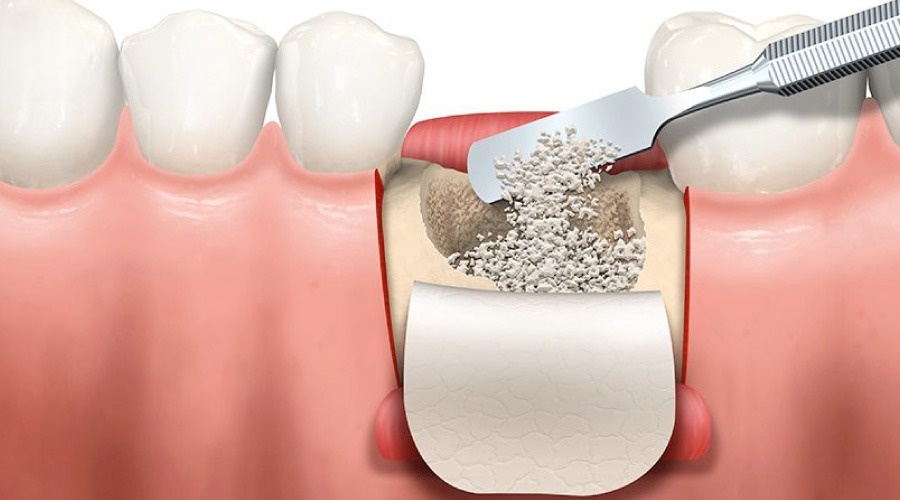
Depending on your individual circumstances, treatment may involve bone grafting, a sinus lift to increase the available bone height, correcting the position of neighbouring teeth or considering another type of tooth replacement.
This is why implant planning involves more than simply checking the gap where the tooth used to be. A thorough assessment helps determine the most suitable treatment approach.
7. When Should You See a Dentist About a Missing Tooth?
You do not need to wait for noticeable symptoms before having a missing permanent tooth assessed. However, a dental examination is particularly important if you notice any of the following:
- Neighbouring teeth beginning to shift or tilt.
- Food frequently getting trapped around the missing tooth.
- Difficulty chewing evenly on both sides.
- An opposing tooth moving further into the gap.
- Noticeable changes in the shape of the gum at the missing tooth site.
- Changes in the way your upper and lower teeth fit together.
An early examination allows your dentist to assess your oral health and advise whether tooth replacement is needed and when treatment may be most appropriate.
8. Replacing Missing Teeth With Dental Implants at Worldwide
Comprehensive Assessment Before Implant Treatment
At Worldwide Dental Hospital, our dental team carefully assesses your remaining teeth, gums, bite and jawbone before recommending a treatment plan.
Where appropriate, 3D cone beam CT (CBCT) imaging provides detailed views of the jawbone and surrounding structures, helping our dentists plan implant placement with greater precision.
Based on these findings, your dentist will determine whether an implant can be placed without additional procedures or whether further treatment or another tooth replacement option may be more suitable.
Professional Dental Team and Hospital-Based Facilities
With a dedicated dental team, operating theatres and surgical support equipment, Worldwide Dental Hospital provides implant treatment for individual missing teeth as well as more extensive tooth loss.
Our hospital-based approach also places emphasis on careful health assessments and personalised treatment planning, particularly for older patients or those with underlying medical conditions.
Personalised Restorations with Our In-House CAD/CAM Laboratory
Implant restorations are designed to suit the position of the implants, your bite and the natural characteristics of your teeth.
At Worldwide Dental Hospital, our in-house CAD/CAM laboratory supports the design and production of custom-made restorations, with the aim of restoring a natural appearance and comfortable function within your overall bite.
9. Frequently Asked Questions About Missing Teeth
Do I Need to Replace a Missing Molar?
It is worth having a missing permanent molar assessed, as molars play an important role in chewing and maintaining a stable bite. However, whether replacement is necessary depends on which tooth is missing and your overall dental condition.
Can Losing One Tooth Affect My Bite?
Losing one tooth may cause neighbouring teeth to tilt or shift, while the opposing tooth may gradually move towards the gap. The extent of these changes varies, and they do not necessarily lead to significant bite problems.
Can I Get a Dental Implant if My Tooth Has Been Missing for 10 Years?
Yes, it may still be possible, depending on your general health and jawbone condition. Your dentist will need to assess the available bone, space for the restoration and surrounding teeth before recommending treatment.
Do Dental Implants Completely Prevent Jawbone Loss?
No. Dental implants may help maintain the surrounding bone through functional loading, but they cannot completely prevent bone loss or other changes in the jawbone over time.
Conclusion
When a missing tooth is not replaced, it may contribute to gradual changes in your oral health, including jawbone loss, shifting teeth, changes in your bite and reduced chewing function.
However, not every missing tooth needs to be replaced, and dental implants are not always the most suitable option. The right approach depends on your oral health, general health and individual needs.
If you have one or more missing teeth, you can arrange a consultation at Worldwide Dental Hospital. Our dental team can assess your jawbone, remaining teeth and bite, explain your options and help you make an informed decision about your treatment.