Tiếng Việt

When might sedation be considered for dental treatment? Learn how sedation can help reduce anxiety and improve comfort, and when a dentist may recommend it.
“Will dental implants hurt?” “I’m very anxious about dental treatment – is there a way to make it more comfortable?” “Can I be asleep while the dentist works?”
These are common questions, particularly for people preparing for lengthy dental treatment or those who have had an unpleasant dental experience in the past.
In addition to local anaesthesia, sedation may be considered for some patients to reduce anxiety and help them feel more relaxed during treatment.
However, “pain-free dentistry” is not simply a matter of using more medication. A comfortable and well-managed treatment experience also depends on appropriate diagnosis, pain control, monitoring, anaesthetic care where needed, and a suitably equipped clinical setting.
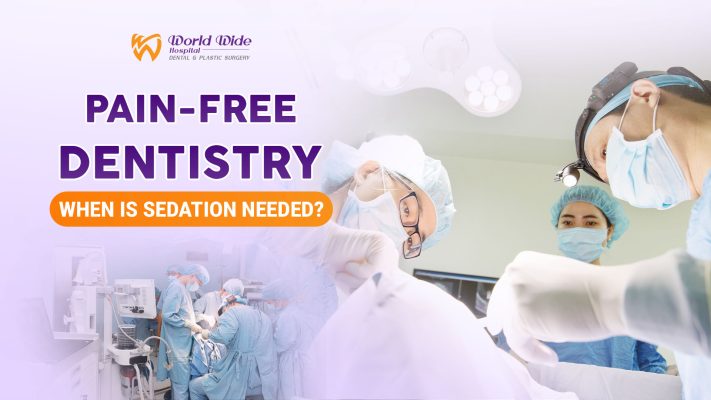
What Is Sedation in Dentistry?
Sedation Can Help You Feel More Relaxed During Treatment
Dental sedation involves using medication, when clinically indicated, to reduce anxiety and help patients feel more relaxed during treatment.
Depending on the level of sedation, you may feel drowsy or less aware of what is happening around you. People respond differently to sedative medicines, so careful assessment and monitoring are needed throughout the procedure.
Sedation Does Not Replace Local Anaesthesia
This is an important distinction.
Local anaesthesia controls pain in the area being treated, while sedation is primarily used to reduce anxiety and promote relaxation.
The two are often used together: local anaesthesia manages pain at the treatment site, while sedation can make the overall experience more comfortable.
When Might Sedation Be Considered for Dental Treatment?
Significant Dental Anxiety
For some people, the sound of dental equipment, the sight of instruments or simply sitting in the dental chair can cause considerable anxiety.
This may be related to a previous negative experience, although some people experience longstanding dental anxiety without a clear cause.
If anxiety makes it difficult to undergo treatment while fully awake, the dentist may consider sedation after assessing the patient’s health and individual circumstances.
Multiple Dental Implants or Full-Arch Implant Surgery
A single dental implant is very different from a full-arch procedure in both the extent and duration of treatment.
For patients having multiple implants, full-arch treatment or several procedures in one appointment, sedation may be considered to help them remain more relaxed during treatment.
This may be particularly helpful for older patients or anyone who finds it difficult or stressful to spend a long time in the dental chair.
Bone Grafting, Sinus Lifts or More Complex Surgery
Some implant cases may involve additional procedures, such as:
- Bone grafting
- Sinus lift surgery
- Multiple tooth extractions
- Placement of multiple implants
- Complex bone reconstruction
- Several procedures performed as part of the same treatment plan
For more extensive treatment, the clinical team will assess the overall case and determine a suitable approach to pain management and sedation.
A Strong Gag Reflex
Some people have a particularly sensitive gag reflex when dental instruments are placed in the mouth, making treatment more difficult.
In suitable cases, sedation may help the patient relax and tolerate the procedure more comfortably.
Long Procedures or Several Treatments in One Appointment
Patients travelling from overseas or long distances may sometimes have several procedures scheduled during the same appointment because their time at the destination is limited.
If surgery is expected to take a long time, sedation may be considered depending on the patient’s health and the nature of the procedure.
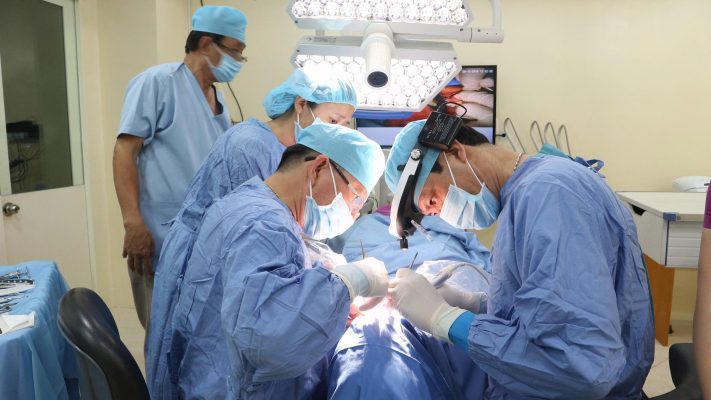
Does Sedation Mean “Going to Sleep and Waking Up When It’s All Over”?
This description is sometimes used in dental advertising, but it can be misleading.
How aware you are during treatment depends on the level of sedation and the medicines used. Not all forms of sedation cause complete loss of consciousness.
More important than whether you feel “asleep” is whether the level of sedation is suitable for your health and the procedure being performed, with appropriate monitoring throughout treatment.
Sedation should therefore not be viewed simply as a way to remain unaware of what is happening. It is a medical intervention that requires a clinical indication, appropriate assessment and professional monitoring.
How Is Sedation Different from General Anaesthesia?
| Aspect | Sedation | General anaesthesia |
|---|---|---|
| Purpose | Reduce anxiety and promote relaxation | Produce a controlled state of unconsciousness |
| Level of consciousness | Varies depending on the depth of sedation | Unconscious |
| Local anaesthesia | May still be used | Depends on the anaesthetic and surgical plan |
| When used | Depends on anxiety, the procedure and the patient’s health | When general anaesthesia is clinically indicated |
| Monitoring | Depends on the depth of sedation | Close anaesthetic monitoring and care |
The choice between local anaesthesia alone, sedation and general anaesthesia should be based on the procedure and the individual patient’s health, rather than simply on a preference to “feel nothing”.
Does Everyone Who Is Afraid of Pain Need Sedation?
No.
Many dental procedures can be managed effectively with local anaesthesia alone.
Before recommending sedation, the dentist or treating team may consider:
- The patient’s level of anxiety
- The type of procedure
- Expected treatment time
- How invasive the procedure is
- Age and general health
- Existing medical conditions
- Current medications
- History of allergies
- Previous experiences with sedation or general anaesthesia
The aim is not to use the deepest possible level of sedation, but to choose an approach suited to the individual patient, the procedure and their clinical needs.
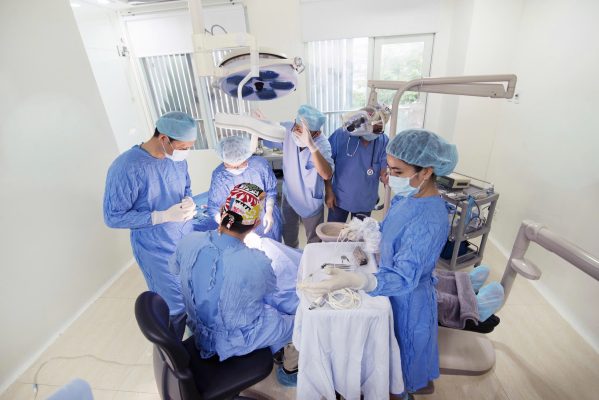
Why Does Sedation Need an Appropriate Clinical Setting?
Assessment Before Sedation
Before sedation, the clinical team will review the patient’s medical history, existing health conditions, current medications, allergies and any other factors that could affect sedation.
Depending on the individual case, additional tests or investigations may also be needed.
Monitoring Throughout Treatment
Monitoring is an essential part of care when sedative medication is used.
The level of monitoring required depends on the depth of sedation. Vital signs are monitored during the procedure, and the patient continues to be observed during recovery until they are considered ready to leave.
Sedation is therefore more than simply a way to make dental treatment less daunting. It requires appropriate clinical expertise, monitoring, equipment and facilities.
“Pain-Free Dentistry” Is About More Than Sedation
Appropriate Pain Control From the Start
Sedation is only one part of this approach. Several factors contribute to a comfortable dental experience.
Local anaesthetic technique, surgical technique, soft-tissue management, aftercare and post-treatment medication can all influence how a patient experiences treatment.
Accurate Treatment Planning Can Help Avoid Unnecessary Intervention
Adequate diagnostic information and a clear treatment plan allow surgery to be planned more thoroughly in advance.
For implant treatment, 3D cone beam CT imaging and other planning technologies can help the dentist assess bone anatomy, important anatomical structures and the proposed implant position before surgery.
The aim is to provide only the treatment that is needed, manage pain appropriately and support the patient throughout their care.
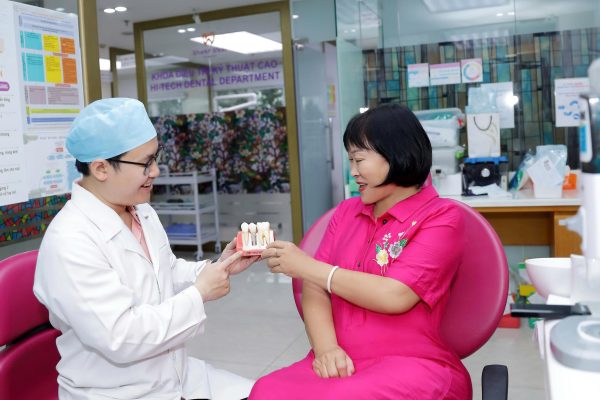
Sedation at Worldwide Dental Hospital
Treatment in a Hospital Setting
At Worldwide Dental Hospital, patients who may need or request sedation are assessed beforehand to determine an approach suited to their health and planned treatment.
The hospital is authorised to provide sedation and general anaesthesia within its approved scope of practice, with operating theatre facilities, patient-monitoring equipment and a multidisciplinary clinical team involved in care.
These facilities may be relevant for procedures such as full-arch implant surgery, extensive bone grafting, sinus lifts, or complex oral and maxillofacial surgery requiring a longer operating time.
From Dental Anxiety to a More Manageable Treatment Experience
For people who have postponed dental care because of fear of pain, appropriate anxiety management may make treatment easier to undergo.
However, sedation is not the default option for every patient at Worldwide Dental Hospital. The clinical team will consider the patient’s health, level of anxiety and planned treatment before deciding whether sedation is suitable.
The aim of “pain-free dentistry” is not to use more medication than necessary, but to choose an approach that allows treatment to be carried out as comfortably and safely as possible for each patient.
Conclusion
Sedation may be an option for people with significant dental anxiety, difficulty tolerating treatment or a strong gag reflex, as well as those undergoing lengthy or complex implant, oral or maxillofacial procedures.
However, not everyone having dental treatment needs sedation.
The choice between local anaesthesia, sedation and general anaesthesia should be based on the patient’s health, the extent of the procedure and clinical assessment.
At Worldwide Dental Hospital, patients are assessed and a pain-management plan is developed before treatment. Where sedation or general anaesthesia is indicated, treatment is carried out in a hospital setting with appropriate monitoring and coordinated clinical support.
If fear of pain has caused you to delay dental treatment, mention this during your consultation. The clinical team can assess your situation and discuss suitable options for managing anxiety and discomfort during treatment.