Tiếng Việt

Concerned about pain during dental implant treatment? Learn how sedation and general anaesthesia can help make implant procedures more comfortable and discover the advantages of receiving treatment at Worldwide Dental Hospital.
For patients who have lost all their teeth, require multiple dental implants, bone grafting, or full-arch rehabilitation with solutions such as All-on-X, treatment is often more complex and time-consuming than replacing a single missing tooth. It is therefore understandable that many people feel anxious when surgery is involved.
Today, advances in implant dentistry have transformed the treatment experience. When clinically appropriate, your dentist may recommend sedation or general anaesthesia to help you remain comfortable throughout the procedure while supporting a safe and efficient surgical process.
Why Are So Many People Afraid of Dental Implant Surgery?
Fear of Pain Often Leads to Delayed Treatment
Many people continue living with missing teeth for years simply because they are afraid of pain or feel anxious about undergoing surgery.
For patients requiring full-arch implants, bone grafting, or sinus lift procedures, treatment is generally more extensive and may involve several surgical techniques. As a result, many assume the procedure will be painful and physically demanding.
However, delaying treatment can lead to continued jawbone resorption, making future rehabilitation more complex, more invasive, and potentially more costly.
Modern Implant Treatment Is More Comfortable Than Many People Think
Pain management is an essential part of every implant procedure. In straightforward cases, local anaesthesia is usually sufficient to keep patients comfortable throughout treatment.
For more complex implant surgeries or procedures that may last several hours, sedation or general anaesthesia may be considered when clinically indicated. These approaches help reduce anxiety, minimise fatigue, and provide a significantly more comfortable treatment experience.
What Is the Role of Sedation and General Anaesthesia in Dental Implant Treatment?
Sedation and General Anaesthesia Involve More Than Simply “Putting Patients to Sleep”
Many people believe sedation or general anaesthesia simply means sleeping during treatment. In reality, these are advanced medical techniques designed to help manage a patient’s condition safely throughout surgery.
The most appropriate approach depends on the patient’s overall health, the complexity of the procedure, and the personalised treatment plan. The primary goal is to maximise patient safety while creating the best possible conditions for the surgical team.
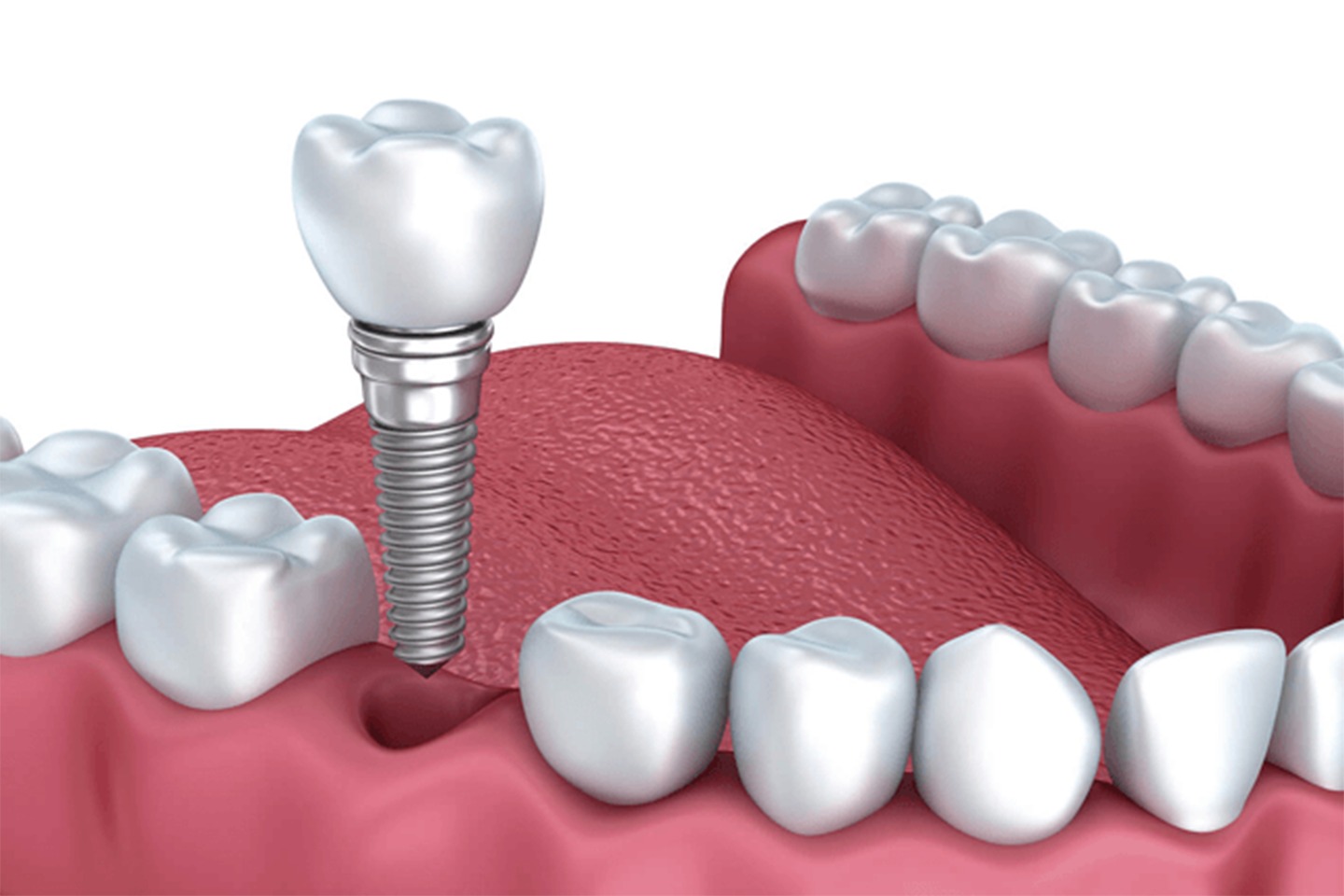
Who May Benefit from Sedation or General Anaesthesia?
Depending on the clinical situation, sedation or general anaesthesia may be recommended for patients who:
- Require full-arch dental implant rehabilitation involving multiple implants.
- Undergo All-on-X treatment or other complex implant procedures.
- Need bone grafting, sinus lift surgery, or several surgical procedures during the same appointment.
- Experience severe dental anxiety, fear of pain, or have difficulty remaining comfortable during lengthy procedures.
The decision is always based on a comprehensive assessment of each patient’s oral health, medical history, and treatment requirements.
Benefits of Sedation and General Anaesthesia
When appropriately indicated, sedation or general anaesthesia can offer several important benefits:
- Helps patients feel calmer and more relaxed throughout treatment.
- Reduces physical fatigue during lengthy surgical procedures.
- Creates a more comfortable treatment experience.
- Allows the surgical team to perform complex procedures with greater precision and efficiency.
| Criteria | Sedation | General Anaesthesia |
| Purpose | Helps patients relax and reduces anxiety | Places the patient in a medically controlled unconscious state |
| Level of consciousness | Patients may remain responsive depending on the level of sedation | Patients remain unconscious throughout the procedure |
| Typical indications | Longer procedures and patients with dental anxiety | Complex surgical procedures when clinically indicated |
| Monitoring | Monitored by an anaesthesiologist | Continuously monitored by an anaesthesiologist throughout the procedure |
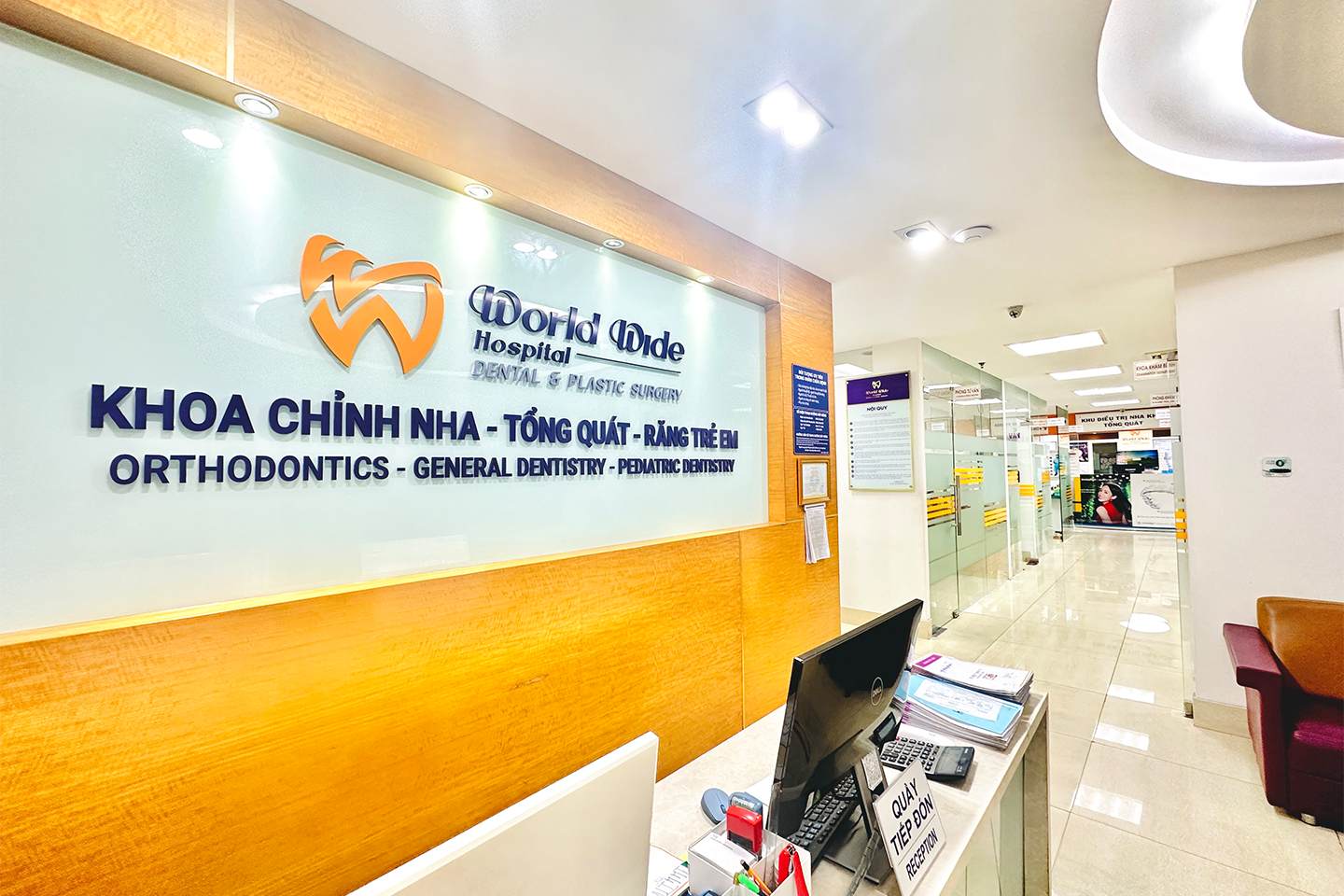
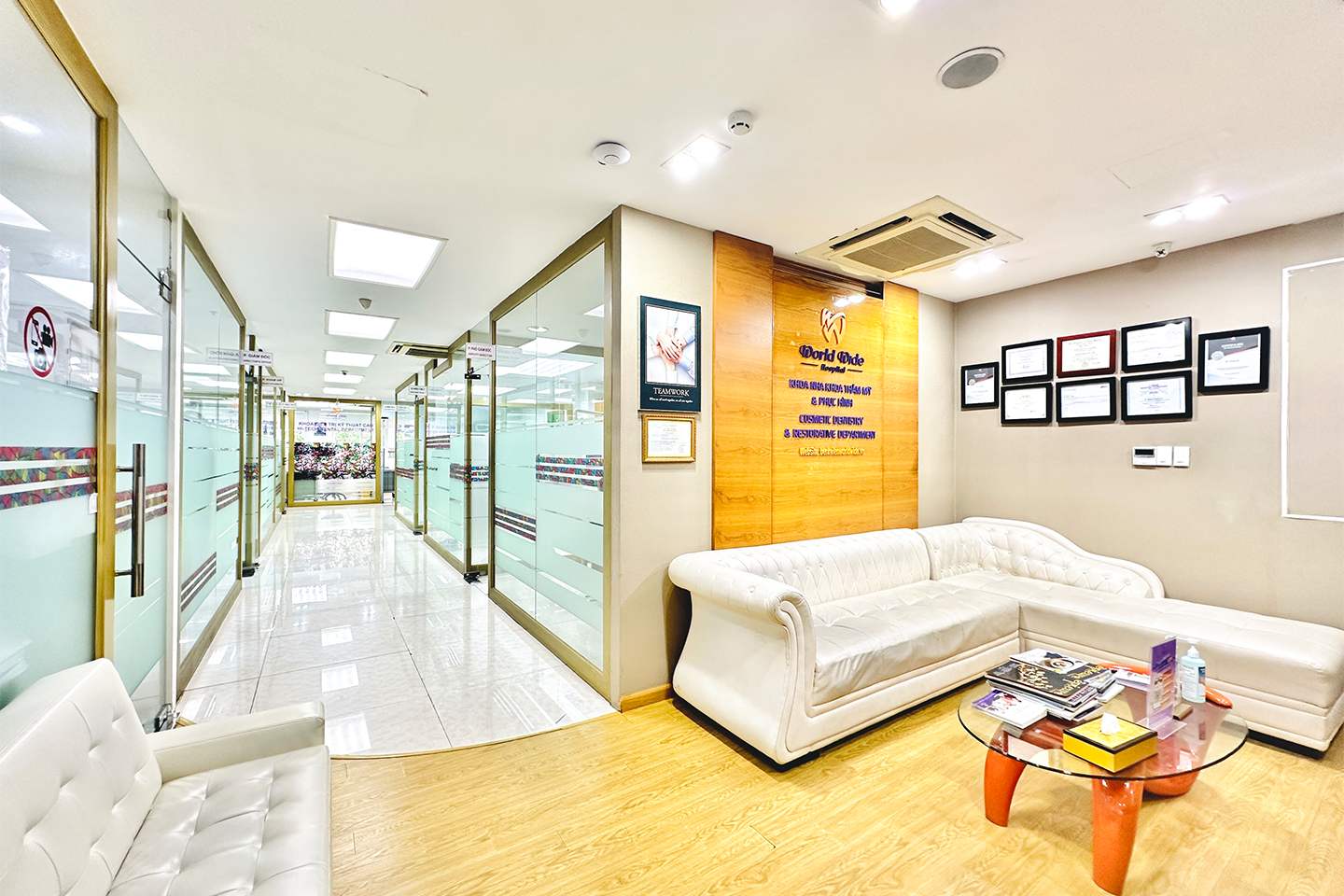
Why Should Sedation and General Anaesthesia Only Be Performed in a Properly Equipped Hospital?
Sedation and General Anaesthesia Require a Comprehensive Medical Support System
Sedation and general anaesthesia are not standalone procedures. They are part of a sophisticated medical process that requires specialised expertise, advanced equipment, and well-established safety protocols.
To ensure patient safety, the treatment facility should have:
- Approval from the relevant health authority to provide sedation and general anaesthesia within its authorised scope of practice.
- A qualified anaesthesiologist who evaluates the patient before treatment and monitors them continuously throughout the procedure.
- Advanced monitoring systems for heart rate, blood pressure, oxygen saturation (SpO₂), respiration, and other vital signs.
- Emergency medications, resuscitation equipment, and established protocols for managing unexpected situations.
- Dedicated operating theatres and post-operative recovery facilities.
For this reason, patients should look beyond whether sedation or general anaesthesia is available and consider whether the facility has the appropriate medical infrastructure, qualified professionals, and clinical standards to perform these techniques safely.
The Advantages of Receiving Implant Treatment at Worldwide Dental Hospital
As a specialised dental hospital, Worldwide Dental Hospital is authorised by the Ministry of Health to provide sedation and general anaesthesia within its approved professional scope. The hospital is fully equipped to manage implant procedures ranging from routine single-tooth replacement to complex full-arch rehabilitation.
Patients also benefit from:
- Hospital-standard operating theatres designed for advanced surgical procedures.
- Close collaboration between implant surgeons and anaesthesiologists whenever sedation or general anaesthesia is indicated.
- Digital implant planning technology that improves precision while minimising surgical trauma.
- Comprehensive patient care protocols before, during, and after treatment to maximise safety.
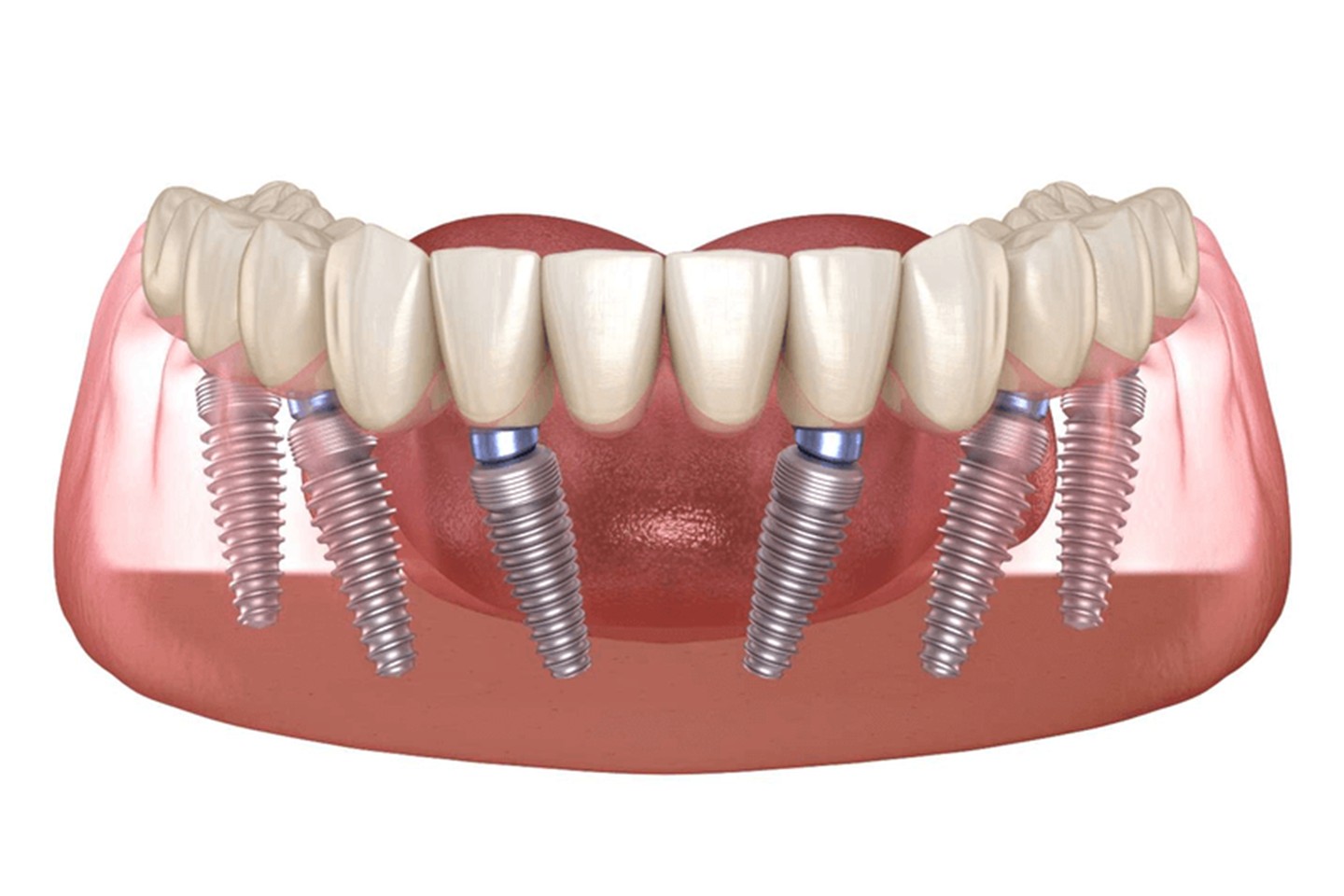
Safe Implant Treatment Is About More Than Simply Placing an Implant
Successful Implant Treatment Requires an Entire Clinical System Working Together
The long-term success of full-arch dental implant rehabilitation depends on far more than the surgical placement of implants.
It is the result of a carefully coordinated treatment process involving multiple clinical and technological factors, including:
- A comprehensive, personalised treatment plan.
- Close collaboration between implant specialists and anaesthesiologists when clinically indicated.
- Hospital-standard operating theatres supported by strict patient safety protocols.
- Advanced digital technologies for diagnosis, treatment planning, and implant placement.
- Structured post-operative monitoring and long-term maintenance.
When these elements work together seamlessly, they contribute to a safer procedure, a more comfortable patient experience, and long-lasting treatment outcomes.
Supporting Patients Beyond Surgery
Dental implant treatment does not end when the surgical procedure is completed.
Regular follow-up appointments and professional maintenance play an essential role in preserving implant health and ensuring long-term success.
At Worldwide Dental Hospital, every patient’s implant information—including implant specifications, restorative materials, and treatment history—is securely documented through the Worldwide Implant Passport. This digital record allows patients and clinicians to conveniently access important treatment information for future maintenance and continuing care, even if patients relocate or travel internationally.
Conclusion
Feeling anxious about pain during implant treatment is completely understandable. However, it should never become the reason for delaying the restoration of your oral health and quality of life.
For patients undergoing full-arch implant rehabilitation or other complex implant procedures, sedation or general anaesthesia, when clinically indicated, can make treatment significantly more comfortable. More importantly, these techniques should only be performed in hospitals that have the appropriate medical expertise, specialised personnel, and comprehensive safety systems.
At Worldwide Dental Hospital, implant treatment is delivered within a specialised hospital environment where implant surgeons work alongside anaesthesiologists, supported by hospital-standard operating theatres and comprehensive care protocols before, during, and after treatment.
If you have been postponing implant treatment because of concerns about pain—or require full-arch rehabilitation—schedule a consultation with Worldwide Dental Hospital. Our clinical team will thoroughly assess your oral condition and recommend a personalised treatment plan designed to prioritise both your safety and comfort.
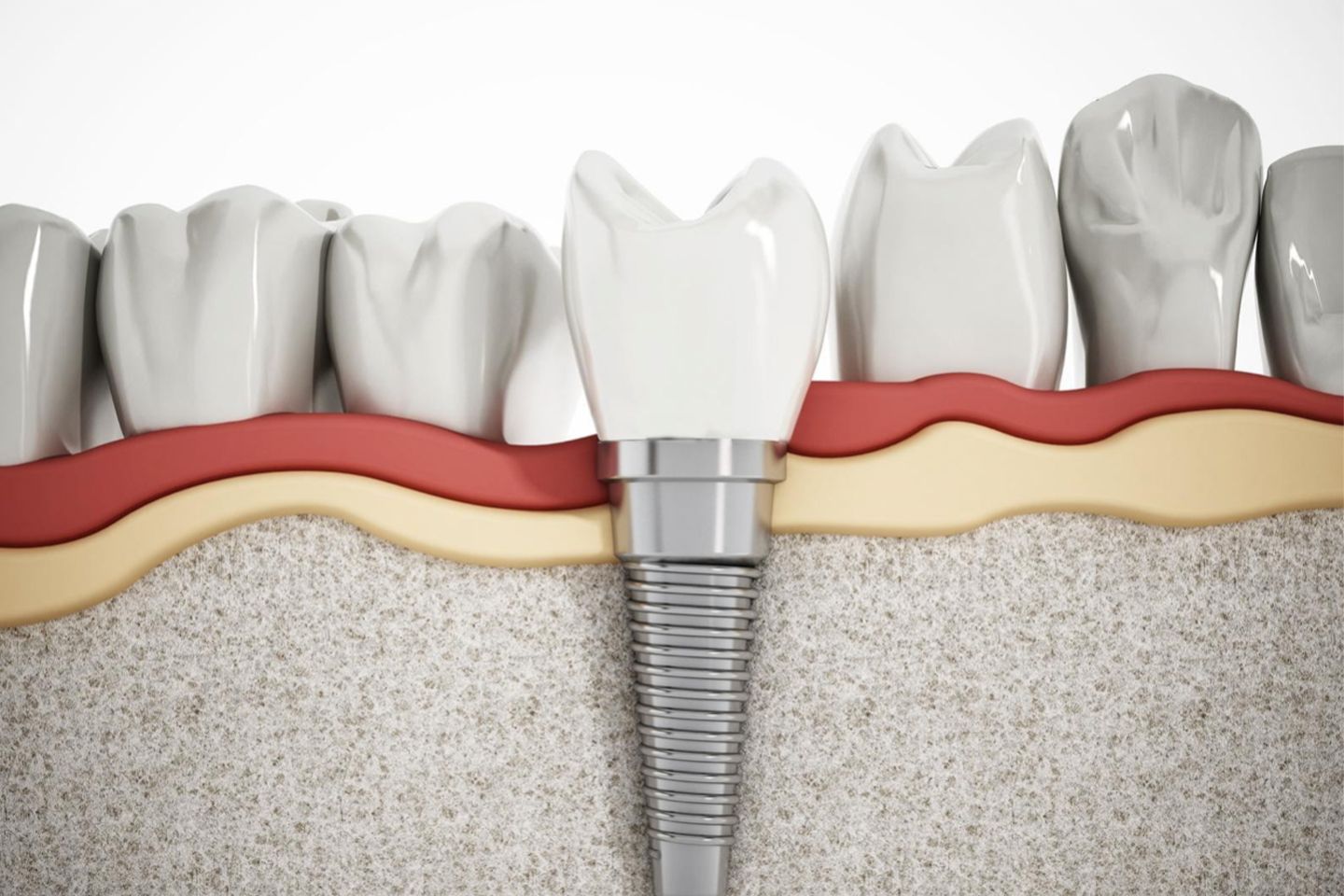
Frequently Asked Questions About Sedation and General Anaesthesia for Dental Implants
Are Sedation and General Anaesthesia the Same?
No. Sedation and general anaesthesia are different methods of patient management that vary in their effects on consciousness and physiological function.
The most appropriate option is determined based on your medical condition, the complexity of the procedure, and your personalised treatment plan to ensure both safety and comfort throughout treatment.
Is Sedation or General Anaesthesia Required for Every Dental Implant Procedure?
No.
Most single dental implant procedures can be comfortably performed using local anaesthesia alone.
Sedation or general anaesthesia is generally considered for patients requiring full-arch implant rehabilitation, multiple implant placements, bone grafting, sinus lift procedures, or other lengthy and complex surgical treatments.
Is Sedation or General Anaesthesia Safe During Dental Implant Surgery?
When clinically indicated and performed in a facility equipped with the appropriate medical expertise and infrastructure, both sedation and general anaesthesia are considered safe.
Before treatment, patients undergo a comprehensive medical assessment to determine the most appropriate approach. Throughout the procedure, a qualified anaesthesiologist continuously monitors the patient’s vital signs to help ensure safety at every stage of treatment.
Why Should Sedation or General Anaesthesia Be Performed in a Hospital?
Sedation and general anaesthesia involve much more than administering medication.
They require a coordinated medical system that includes qualified anaesthesiologists, specialised monitoring equipment, emergency medications, resuscitation facilities, and established protocols for managing unexpected situations.
These components are essential for maintaining patient safety, particularly during complex dental implant procedures.
What Types of Implant Cases Can Be Treated at Worldwide Dental Hospital?
Worldwide Dental Hospital provides treatment for a wide range of implant cases—from replacing a single missing tooth to managing complex full-arch rehabilitation involving severe bone loss, bone grafting, sinus lift surgery, and All-on-X treatment.
When sedation or general anaesthesia is clinically indicated, treatment is carried out within a hospital environment where implant surgeons and anaesthesiologists work together to ensure patient safety before, during, and after the procedure.