Tiếng Việt

When Is a Sinus Lift Required Prior to Dental Implant Placement? Explore the distinct clinical indications for closed versus open sinus lifts, key procedural differences, and the treatment protocols at Worldwide Dental Hospital.
In cases of prolonged upper posterior tooth loss, progressive bone resorption, or a low-lying maxillary sinus floor, a sinus lift may be indicated either prior to or concurrently with implant placement.
While the term “sinus lift” often evokes apprehension as a complex procedure, surgical techniques are highly individualized. Based on residual bone height and the treatment plan, clinicians perform either a closed or open sinus lift to restore the precise bone volume required for long-term implant stability.
Sinus Lifts in Dental Implants: Definition & Necessity
The Role of the Maxillary Sinus in Dental Implantation
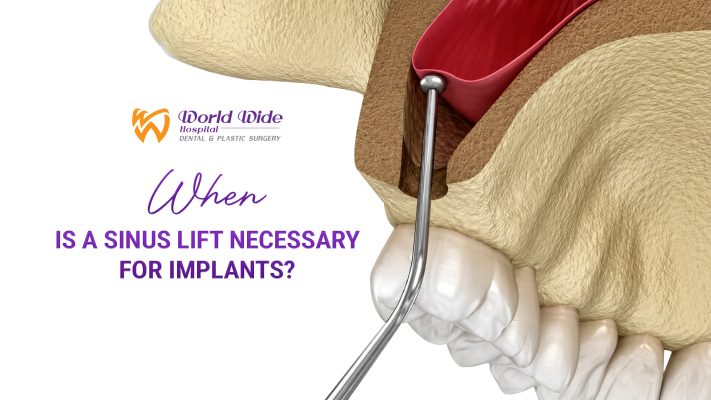
The maxillary sinus is a hollow cavity located above the upper posterior teeth.
Over time, prolonged tooth loss leads to progressive bone resorption alongside a gradual lowering of the sinus floor. This process diminishes residual bone height, leaving insufficient structure for safe, stable implant placement.
In these cases, a sinus lift augments the host bone, creating the vertical volume required to securely anchor and support the implant.
Not Everyone Requires a Sinus Lift
A sinus lift is not universally required for maxillary implant placements.
Where residual bone height remains adequate, implants can be placed directly without supplementary surgical intervention.
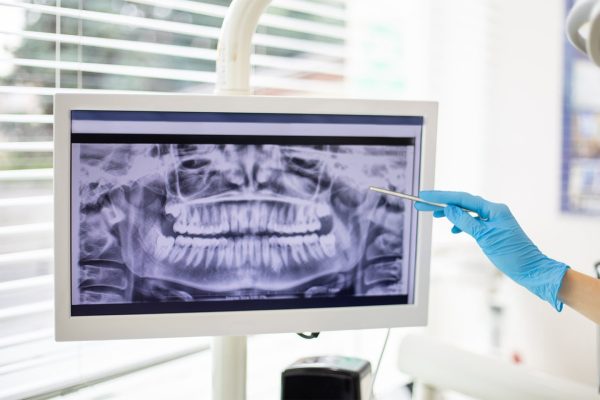
The necessity for a sinus lift is determined through a clinical evaluation and 3D Cone Beam CT scan, enabling precise assessment of residual bone height, maxillary sinus anatomy, and overall treatment planning.
Types of Sinus Lift Techniques
Closed Sinus Lift
A closed sinus lift is indicated when residual bone height is moderate to favorable, requiring only minimal elevation to accommodate an implant.
Access is gained directly through the osteotomy site, allowing the clinician to gently elevate the sinus membrane and introduce bone graft material as required.
Key Advantages:
- Minimally invasive approach.
- Reduced surgical duration.
- Feasibility of simultaneous implant placement in many cases.
- Accelerated recovery time.
Open Sinus Lift
In cases where extensive bone resorption leaves minimal residual bone height, an open sinus lift is indicated.
This technique provides direct access to the sinus cavity via a lateral window created in the maxillary wall, establishing space to introduce bone graft material and regenerate substantial bone volume.
Depending on the volume of existing bone structure, implants may be placed concurrently or staged after a period of graft maturation.
Key Advantages:
- Suitability for severe bone resorption
- Capacity for substantial bone regeneration
- Expansion of implant candidacy in complex cases
Closed vs. Open Sinus Lifts: Key Differences
The primary distinction between the two techniques lies in the extent of bone resorption and the remaining bone height.
| Criteria | Closed Sinus Lift | Open Sinus Lift |
| Extent of Bone Resorption | Mild to moderate | Severe |
| Surgical Access | Via the osteotomy site | Via a lateral maxillary window |
| Level of Intervention | Minimally invasive | Moderately invasive |
| Implant Placement Timing | Typically simultaneous | Depending on residual bone volume |
| Indications | Adequate residual bone height | Need for extensive bone reconstruction |
Fundamentally, the surgical approach rests on comprehensive diagnostic evaluation and an individualized treatment plan rather than patient preference.
Diagnostic Basis for Sinus Lift Decisions
The Indispensable Role of 3D Cone Beam CT
3D Cone Beam CT imaging enables clinicians to assess:
- Residual bone height.
- Maxillary bone width.
- Maxillary sinus location and dimensions.
- Bone density and quality.
- Feasibility of implant placement.
These diagnostic findings provide the clinical foundation for determining whether a closed sinus lift, an open sinus lift, or direct implant placement is indicated.
Personalized Treatment Planning
Two patients presenting with identical upper posterior tooth loss do not necessarily follow the same clinical path.
Treatment plans are individually tailored based on residual bone condition, the duration of tooth loss, the number of implants required, and specific restorative objectives.
Ensuring Comfort During & After Sinus Lift
Patient comfort is among the most frequent inquiries regarding sinus lift.
In practice, sinus lifts are performed under local anesthesia. When indicated, conscious sedation or general anesthesia can be administered in a hospital setting to provide a more comfortable treatment experience.
Post-operatively, mild swelling or discomfort may occur during the first few days. Clinicians provide post-care instructions, prescribe medication, and monitor recovery to ensure a smooth healing process.
Advanced Sinus Lifts & Implants at Worldwide Dental Hospital
Precision Pre-Treatment Evaluation
Every patient undergoes 3D Cone Beam CT imaging and a clinical evaluation by an implant specialist to accurately assess jawbone and maxillary sinus anatomy prior to treatment planning.
Hospital-Grade Care for Complex Cases
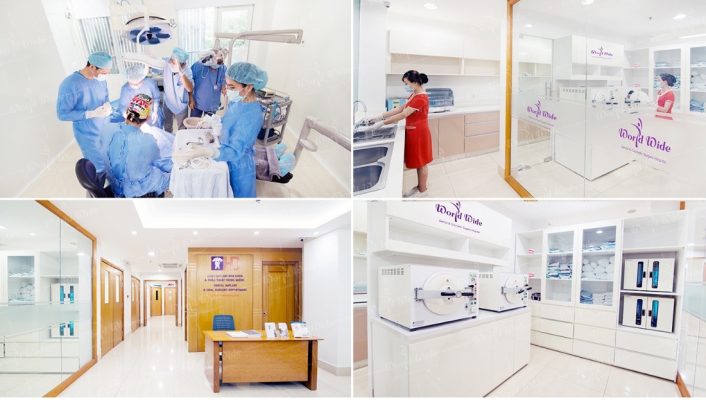
For complex cases involving combined sinus lifts, bone grafting, or advanced implant placement, Worldwide Dental Hospital maintains fully certified surgical suites and a dedicated specialist team equipped for major interventions.
As a specialized hospital licensed by the Ministry of Health to administer sedation and general anesthesia when clinically indicated, we are fully equipped to manage complex implant cases while ensuring maximum safety and patient comfort.
Conclusion
A sinus lift is not a universal procedure for all dental implant cases, but rather a solution indicated when upper jawbone height is no longer sufficient to support an implant.
The choice between a closed or open sinus lift depends on the extent of bone resorption and each patient’s individual treatment plan. Precise clinical examination and accurate diagnosis are therefore essential steps that enable clinicians to select the most appropriate method, aiming for stable, long-term treatment outcomes.
At Worldwide Dental Hospital, our dedicated team of implant specialists directly evaluates jawbone conditions using 3D Cone Beam CT imaging and formulates personalized treatment plans. If you have experienced prolonged upper posterior tooth loss or have been advised that a sinus lift is required prior to implant placement, schedule a consultation today to receive guidance on the safest and most suitable treatment option for you.