DHI Hair Transplant

DHI Hair Transplant – A Solution to Improve Hair Density and Create a Natural Hairline

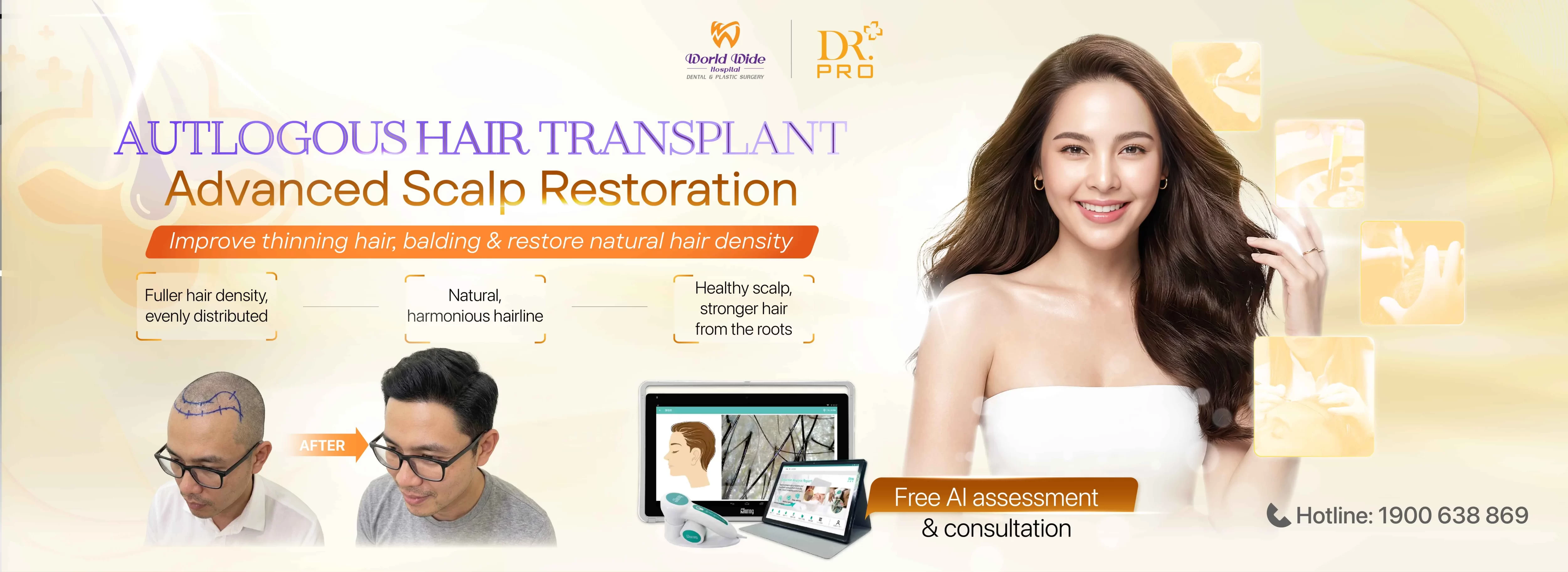
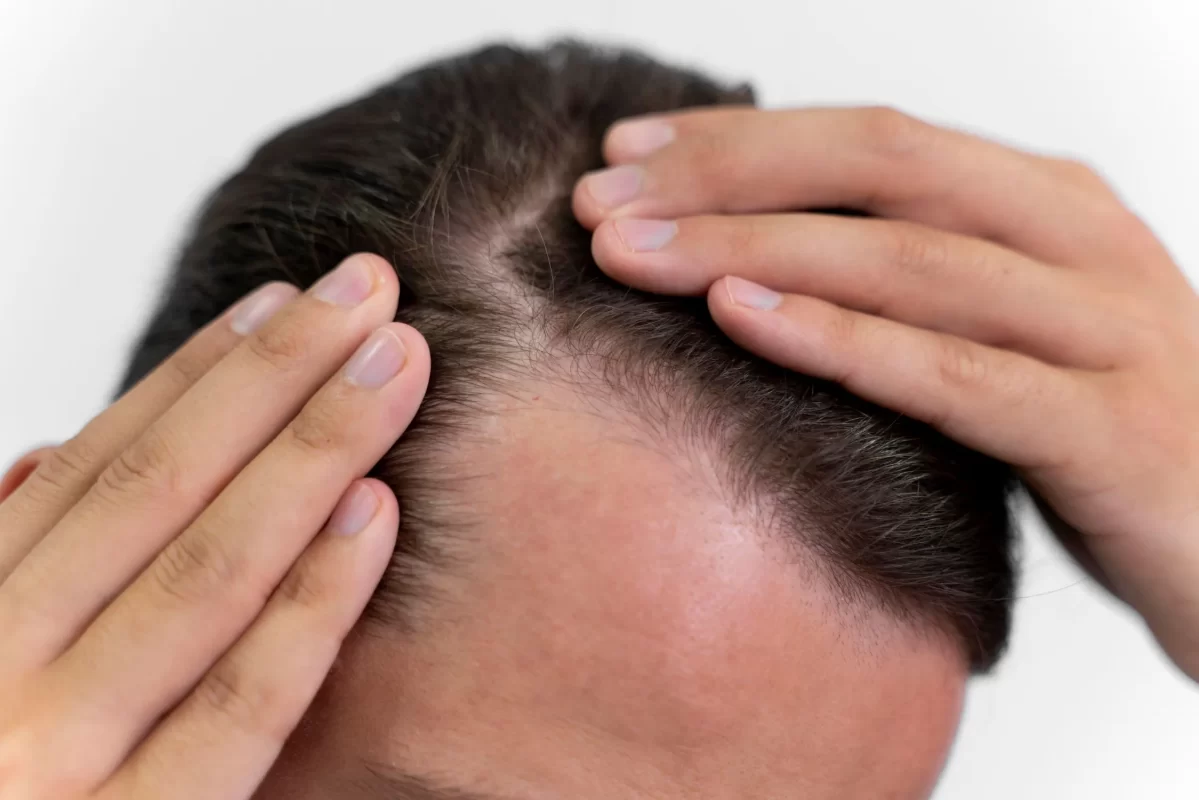
DHI hair transplantation is a method that many individuals consider when experiencing thinning hair, hair loss, or a receding hairline. Using a specialized implantation pen, this technique allows hair follicles to be transplanted directly from the donor area to areas with thinning hair, helping redistribute follicles precisely and contribute to a more balanced and natural-looking hair density.

At Worldwide Hospital, the DHI hair transplant procedure is performed according to medical standards. The hairline is also designed individually to match each person’s facial features, helping achieve a balanced and harmonious appearance.

DHI Hair Transplant

What Is DHI Hair Transplantation?

DHI (Direct Hair Implantation) is a modern hair transplant technique that uses healthy hair follicles taken from the back or sides of the scalp and implants them directly into areas with thinning hair or baldness.

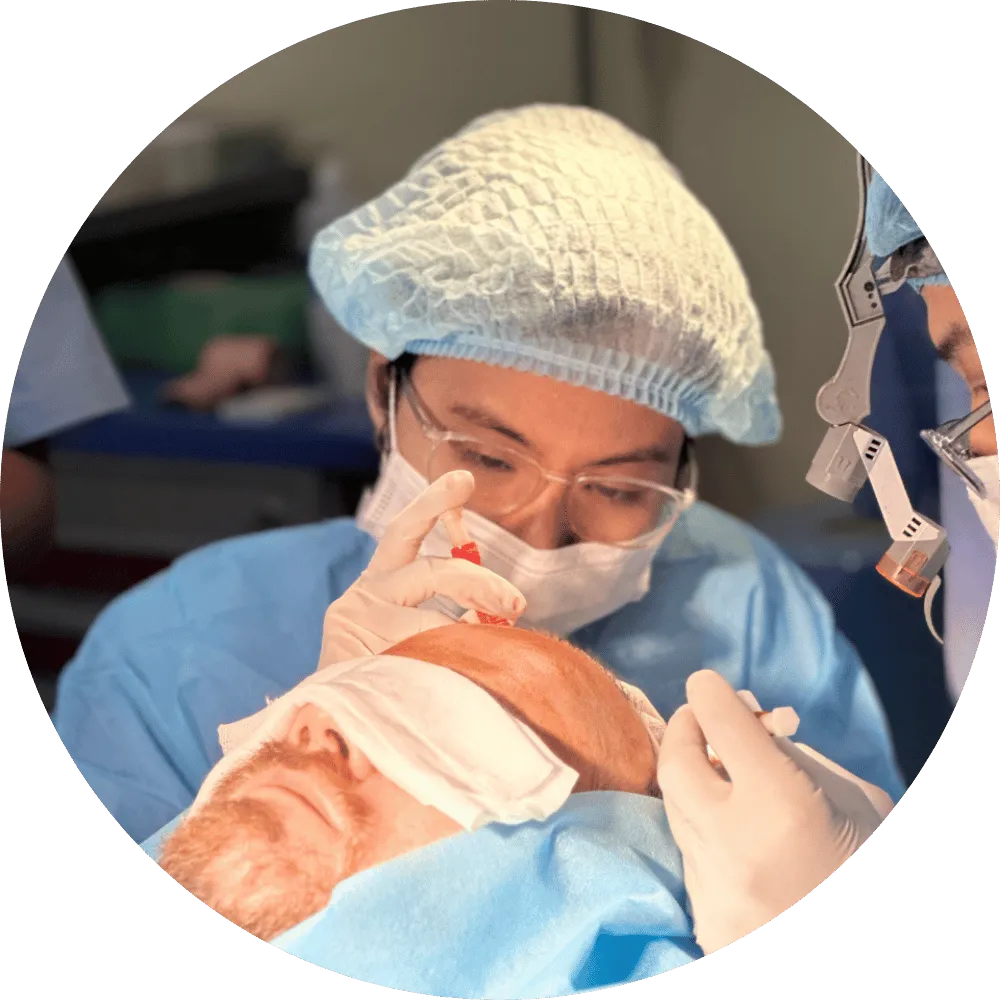
In this procedure, the doctor uses a specialized implantation pen to place each hair follicle into the scalp while carefully controlling the depth and angle of implantation. This helps distribute follicles evenly and supports the creation of a natural hair direction and density that harmonizes with the overall facial structure.

Because the follicles used come from the patient’s own scalp, they generally adapt well to the scalp environment, allowing stable growth conditions after transplantation.

DHI Hair Transplant

Advantages of the DHI Hair Transplant Method

Compared with some earlier hair transplant techniques, the DHI method is chosen by many aesthetic clinics and patients due to several characteristics:

  • Uses the patient’s own hair follicles, which generally adapt well to the scalp
  • Helps improve hair density in thinning or balding areas
  • Hair growth direction can be designed to match natural hair patterns
  • No need for large incisions on the scalp
  • Procedure time can be optimized depending on the number of follicles transplanted
  • Can be applied in various situations such as M-shaped hair loss, crown baldness, high hairline, or naturally thin hair
DHI Hair Transplant
DHI Hair Transplant

Who May Be Suitable for DHI Hair Transplantation?

DHI hair transplantation is often considered in the following situations:

  • Individuals with thinning hair or gradually reduced hair density
  • Individuals with a high hairline or a wide forehead
  • Individuals with M-shaped hair loss or crown baldness
  • Individuals who wish to improve hair density in specific areas of the scalp
  • Individuals with healthy donor hair at the back of the head

To determine the appropriate method, patients will be examined by a doctor and have their hair follicles evaluated before the procedure.

Comparison Between DHI Hair Transplant and Conventional Hair Transplant Methods

DHI Hair Transplant

Conventional Hair Transplant Methods

Method
Direct implantation of hair follicles using a specialized pen
Hair follicles are implanted through small incisions in the scalp
Impact
  • Better control of implantation depth and hair growth direction
  • Helps distribute hair follicles evenly
  • Hair growth direction depends more on technical handling
  • Post-transplant density depends on follicle distribution
Recovery time
Recovery time may be optimized depending on individual conditions
Recovery time may be longer in some cases

LIPOSUCTION PROCEDURE BY ULTRASONIC WAVES

Standard DHI Hair Transplant Procedure at Worldwide Hospital

The hair transplant procedure at Worldwide Hospital typically includes the following steps:
DHI Hair Transplant

STEP 1: Consultation and Scalp Evaluation

Before the procedure, patients are examined directly by a doctor to evaluate the overall hair and scalp condition.
During this step, the doctor will:
  • Assess the degree of hair thinning or baldness
  • Check hair follicle density in both donor and recipient areas
  • Analyze scalp condition and follicle health
Patients also undergo scalp examination using an AI scalp analysis system equipped with a probe that magnifies approximately 70 times compared to the naked eye, allowing detailed observation of scalp and follicle structures.
Through this system, doctors can evaluate factors such as:
  • Scalp sensitivity
  • Oil and dandruff condition
  • Hair shaft diameter
  • Hair density
Based on the analysis results, the doctor will recommend an appropriate treatment approach and estimate the number of follicles required for each patient.
DHI Hair Transplant

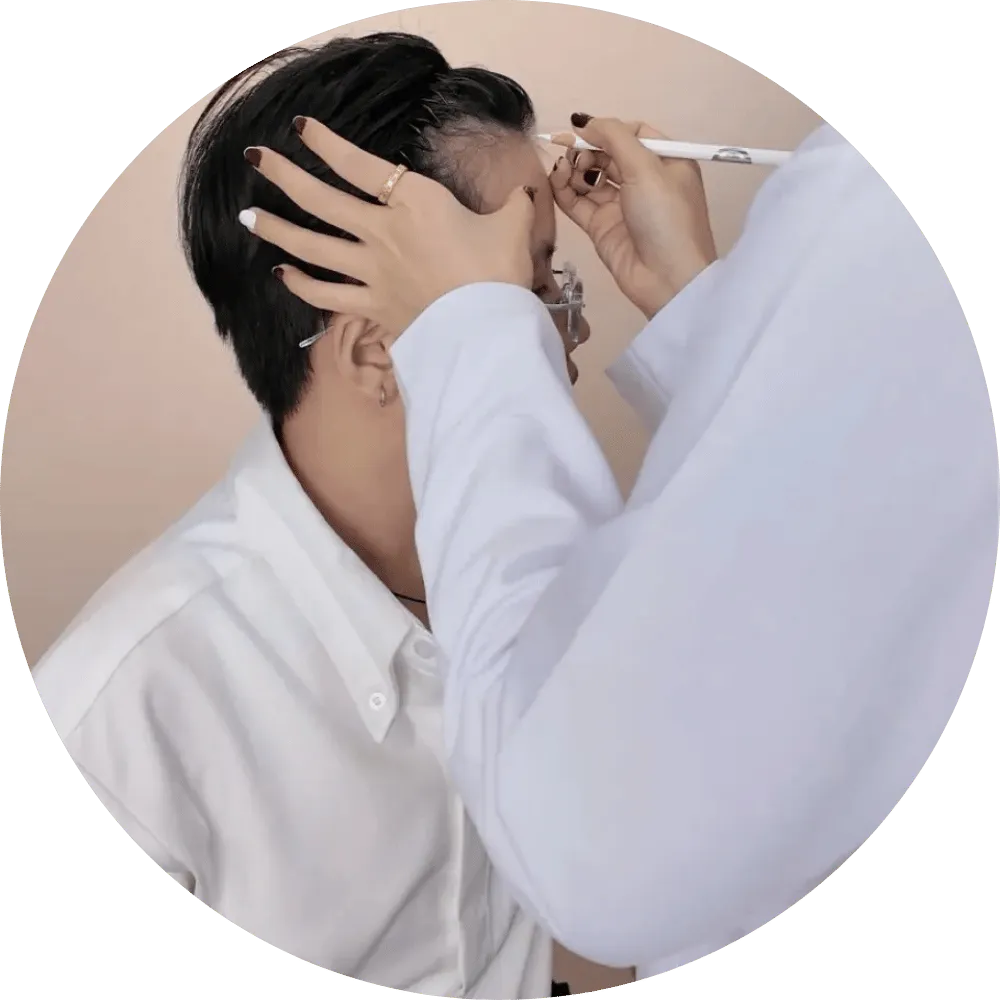
STEP 2: Hairline Design and Determining the Number of Follicles

After evaluating the hair condition, the doctor will:
  • Design a hairline that matches the patient’s facial structure
  • Identify the areas requiring transplantation
  • Calculate the number of follicles needed from the donor area
This design process plays an important role in ensuring that the transplanted hairline appears natural and harmonizes with the facial features.
DHI Hair Transplant

STEP 3: Hair Follicle Extraction from the Donor Area

Healthy hair follicles are usually extracted from the back or sides of the scalp, where hair density tends to remain stable.
During this step, the doctor will:
  • Extract individual follicular units
  • Preserve the follicles in a specialized solution
  • Classify follicles based on the number of hairs per unit
This process helps maintain suitable conditions for the follicles before transplantation.
DHI Hair Transplant

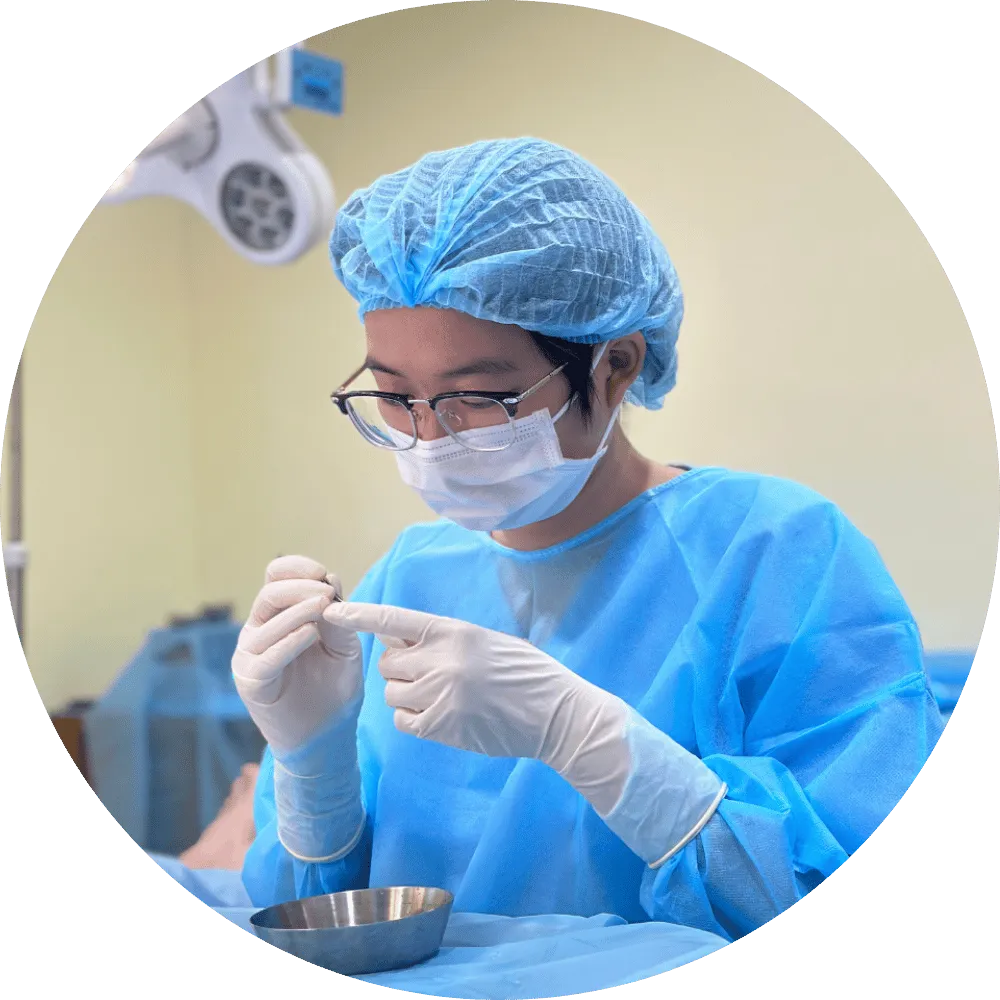
STEP 4: Implanting Hair Follicles Using the DHI Implantation Pen

After preparing the follicles, the doctor uses a specialized implantation pen to place each follicle into the target area.
During this step:
  • Implantation depth is carefully controlled
  • Hair growth direction is adjusted to match natural hair patterns
  • Follicles are distributed evenly to create balanced density
This step plays an important role in achieving natural and uniform results.
DHI Hair Transplant

STEP 5: Postoperative care

After the transplant procedure is completed, patients receive detailed instructions on how to care for the scalp, including:
  • How to clean the scalp during the first few days
  • Medications to take if prescribed by the doctor
  • Activities to avoid during the early recovery stage
  • Follow-up schedules to monitor follicle development
Following the recommended care instructions helps the transplanted follicles adapt better to the new scalp environment.

Post-Transplant Care Instructions

After undergoing a DHI hair transplant, patients are advised to follow several recommendations to support the recovery process:

  • Take medications as prescribed by the doctor if necessary
  • Clean the scalp gently according to instructions
  • Avoid strong pressure or impact on the scalp during the early period
  • Maintain a balanced lifestyle and adequate rest
  • Attend follow-up appointments to monitor follicle development

Hair follicles typically require time to adapt to the new scalp environment before entering a stable growth phase.

DHI Hair Transplant

DHI Hair Transplant Pricing at Worldwide Hospital

The cost of a DHI hair transplant may vary depending on:

  • The number of hair follicles required
  • The patient’s hair and scalp condition
  • The treatment area

At Worldwide Hospital, patients receive consultation and detailed guidance before the procedure. The hospital may also provide promotional programs at certain times.

View detailed price list
DHI Hair Transplant

Patient Results After DHI Hair Transplant at Worldwide Hospital

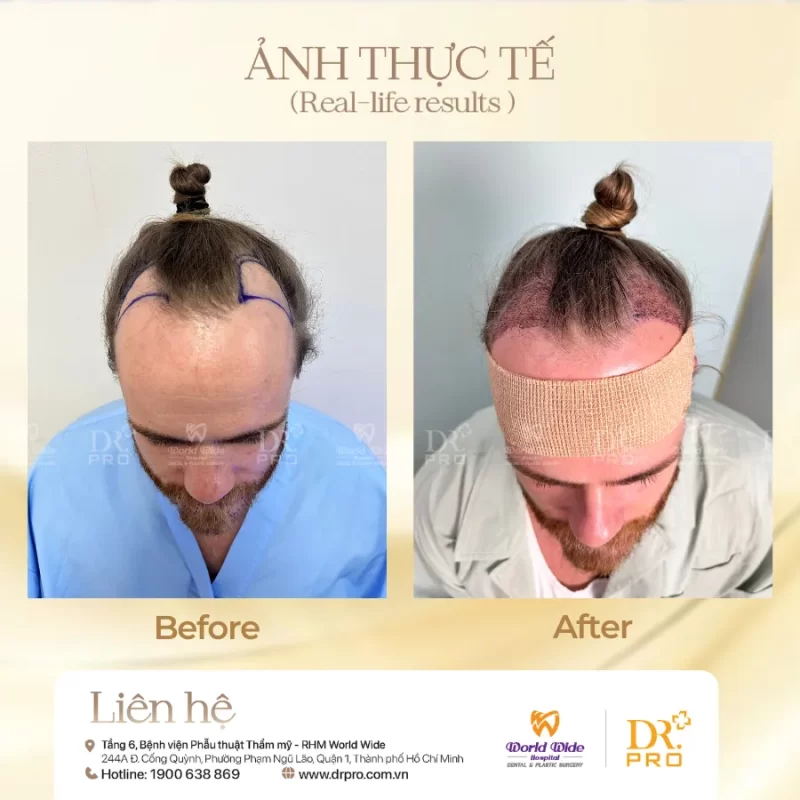
After undergoing a DHI hair transplant, many patients report improved hair density and a hairline that appears more balanced with their facial features.

Real patient images at Worldwide Hospital provide a clearer visual perspective on the changes after the procedure.

Why Choose Worldwide Hospital?

Worldwide Hospital is trusted by many individuals seeking hair transplant and scalp restoration solutions. With procedures performed according to medical standards and an experienced team of doctors, each hair transplant case is carefully planned based on the patient’s hair and scalp condition.

From Basic Cases to Large-Density Transplants

Worldwide performs a wide range of hair transplant cases, from mild hair thinning to advanced baldness requiring large follicle numbers.

Some cases may require 3,000-5,000 follicles, which demands high precision in follicle extraction and implantation as well as professional experience to ensure balanced hair density.

Standardized Procedure with Optimized Treatment Time

The hair transplant procedure follows medical standards, from consultation and scalp analysis to follicle implantation and post-procedure care.

With improved techniques and coordinated teamwork, the average procedure time is about 4 hours for a standard case, helping patients have a more comfortable experience.

Stable Growth Rate of Transplanted Hair Follicles

When performed with proper technique and followed by appropriate care, transplanted follicles generally adapt well to the new scalp environment.

Based on clinical statistics, the follicle growth rate after transplantation may reach around 90-95%, contributing to improved hair density and natural results over time.

Experienced Medical Doctors

Hair transplant procedures at Worldwide are performed by doctors with experience in aesthetic medicine and hair restoration.

Doctors examine patients directly, design the hairline, and monitor follicle development after the procedure to help ensure results that harmonize with the overall facial structure.

Modern Facilities

The hospital is equipped with sterile procedure rooms and supportive equipment for hair transplantation and scalp analysis.

Treatment spaces are designed to provide comfort while ensuring suitable conditions for the procedure.

Advanced Post-Transplant Care Programs

After the transplant procedure, patients receive guidance on scalp care and monitoring according to each stage of follicle development.

Worldwide also integrates biological scalp care treatments, using products researched at KAIST Institute (Korea) and developed by Professor Yoo Won Min, a specialist in hair and scalp restoration.

These supportive programs help maintain the scalp environment and create favorable conditions for transplanted follicles to adapt and develop.

DHI Hair Transplant

Frequently Asked Questions About DHI Hair Transplant

How long does a DHI hair transplant procedure take?

The procedure time depends on the number of follicles required and the patient’s scalp condition.

How long does it take for hair to start growing again?

Hair usually goes through several adaptation stages before entering a stable growth phase.

Is a long recovery period required after hair transplantation?

Most patients can resume normal daily activities after a short period, following the doctor’s instructions.

DHI Hair Transplant
suzana

    SCHEDULE A CONSULTATION HERE

    (*All information is confidential)