Dental Implant

Book a Consultation

ĐẶT LỊCH TƯ VẤN

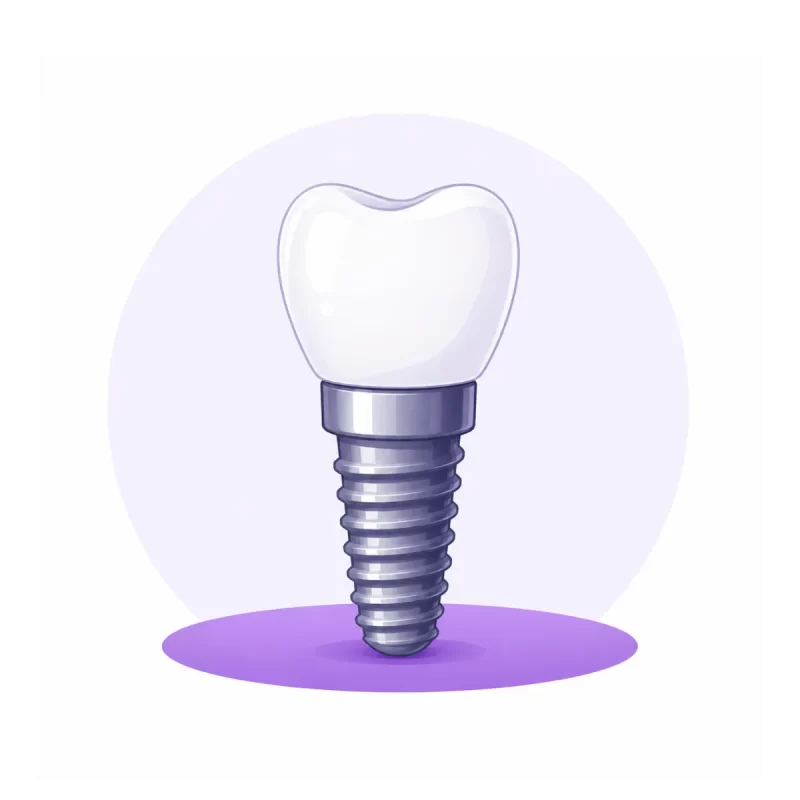
    What Are Dental Implants? Understanding the Anatomy of an Implant

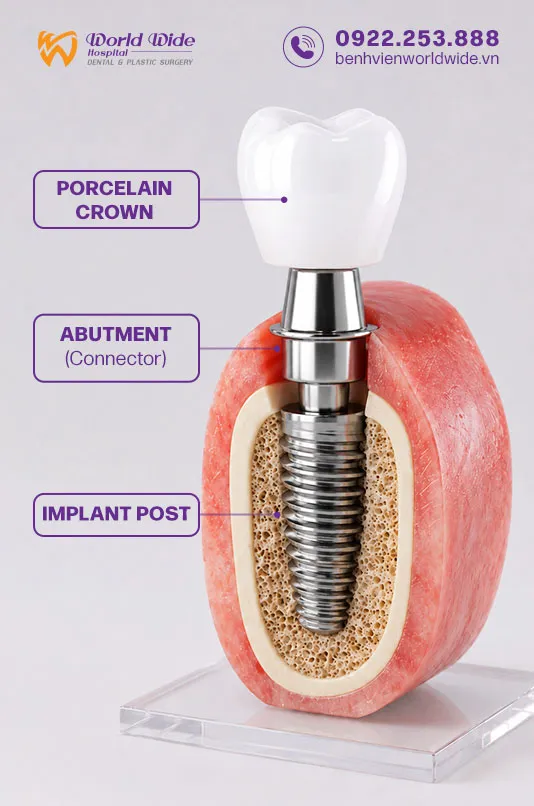
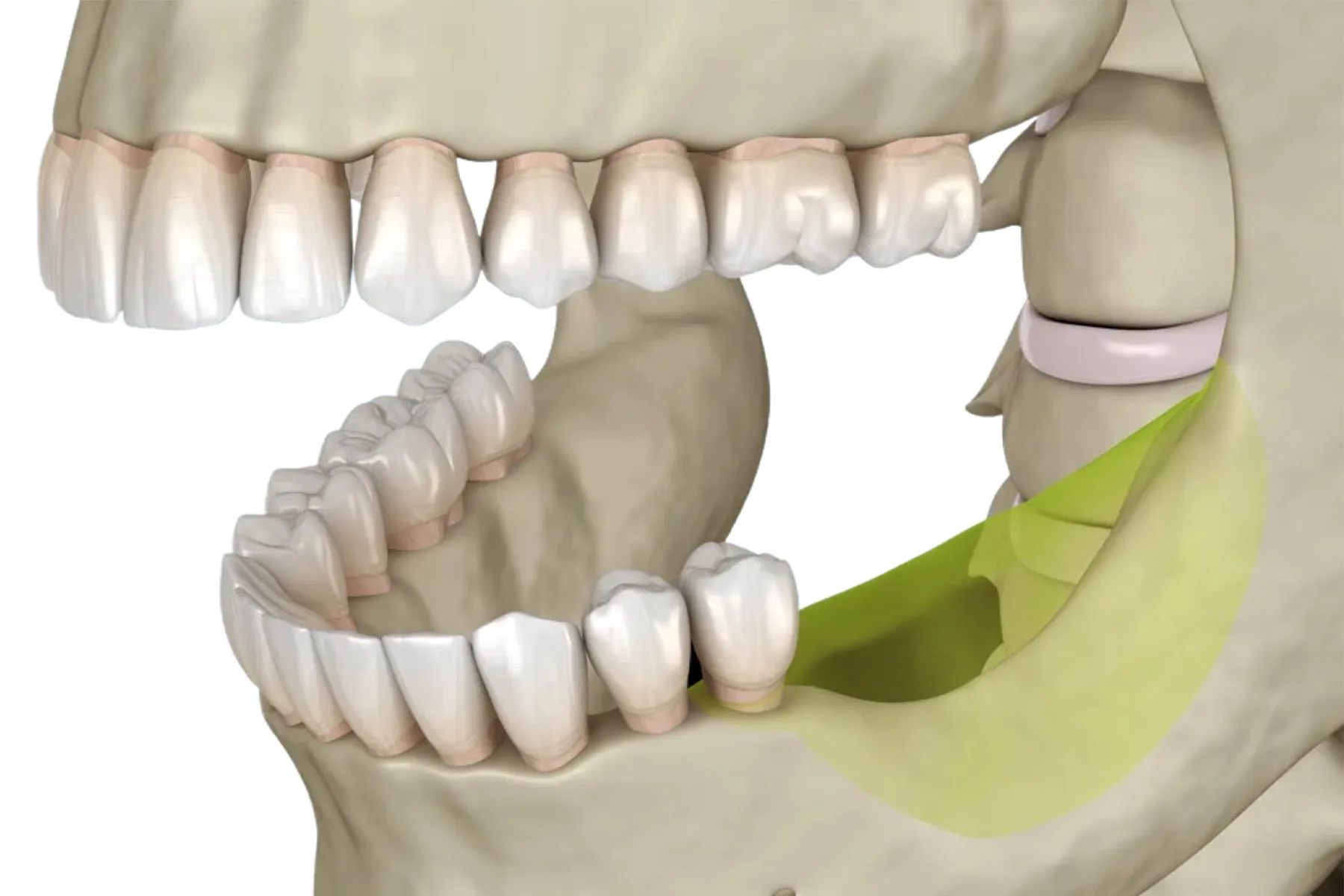
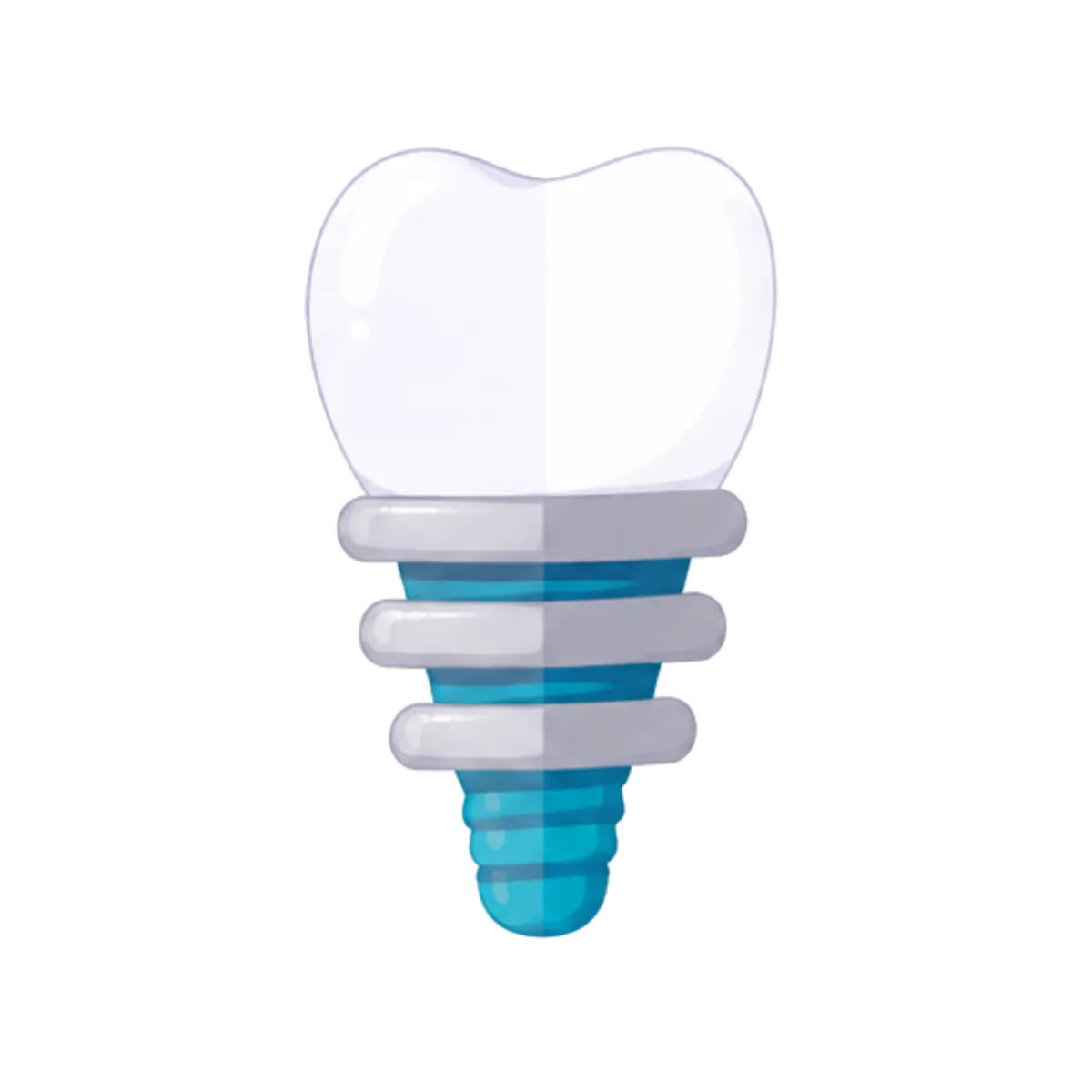
    Dental implants are the gold standard for replacing missing teeth. Unlike traditional options that merely sit on the gumline, an implant anchors directly into the jawbone to replace the natural tooth root. Once the implant firmly fuses with the bone, a custom porcelain crown is secured on top to complete your smile.

    By replacing both the root and the crown, dental implants restore full biting power, protect facial structure without any intervention on adjacent healthy teeth.

    Whether you need to replace a single missing tooth, multiple teeth, or an entire arch, dental implants offer a permanent, natural-looking solution.

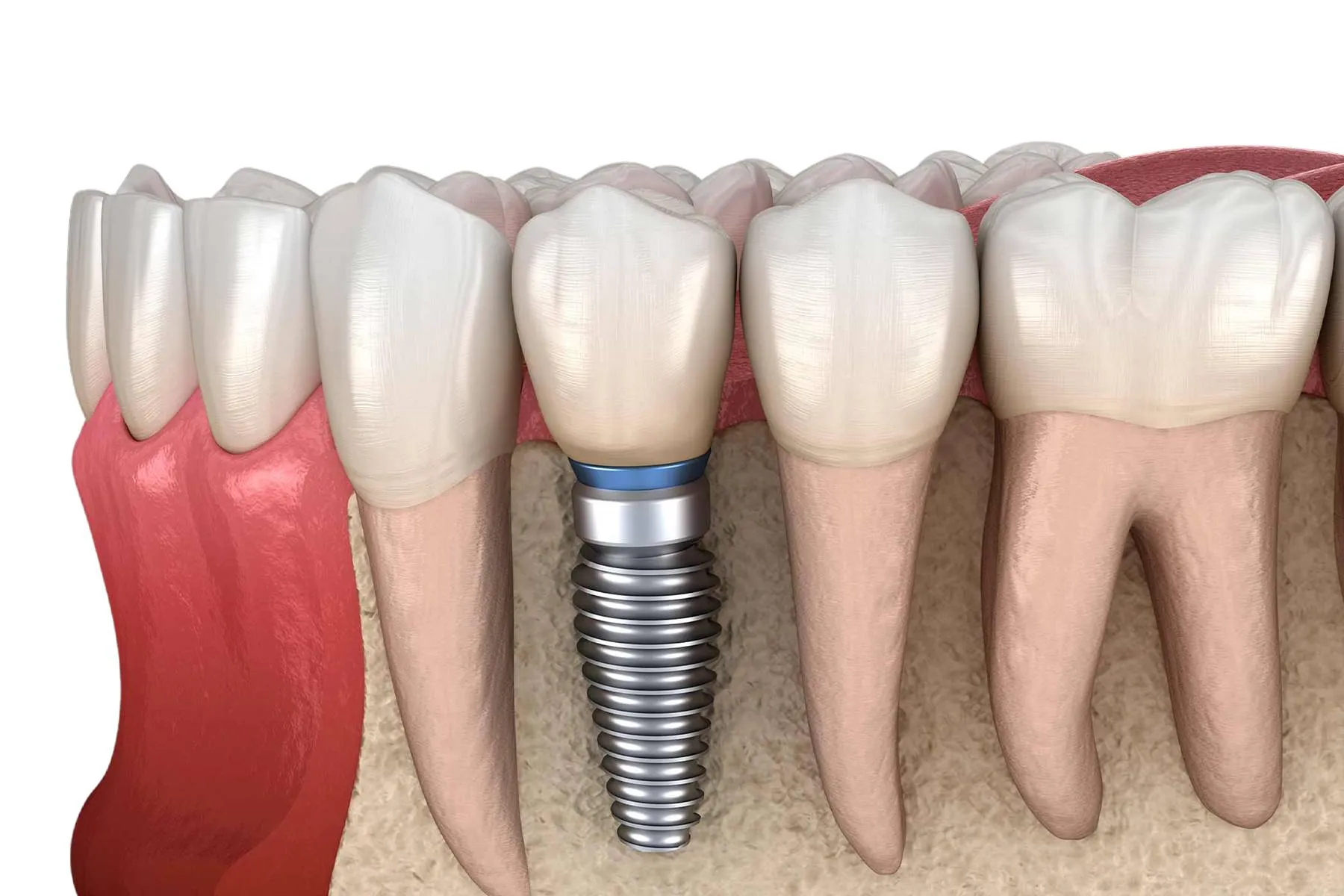
    1. Implant Post – The Artificial Root

    The implant post is surgically placed directly into the jawbone. Made of highly biocompatible titanium, it integrates securely with the bone over time. It then acts as a sturdy new root, supporting the entire upper restoration and handling chewing forces.

    2. Abutment – The Connectori

    Bridging the implant post and the crown, the abutment locks both components securely together while shaping a stable, aesthetic base for the new tooth. It guarantees a seamless fit, preventing the restoration from loosening or shifting under chewing forces.

    3. Porcelain Crown – The Visible Tooth

    Custom-designed to match your bite and oral condition, the crown blends seamlessly in shape, size, and color with surrounding teeth. It restores near-natural chewing ability while delivering high aesthetics for a balanced, natural smile.

    Implant

    Are Dental Implants Right for You?

    Dental implants offer a lasting path for adults looking to regain full chewing function after tooth loss. Depending on your bone health and the number of missing teeth, the dentist will tailor the ideal approach for your smile.

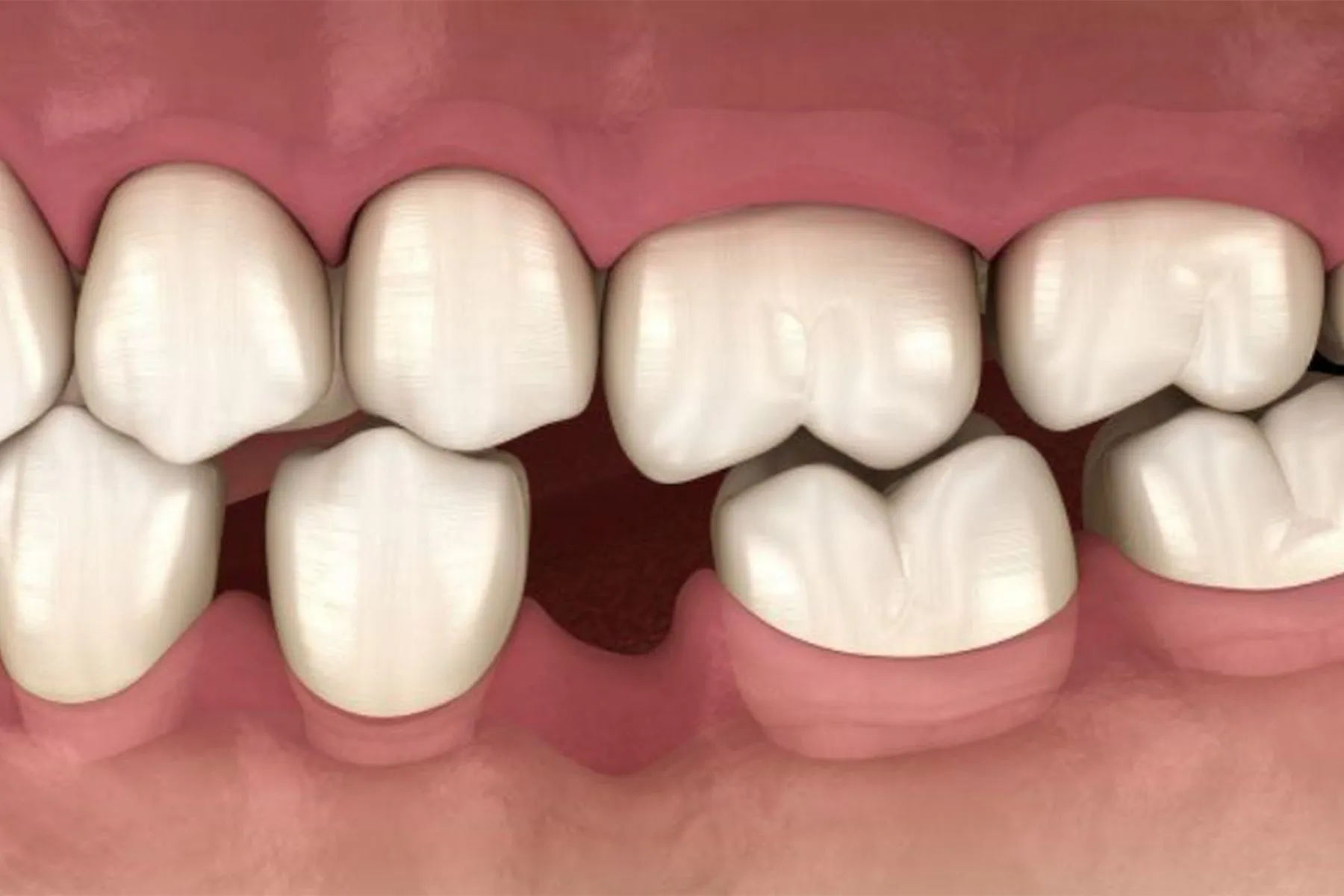
    mất 1 răng

    Single Tooth Loss

    An implant replaces the missing tooth without grinding down healthy adjacent teeth for a bridge.

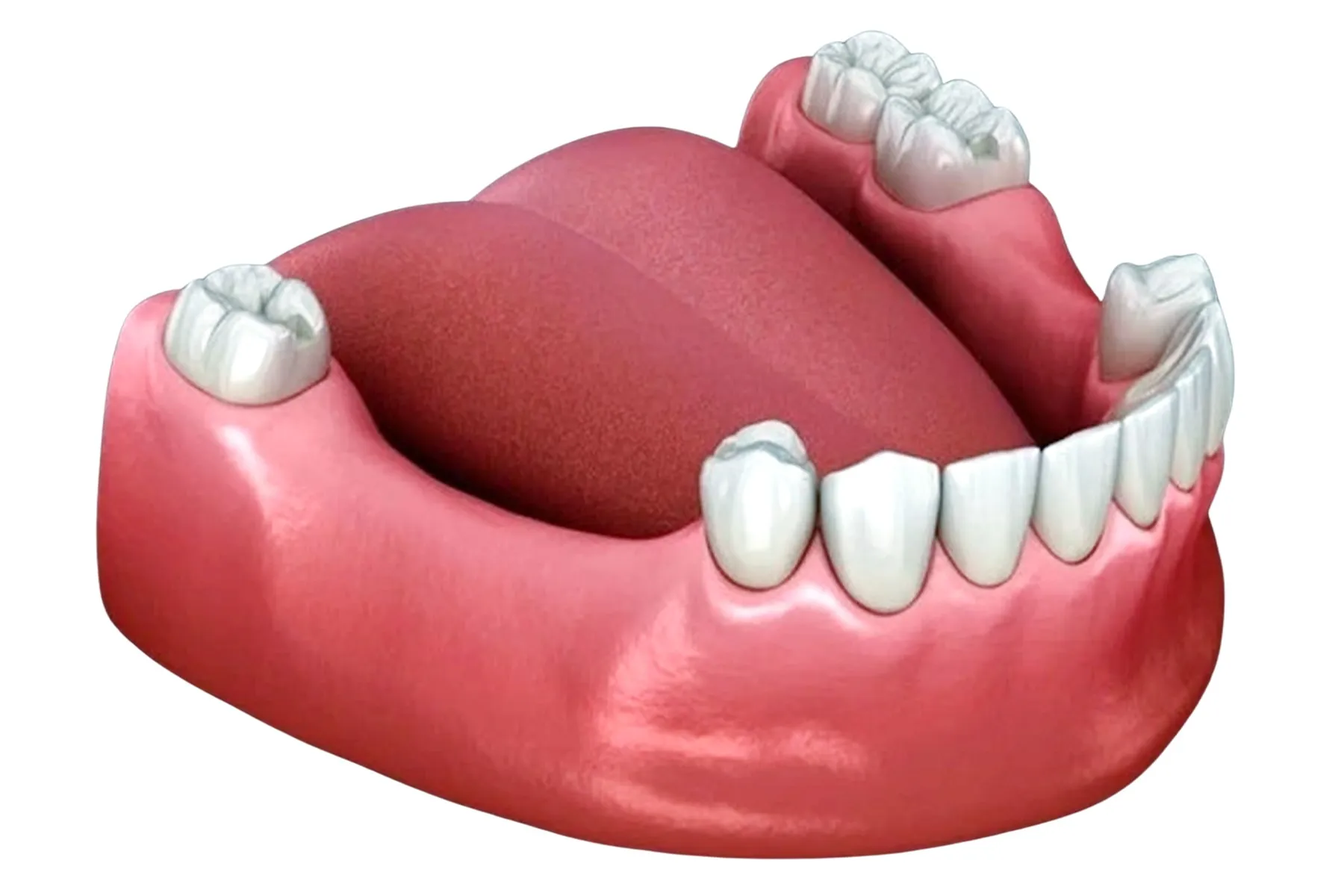
    mất nhiều răng

    Multiple Missing Teeth

    Multiple implants or an implant-supported bridge can effectively restore the missing tooth area.

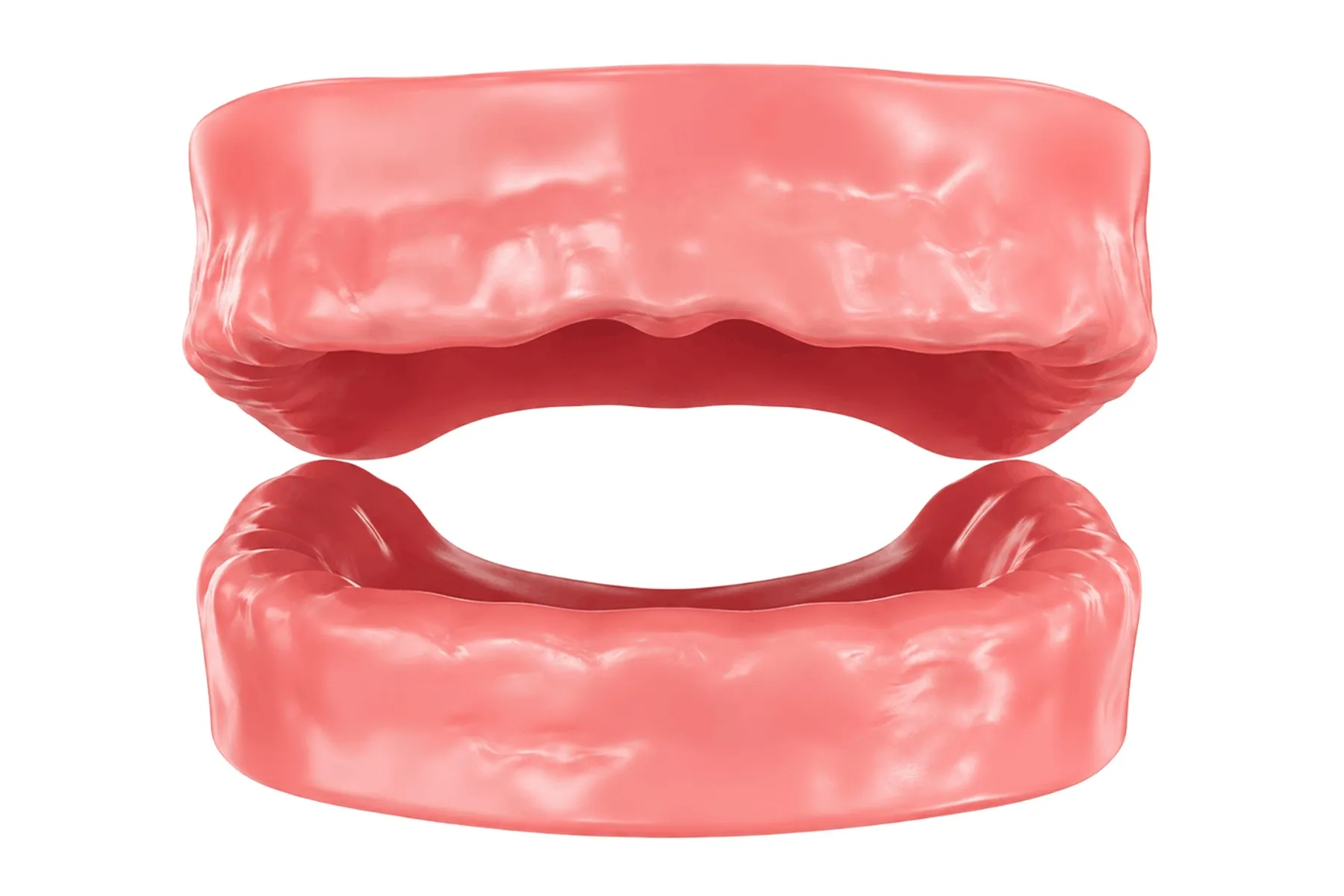
    mất răng toàn hàm

    Full-Arch Tooth Loss

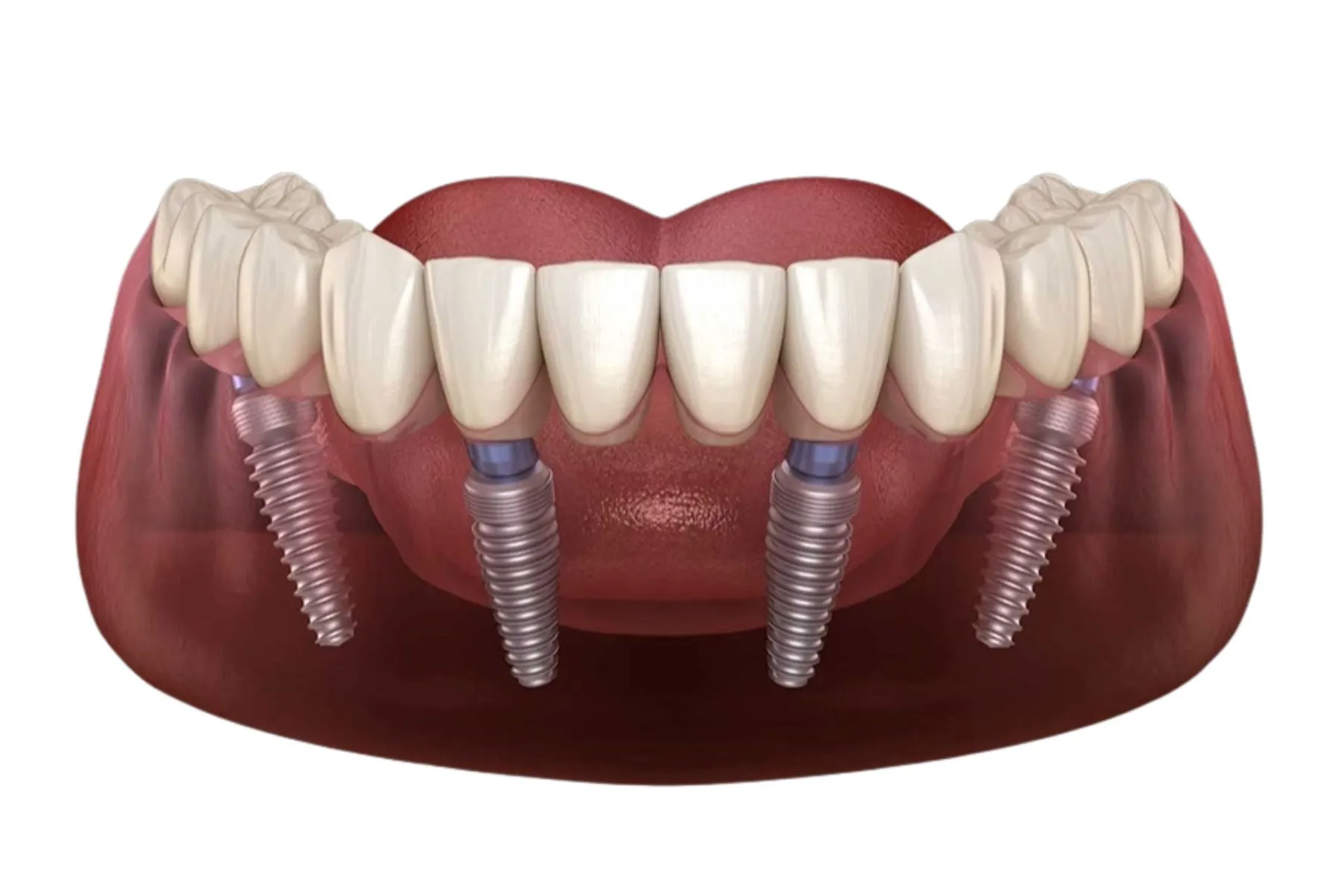
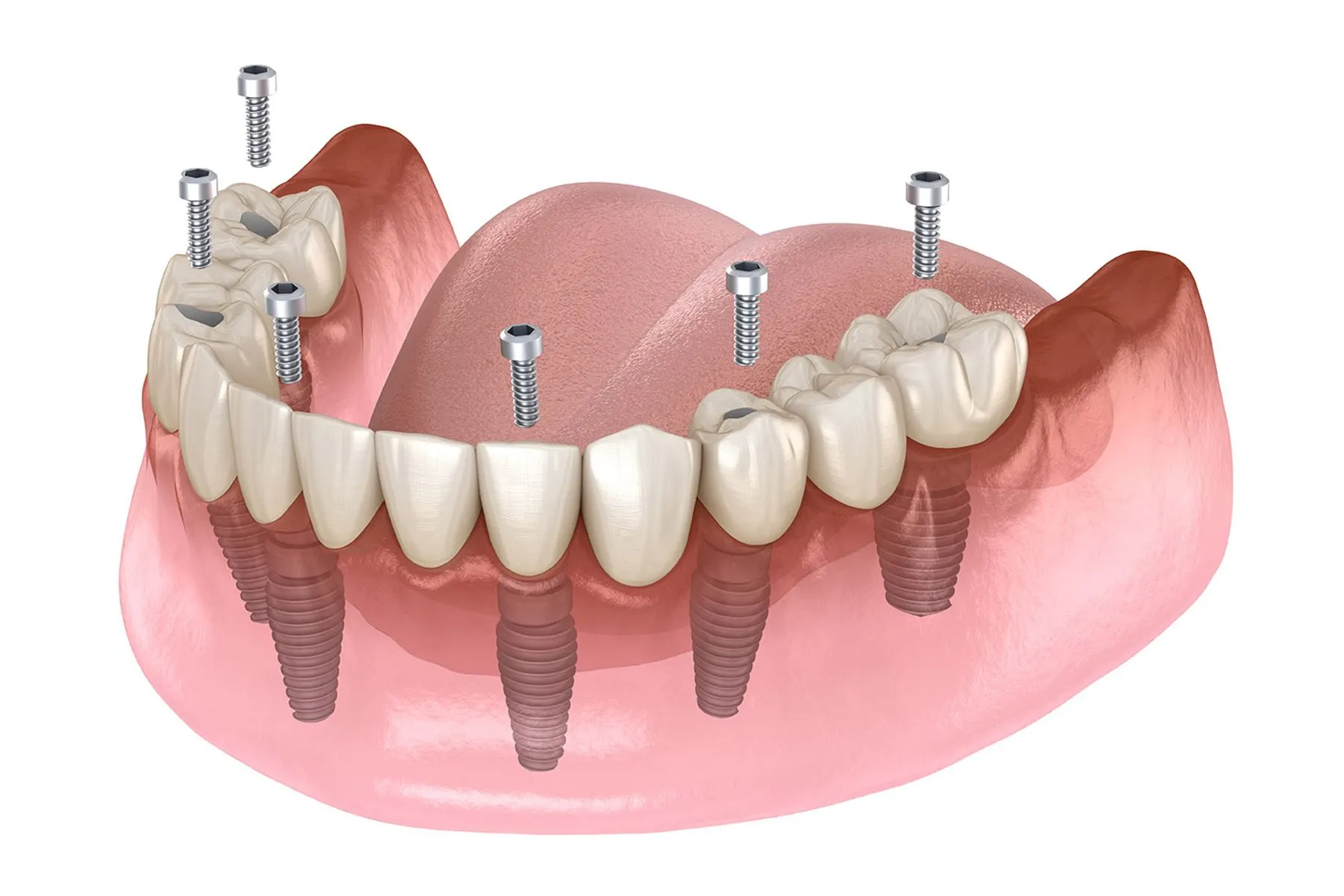
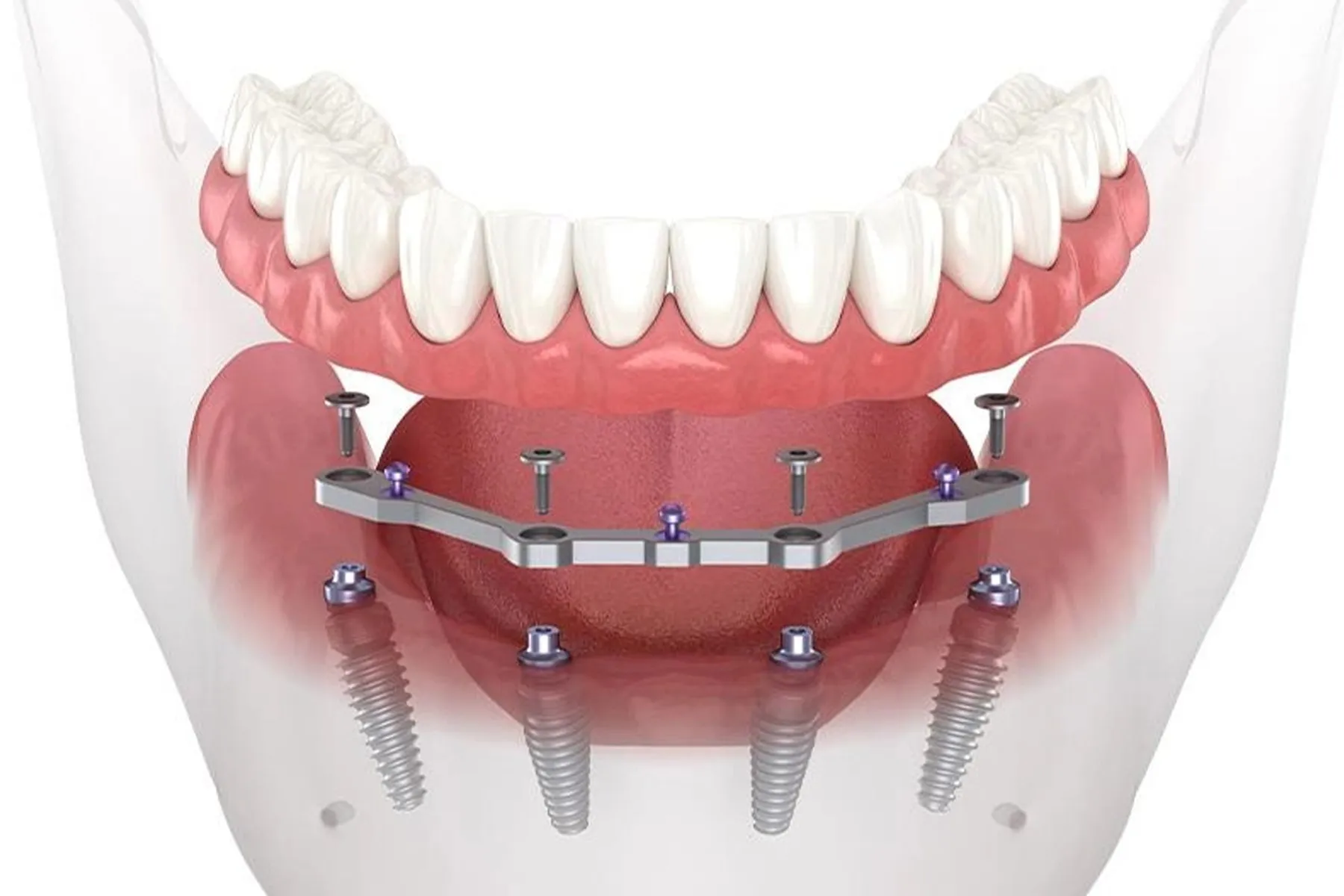
    Full-arch restoration can be achieved with solutions such as All-on-4, All-on-6, or an approach tailored to the patient’s jawbone structure.

    mất răng lâu năm

    Long-Term Tooth Loss

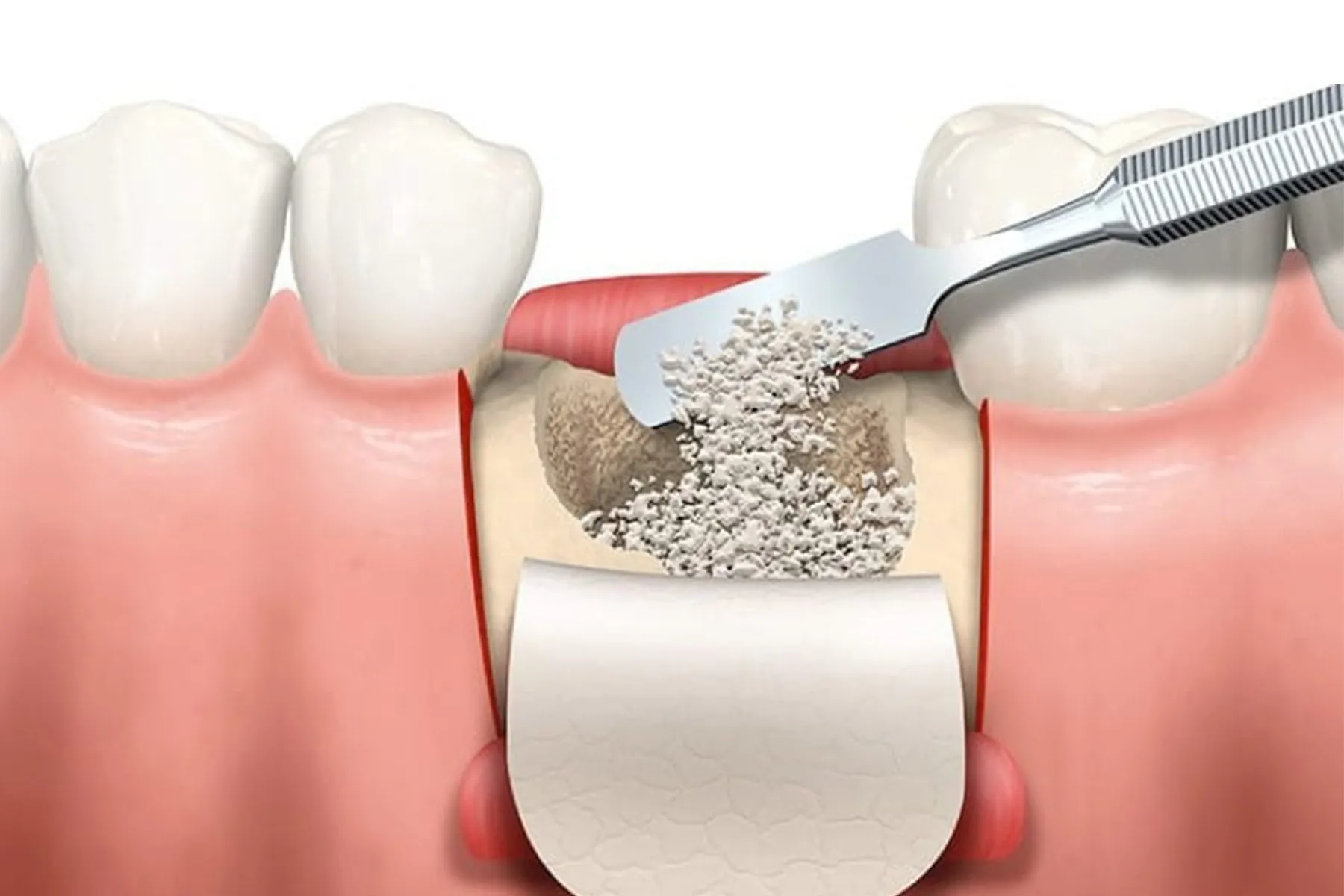
    Patients missing teeth for extended periods can still be evaluated for implants. In cases of bone deficiency, bone grafting or supplementary procedures may be performed prior to or during treatment.

    Sử dụng hàm tháo lắp

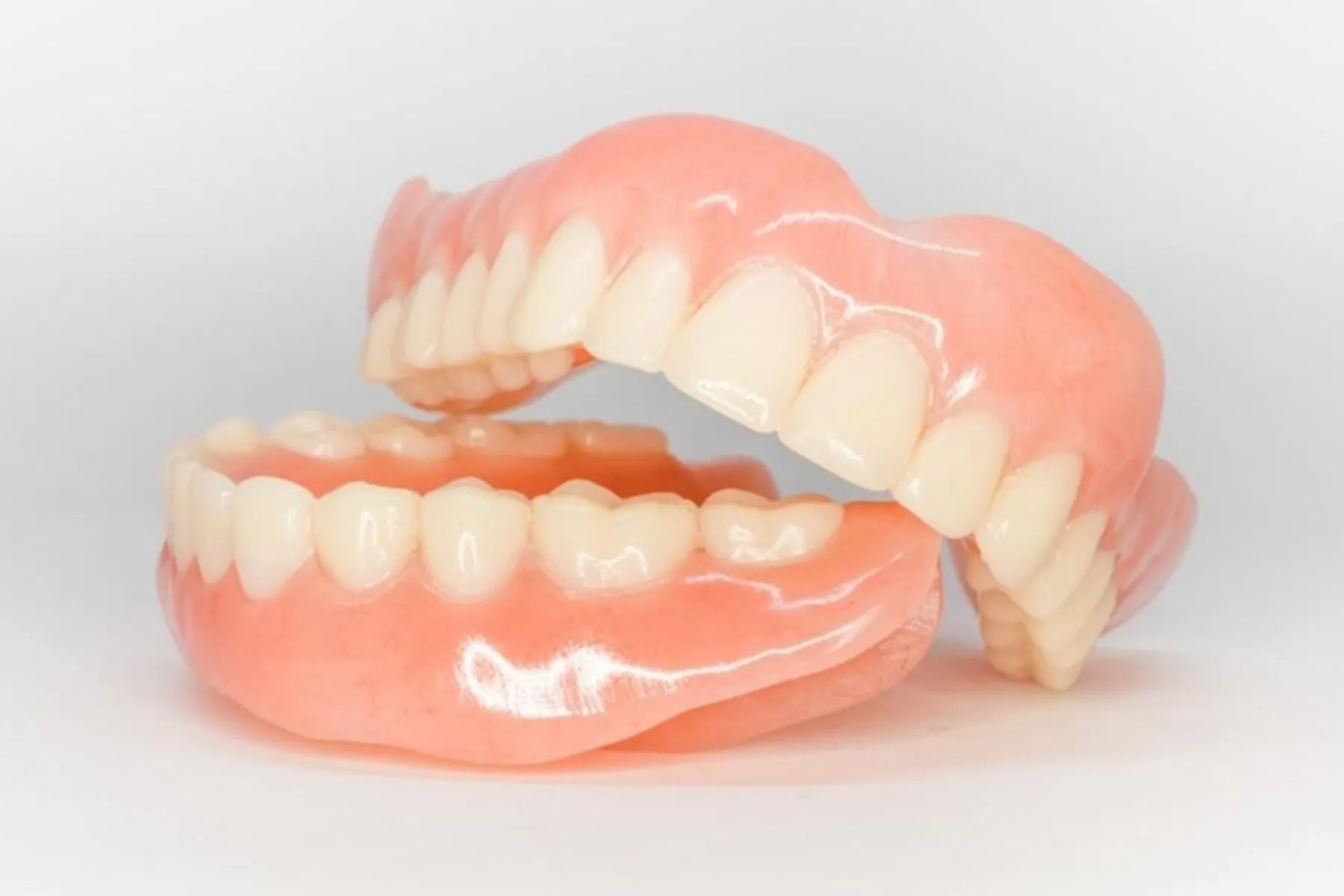
    Removable Denture Wearers Experiencing Chewing Difficulties

    Implants significantly enhance prosthetic stability, restoring efficient masticatory function and everyday comfort.

    răng hư hỏng

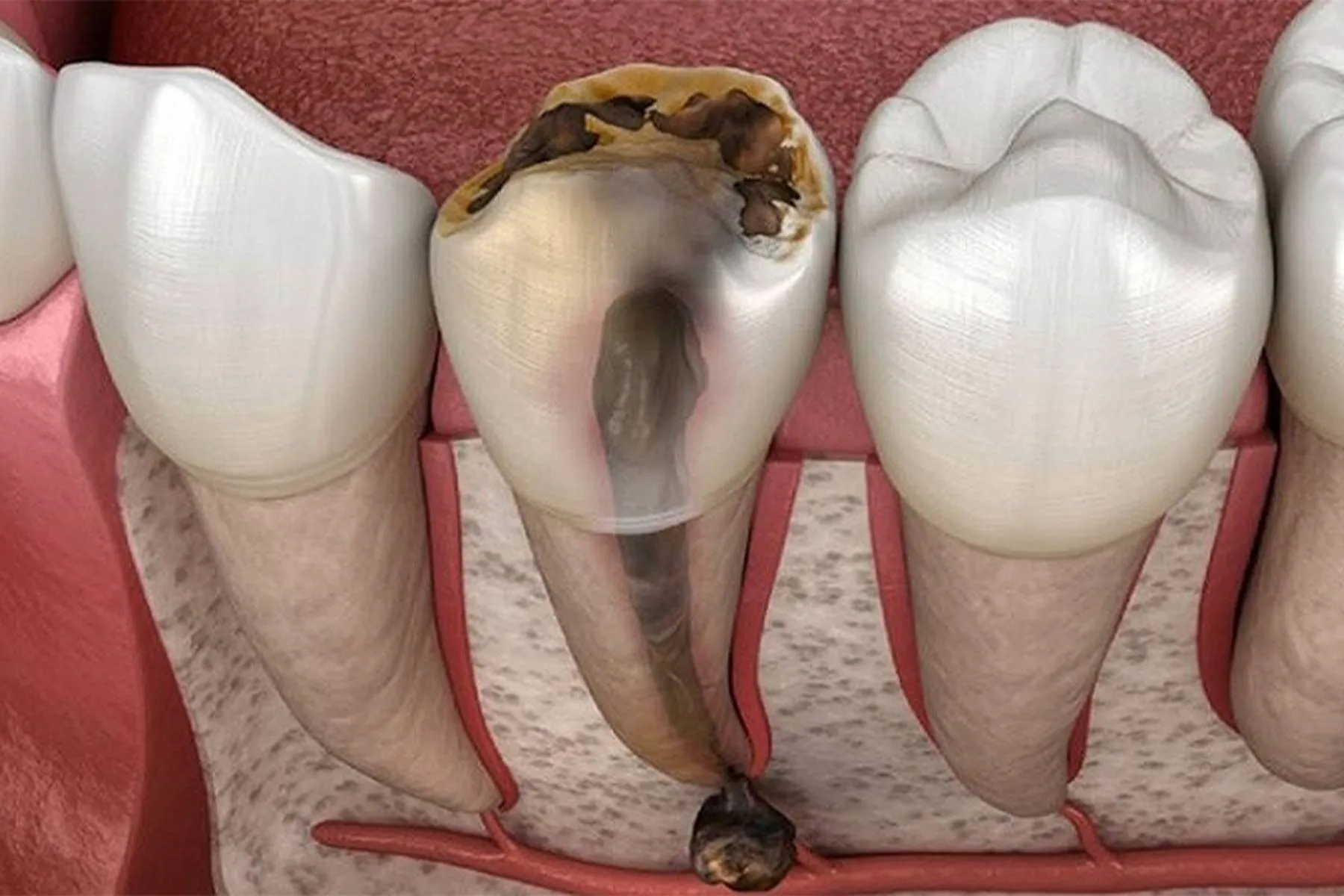
    Severely Damaged, Irrestorable Teeth

    Once an extraction is deemed clinically necessary, an implant serves as a primary restorative solution for the lost tooth.

    Note:  Not every case of tooth loss is ready for implant placement. A thorough evaluation of your bone structure, soft tissues, and overall health – supported by clinical imaging – is required before a tailored treatment plan can be confirmed.

    Advanced Implant Solutions at Worldwide

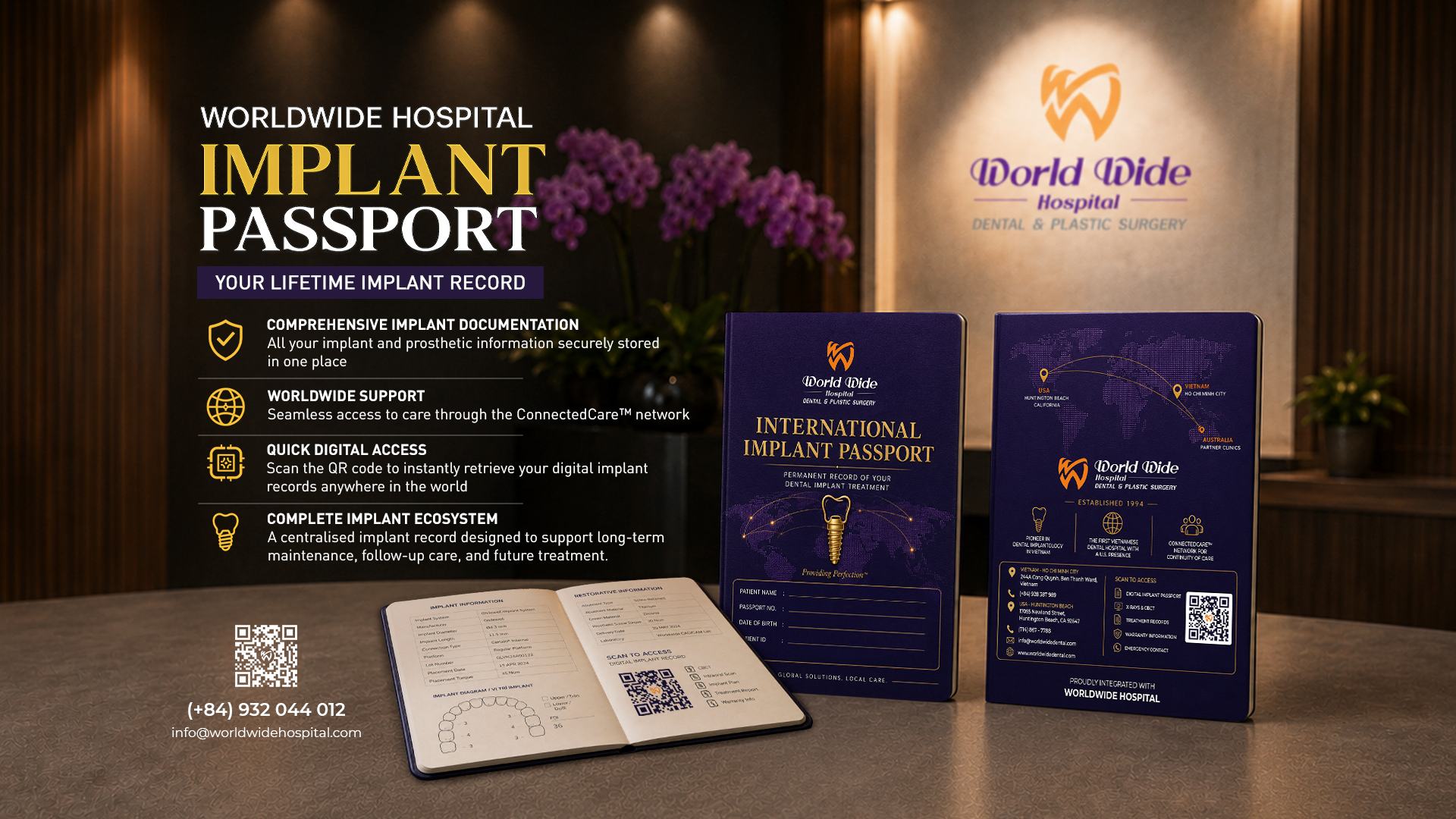
    Worldwide Dental Hospital regularly serves international patients from Australia, the US, Canada, and Europe. We provide pre-trip evaluations, transparent treatment plans, and implant passports for seamless follow-up care back home.

    implant don le

    Single Implants

    Restores one or more missing teeth with an implant post and crown, regaining chewing function and aesthetics without altering healthy adjacent teeth.

    all on 4

    All-on-4

    Uses four implants as a foundation to support a fixed full arch, restoring complete chewing function.

    All on 6

    All-on-6

    Uses six implants to build a stronger foundation, offering enhanced bite-force distribution.

    Phục hình trên implant

    Implant-Supported Restoration

    Attaches a fixed full-arch bridge onto All-on-4 or All-on-6 implants, delivering natural aesthetics and comfortable chewing function.

    Bone Grafting

    Rebuilds bone volume in areas with bone loss, creating a solid, stable foundation for precise implant placement.

    Sinus Lift

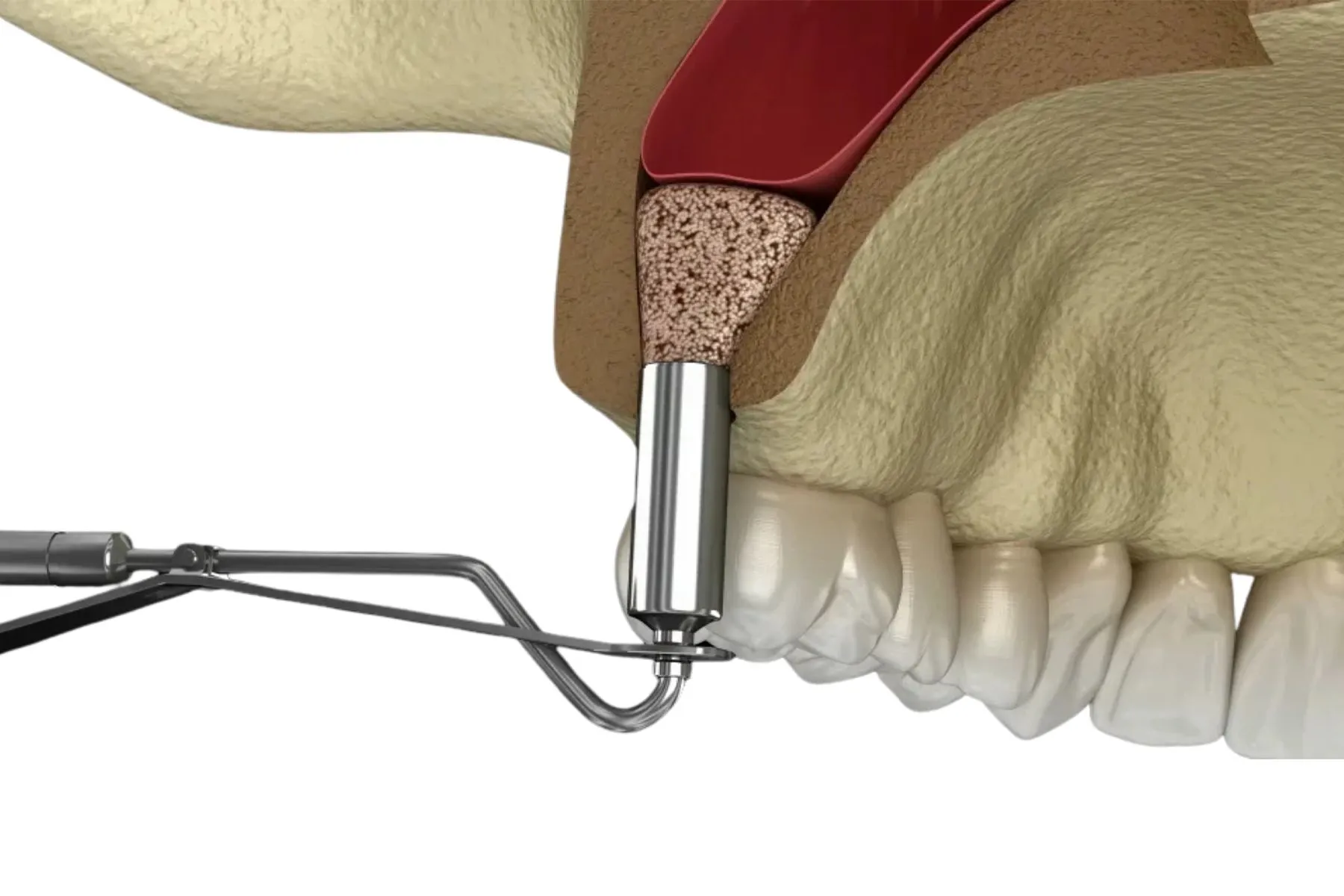
    Builds up bone height in the upper back jaw when the sinus floor is too low, ensuring enough bone depth to anchor implants securely.

    Zygomatic Implants

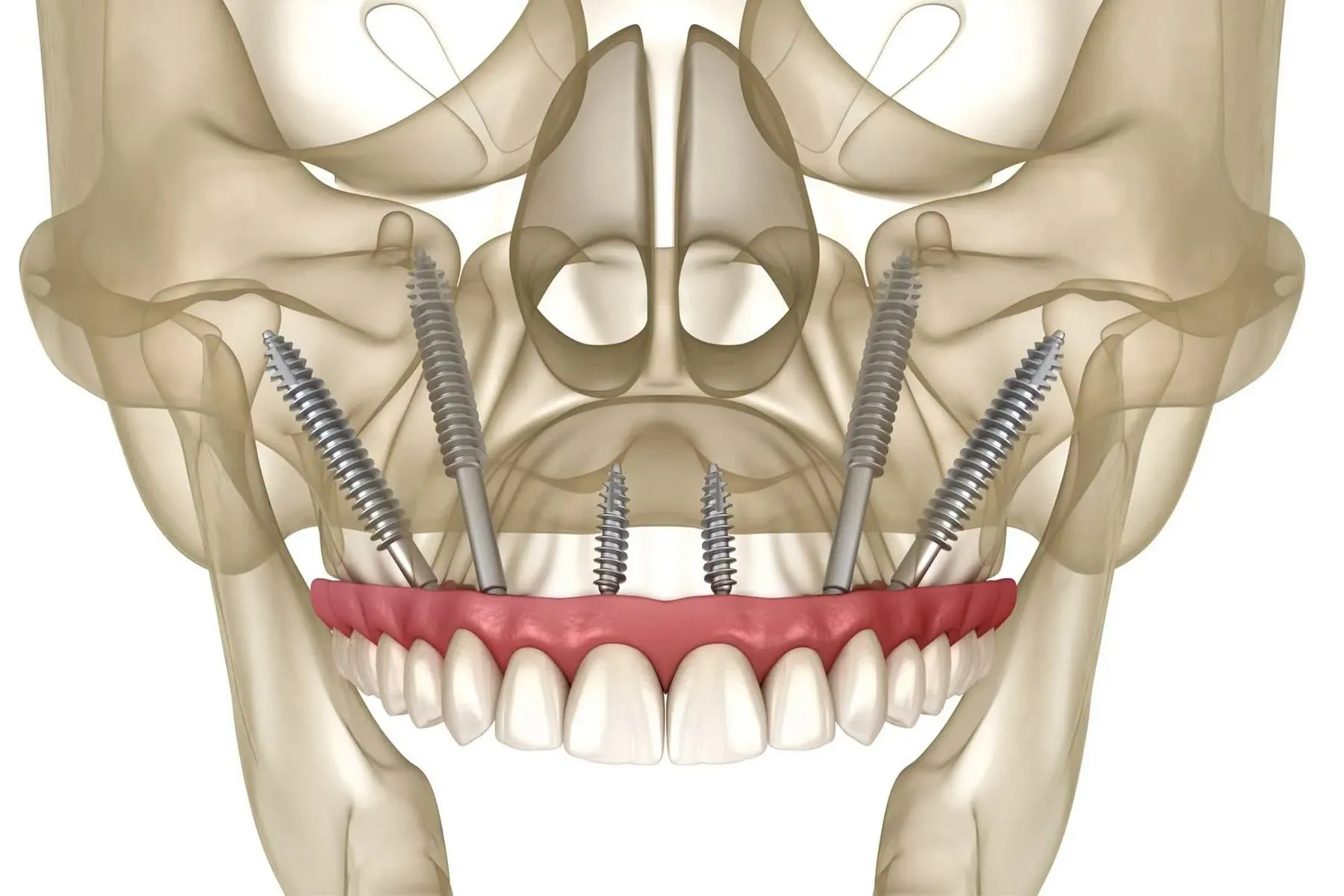
    Anchors implants directly into the cheekbone (zygoma) as an advanced solution for select cases with severe upper jaw bone loss.

    Pterygoid Implants

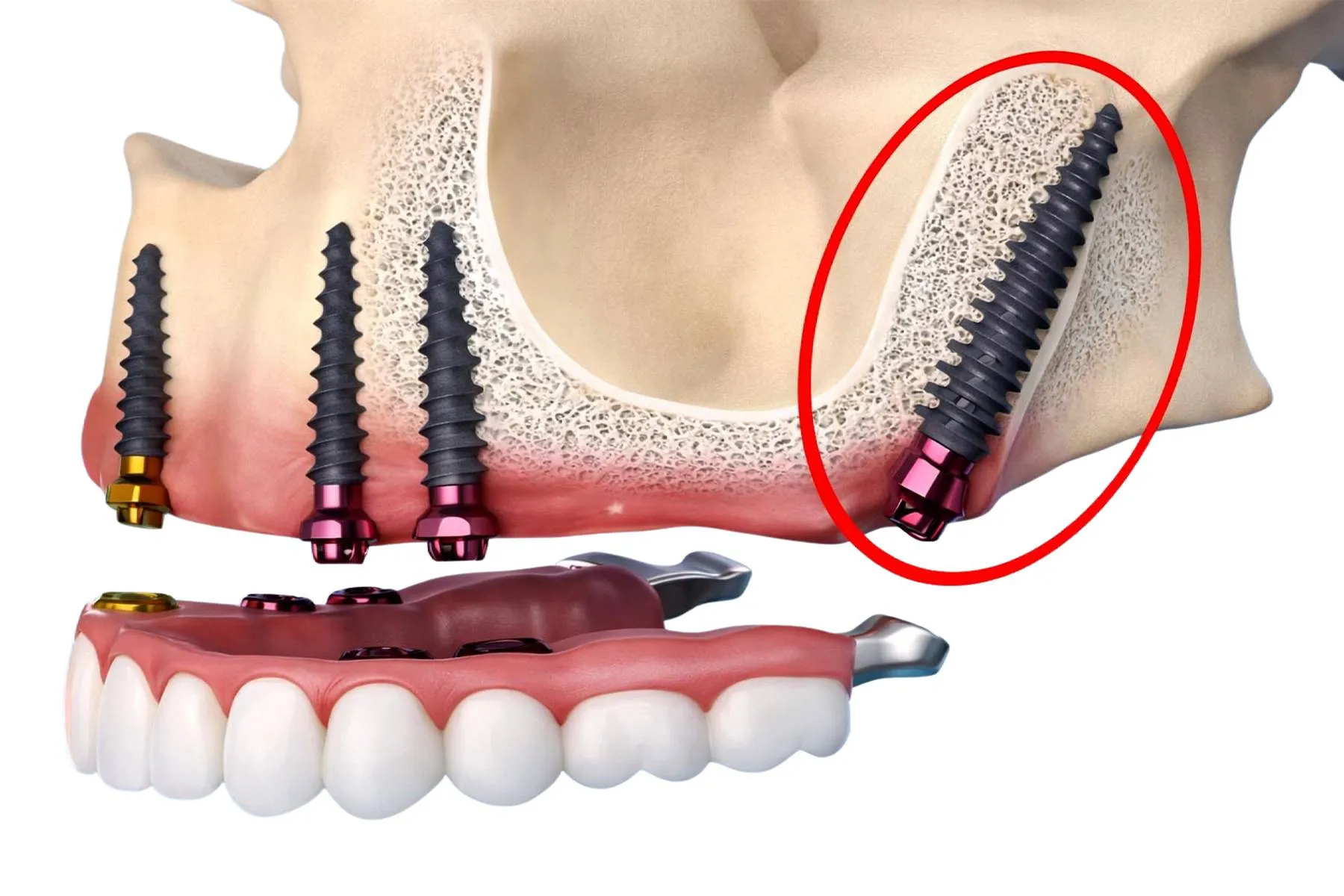
    Anchors implants into the pterygoid bone at the back of the upper jaw, providing a stable foundation for full-arch restorations in cases with posterior bone loss.

    Why Dental Implants Are the Gold Standard?

    When losing one or multiple teeth, restoring your smile involves more than filling a visible gap – it requires reviving genuine chewing function, stabilising your bite, and replacing the missing root.

    By anchoring directly into the jawbone and integrating naturally with the bone tissue, an implant behaves almost identically to a natural tooth. This is what sets dental implants apart.

    Senior dental implants
    Restore full chewing ability

    Anchored securely in the jawbone, dental implants provide excellent stability. Once treatment is complete and you have adjusted to the restoration, you can eat comfortably without the looseness, movement or irritation that can occur with some removable dentures.

    Minimise jawbone resorption after tooth loss

    After tooth loss, the jawbone no longer receives stimulation from the tooth root and may gradually shrink over time. An implant replaces the missing root, transferring chewing forces to the jawbone and helping maintain bone in the area.

    This is an important long-term benefit of replacing missing teeth with dental implants.

    Preserves adjacent natural teeth

    When replacing a single missing tooth, a traditional dental bridge usually requires the neighbouring teeth to be reshaped to support the bridge. An implant, on the other hand, can replace the missing tooth independently without relying on the teeth on either side.

    This helps preserve healthy neighbouring teeth by avoiding unnecessary treatment.

    Restores both function and aesthetic

    Implant-supported teeth are designed to suit the location of the missing teeth, your bite, and the shape and colour of the surrounding teeth. The aim is not only to restore comfortable chewing, but also to create a natural, harmonious result that complements your smile and facial features.

    Applies to single-tooth and full-arch cases

    Dental implants can be used in a wide range of situations. Depending on your individual needs, treatment may involve a single implant, multiple implants, or a full-arch restoration supported by All-on-4, All-on-6 or All-on-X implants.

    For long-term tooth loss, bone loss or complex jaw conditions, careful assessment and imaging are essential to evaluate bone levels and overall health before determining the most suitable treatment.

    Provide a lasting, permanent solution

    With appropriate treatment and good ongoing care, dental implants can remain stable for many years. Implant-supported teeth can be cared for much like natural teeth, along with regular dental check-ups to monitor the implants, gums and bite.

    Implant treatment therefore does more than simply fill the gaps left by missing teeth. It aims to provide a more comprehensive restoration – from replacing the missing tooth roots to restoring comfortable chewing, a natural appearance and long-term oral health.

    Worldwide’s 4-Step Implant Procedure

    Compliant with international AACI safety standards, Worldwide’s dental implant procedure follows a scientifically protocol with strict control at every stage:

    Step 1

    Examination & Treatment Planning

    Step 2

    Implant Placement

    Step 3

    Healing & Osseointegration

    Step 4

    Restoration Placement & Completion

    Step 1: Examination & Treatment Planning

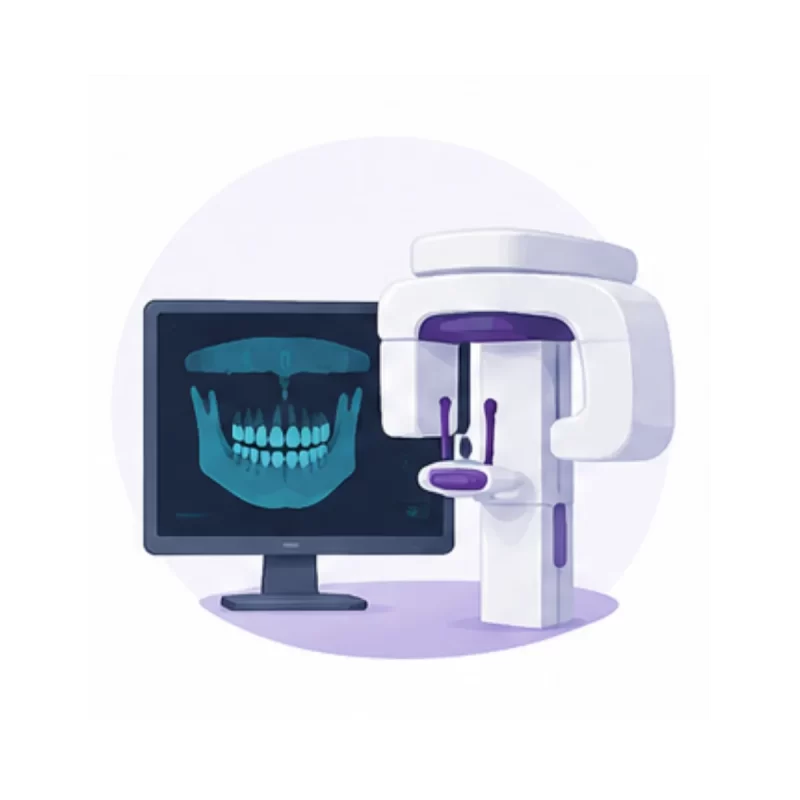
    The dentist conducts a comprehensive oral exam, assessing the missing tooth site, gum tissue, and bite. A 3D Cone Beam CT scan is then taken to evaluate jawbone volume, height, and adjacent anatomical structures.

    Using these clinical insights, the dentist determines the optimal implant position, size, and angulation to design a tailored treatment plan. If the jawbone lacks sufficient volume, adjunctive procedures such as bone grafting or sinus lifting may be indicated.

    Step 2: Implant Placement

    Estimated duration: 20 minutes per implant (for straightforward cases)

    Inserted into the jawbone at the precisely planned site, the implant post replaces the missing tooth root, establishing a durable anchor for the future restoration.

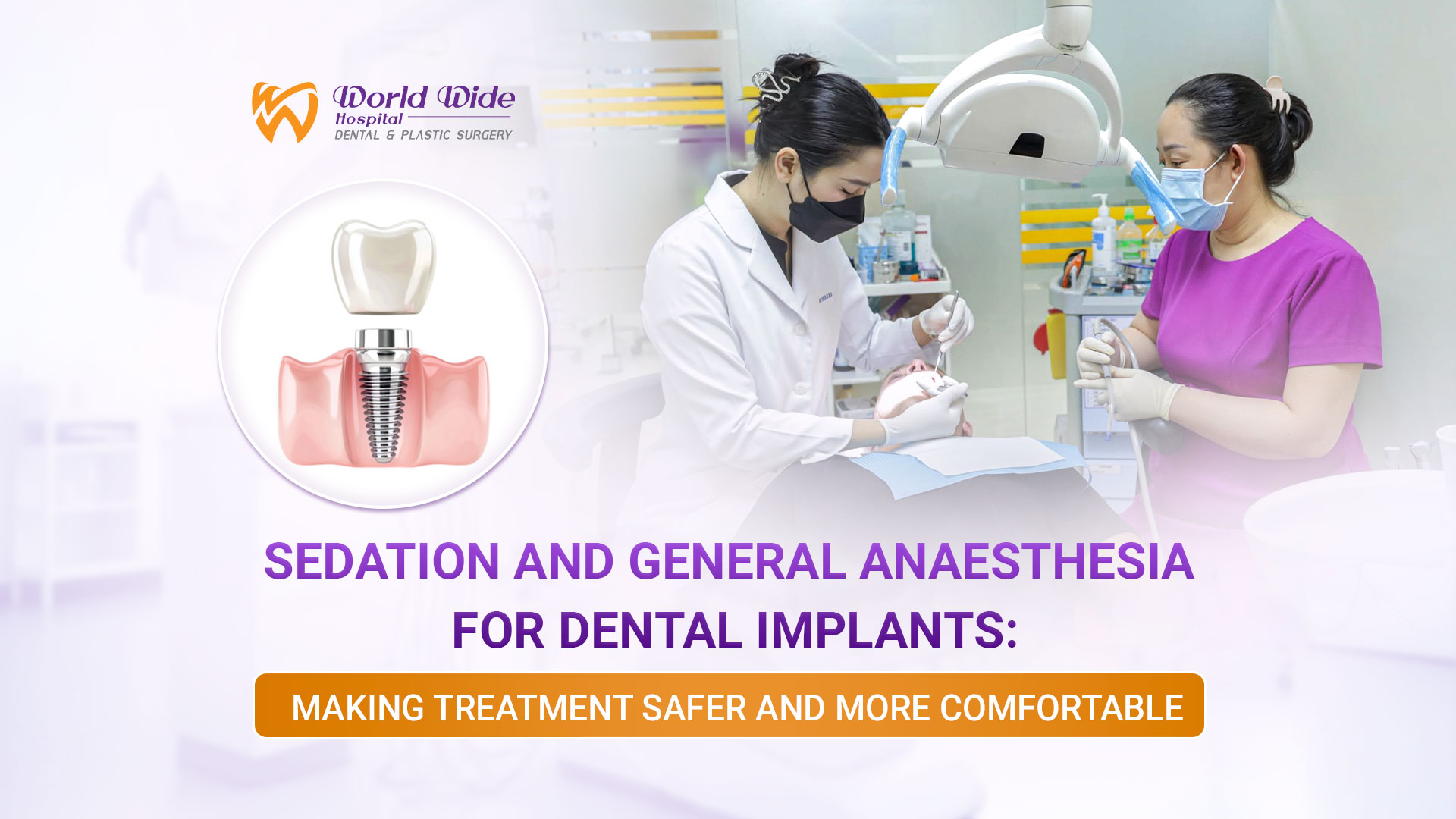
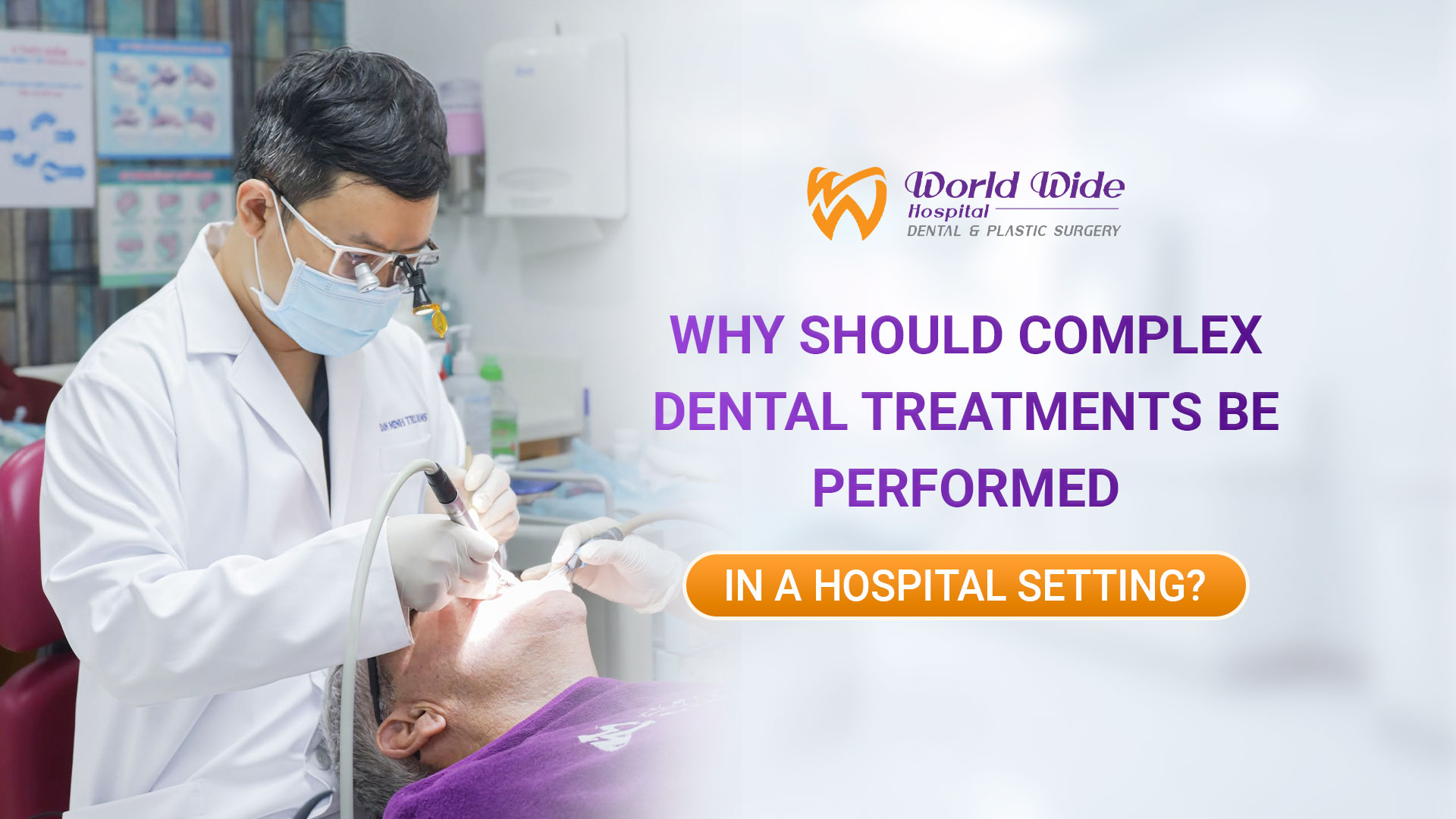
    Depending on case complexity, surgery is performed under local anesthesia, conscious sedation, or general anesthesia. Worldwide Dental Hospital offers advanced sedation and general anesthesia led by a dedicated surgical team – ideal for complex full-arch rehabilitations or multi-procedure treatments in a single visit.

    Operating time may vary if multiple implants are placed or combined with bone grafts, sinus lifts, or other adjunctive procedures.

    Step 3: Healing & Osseointegration

    Estimated duration: 3 to 6 months

    Following placement, the implant requires time to integrate securely with the jawbone. During this period, the dentist monitors healing and provides tailored guidance on oral hygiene, diet, and surgical site care.

    Osseointegration times vary depending on bone quality and implant location, individual healing capacity, any adjunctive procedures, and the chosen implant surface technology.

    Step 4: Restoration Placement & Completion

    Once the implant has successfully integrated, digital scans or impressions are taken to craft the custom restoration. The restoration is meticulously checked for fit, contours, aesthetics, and bite alignment before final delivery.

    Following treatment, patients receive detailed home-care guidance and a schedule for periodic check-ups to monitor gum tissue, implant stability, and the restoration.

    Note:  The timeline above is an estimate. Your overall treatment duration depends on your jawbone condition, the number of implants, individual biological response, and whether adjunctive procedures – such as bone grafting or sinus lifts – are required. A specific timeline will be confirmed following your clinical examination and diagnostic imaging.

    Key Considerations for Successful Dental Implantation

    1. Disclose complete medical history: Inform your dentist of any underlying conditions – such as cardiovascular disease, diabetes, osteoporosis, or bleeding disorders – as well as current medications for a thorough pre-treatment assessment.

    2. Stop or restrict smoking: Nicotine impairs tissue perfusion, surgical healing, and osseointegration. Cease smoking within the timeframe recommended by your dentist.

    3. Follow pre-operative dietary instructions: Have a light meal before arriving if undergoing local anesthesia. If sedated or under general anesthesia, strictly follow your doctor’s specific fasting guidelines.

    4. Rest well and manage stress: Ensure adequate sleep and avoid late nights prior to surgery to keep your body in optimal condition.

    5. Follow your doctor’s instructions: Complete all required pre-treatment tests and take or adjust medications strictly as guided. Do not discontinue current medications or take any additional drugs before your implant procedure without consulting your doctor.

    1. Apply cold compresses and rest within the first 24 hours: Mild post-operative swelling is expected. Rest, apply ice packs as instructed, and avoid strenuous activity during the initial recovery days.

    2. Stick to soft foods and protect the surgical site: Opt for soft, easy-to-chew, lukewarm foods. Avoid hard, chewy, or hot items that could irritate or compromise the surgical site.

    3. Maintain gentle oral hygiene: Keep the oral cavity clean without brushing vigorously or disturbing the implant site directly. Use prescribed mouthwashes and hygiene aids as directed.

    4. Take medications as prescribed and avoid alcohol and tobacco: Never alter dosages or discontinue medication on your own. Both smoking and alcohol hinder tissue repair and osseointegration.

    5. Keep follow-up appointments and monitor for complications: Routine check-ups allow your dentist to evaluate tissue healing and implant stability. Contact the dentist promptly if you experience escalating pain, swelling, persistent bleeding, fever, or any unusual symptoms.

    Why Choose Worldwide for Your Dental Implants?

    International patients at Worldwide

    1. Over 30 Years of Clinical Expertise in Implantology

    Worldwide is led by Dr. Do Dinh Hung, one of the pioneer dental surgeons to perform implant placement in Vietnam in 1994. This extensive track record and thousands of treated cases ensure optimal safety and predictable clinical success.

    2. Highly Specialized Doctors & Multidisciplinary Care

    For complex cases, our team leverages close collaboration across implantology, prosthodontics, periodontics, and related specialties to deliver cohesive, comprehensive treatment plans.

    3. Comprehensive Treatments: From Single Implants to Complex Cases

    Worldwide offers a complete spectrum of surgical solutions, including single implants, All-on-4, All-on-6, All-on-X, bone grafts, sinus lifts, and advanced zygomatic or pterygoid implants where clinically indicated.

    4. Surgical Suites with Advanced Sedation and General Anesthesia Capabilities

    For indicated cases – particularly full-arch rehabilitations or complex surgical procedures – patients can undergo treatment under sedation or general anesthesia managed by a dedicated specialist team.

    5. Advanced Diagnostic and Surgical Guidance Technology

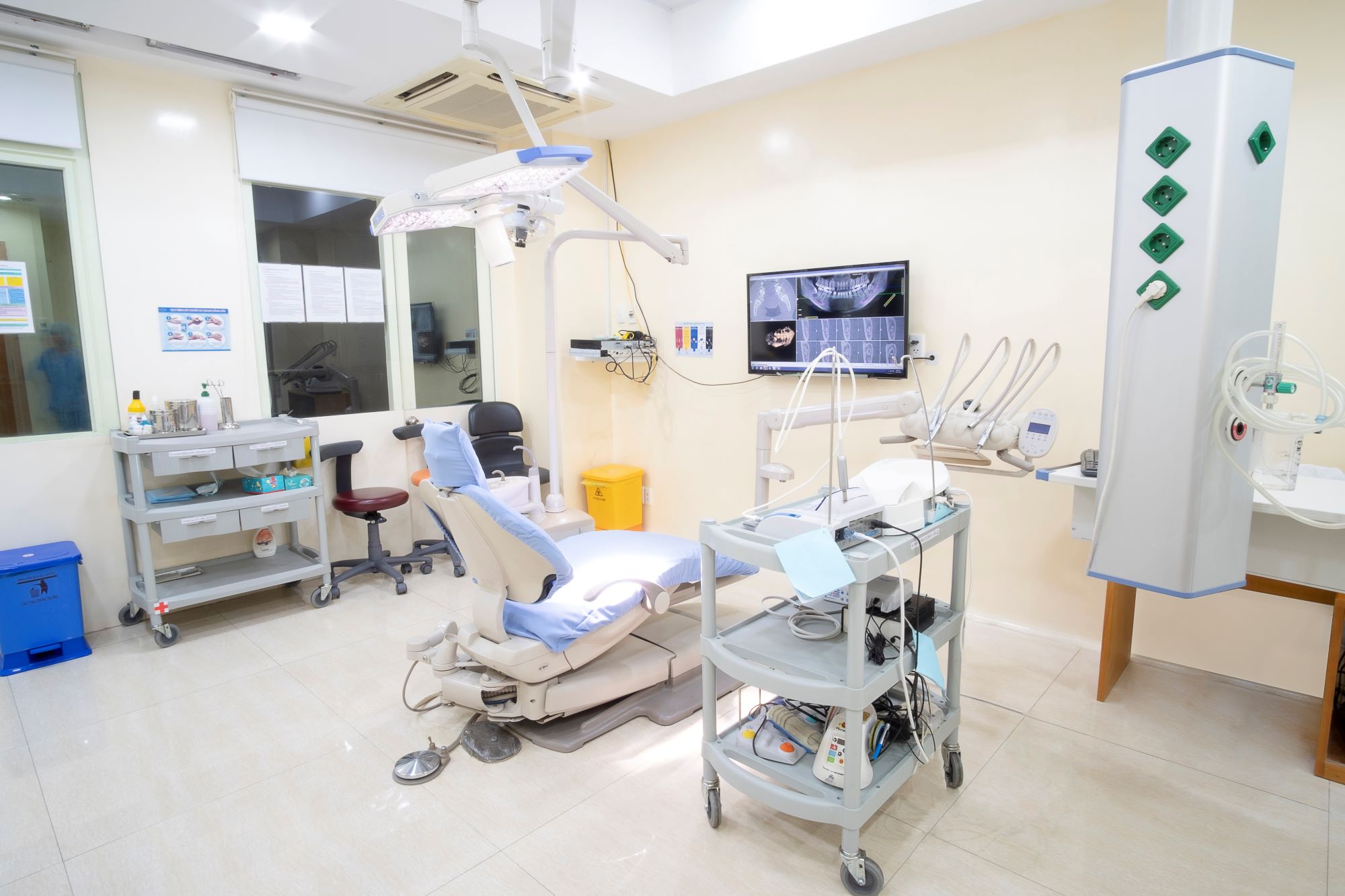
    3D Cone Beam CT, digital scanning, and dedicated technologies allow for accurate jawbone assessment, streamlined treatment planning, and enhanced clinical control.

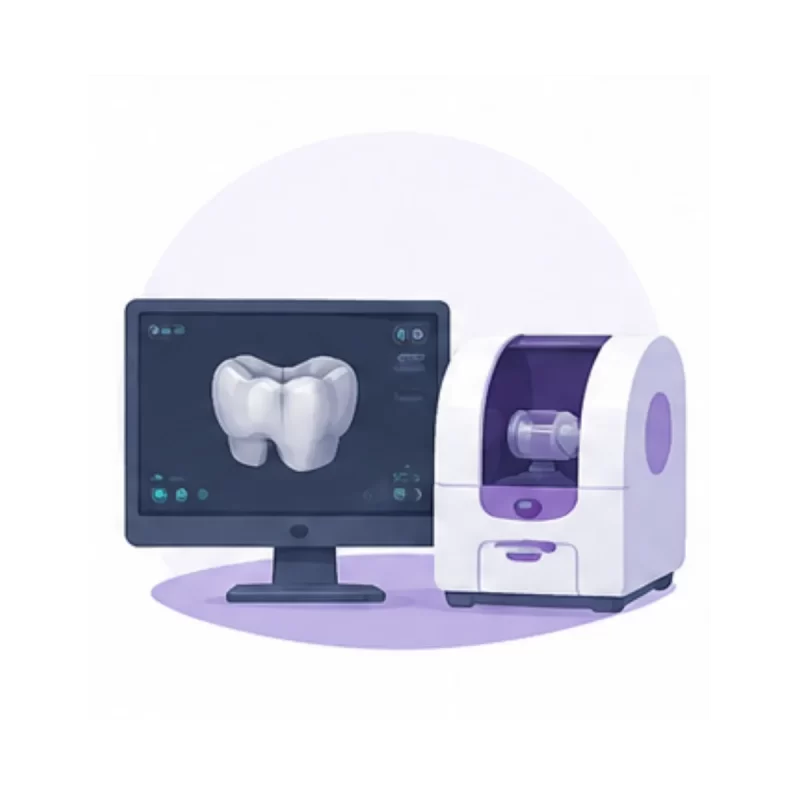
    6. In-House CAD/CAM Dental Laboratory

    Direct chairside collaboration between clinicians and dental technicians streamlines the design and fabrication of restorations, ensuring tight quality control over contours, occlusion, aesthetics, and turnaround times.

    7. Transparent Protocols and Clear Warranty Coverage

    Comprehensive clinical and implant records are meticulously maintained to facilitate long-term follow-up, maintenance, and seamless aftercare.

    8. Ongoing Follow-Up in the U.S. via ConnectedCare™

    Through Worldwide Dental in Huntington Beach, California, U.S.-based patients have a dedicated local facility for post-operative exams, routine follow-ups, and continued maintenance after receiving implant treatment in Vietnam.

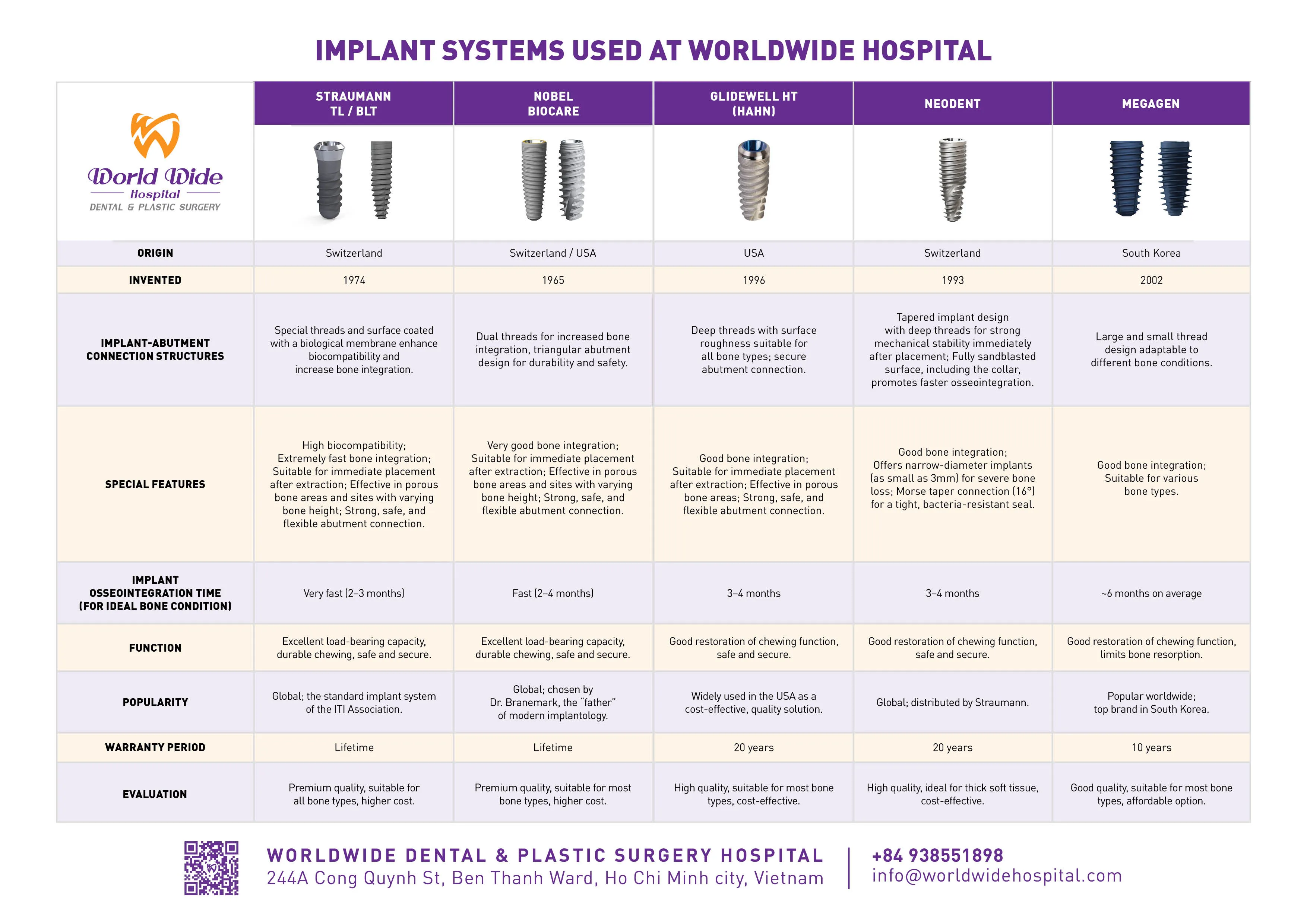
    Implant systems
    Book a Consultation View Price Guide

    Beware of Low-Cost Implants:  An unusually low price may be appealing initially, but far more important are implant quality, origin, clinician expertise, and treatment protocols. Many advertised rates cover only the implant post itself, omitting the abutment, final crown, or necessary procedural costs.

    Furthermore, implants of unverified origin or lacking standardized components create severe obstacles for future maintenance, repair, or replacement. Rather than choosing based on price alone, prioritize transparent implant systems, a well-defined treatment plan, and long-term warranty coverage.

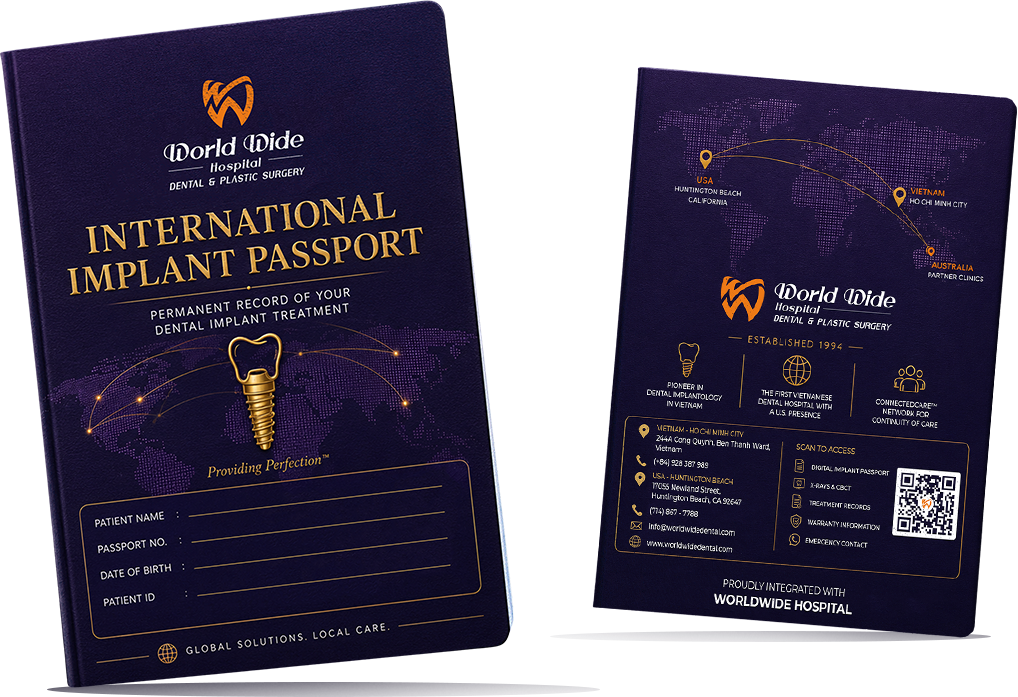
    Your Personalized Implant Technical Record
    Implant specifications
    Clinical treatment records
    Warranty coverage
    Long-term post-treatment follow-up
    Seamless dental care across Vietnam and the US

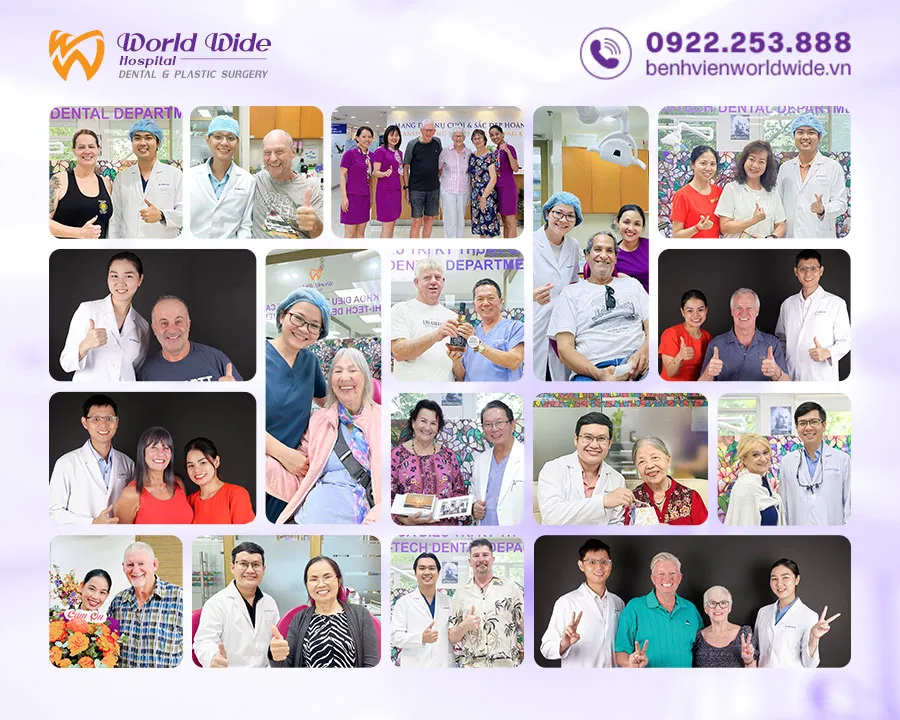
    Worldwide Hospital – Trusted by Thousands of International Patients

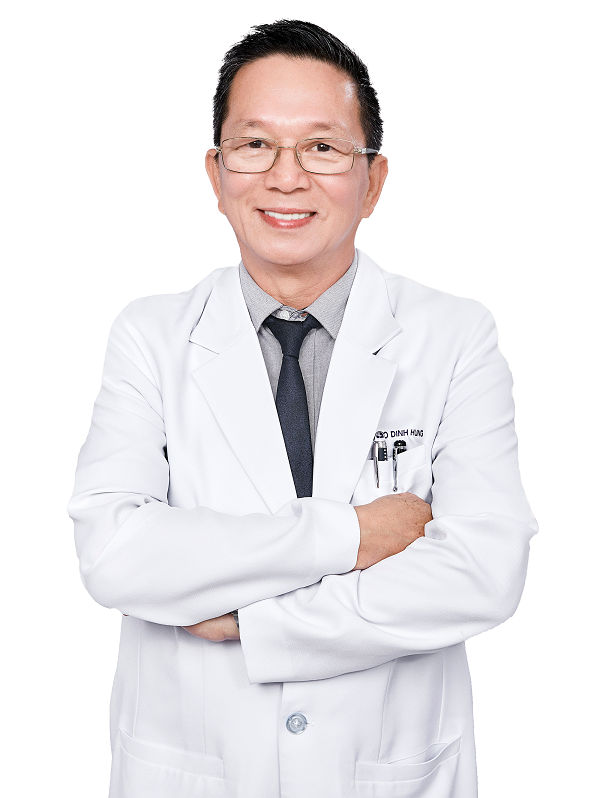
    Do Dinh Hung – DDS PHD Founder

    DO DINH HUNG, DDS, PhD, SPEC. II

    • Specialization: Dental implant & restoration, Prosthodontics, Maxilo-facial surgery.
    • Education/Certifications:
      • Bachelor degree in Dentomaxillofacial from Saigon Medical university.
      • DFMS (Diplôme de Formation Médicale Spécialisée, or Diploma of Specialist Medical Training) in Maxillofacial Surgery – Level I).
      • DFMS in Odonto Restoration – Level II
      • Master in General Dentistry with a concentration in Prosthodontics from University of Houston, Texas, US.
      • PhD with thesis related to the Application of Technology in Dental Implant.
    • Language: English
    VIEW DETAILS
    BS-HÙNG-HÀNH TRÌNH CẤY GHÉP IMPLANT

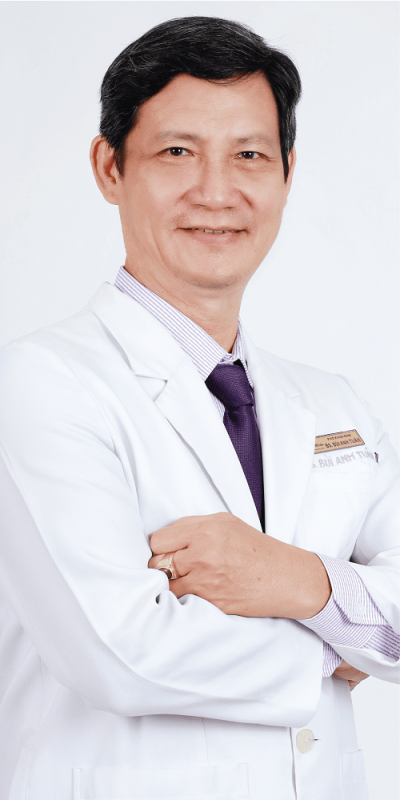
    Dr. Bui Anh Tuan – Head of Oral Maxillofacial Department

    BUI ANH TUAN, DDS

    • CCHN: 007417/HCM-CCHN
    • Specialization: Implant placement, Implant restoration & Oral surgery
    • Experience: 27 years
    • Education: Graduated from University of Medicine and Pharmacy at Ho Chi Minh City
      • Internship in Dental Implant at Harvard University (2013)
      • Internship in All-on-X & Zygoma in Hong Kong (2014)
      • Internship in bone grafting and full arch restoration in the United States (2017)
    • Languages: English
    VIEW DETAILS
    Bác sĩ bùi anh tuấn

    Doctor

    VU THI PHUONG LAN, DDS

    • CCHN: 0036071/HCM-CCHN
    • Specialization: Dental Implants, Oral Surgery
    • Experience: 12 years
    • Graduation: Graduated from University of Medicine and Pharmacy at Ho Chi Minh City, Faculty of Oral maxillofacial.
    • Internship on Nobel Biocare Implants at Malo clinic in Portugal, Macao.
    • Certificate: Continuous training in “Dental Implant Placement” and “Oral Surgery”.
    • Languages: English
    VIEW DETAILS
    vu thi phuong lan

    Master – Doctor Tran Minh Tri

    TRAN MINH TRI, DDS, MSc

    • CCHN: 0035672/HCM-CCHN
    • Specialization: Cosmetic dentistry and restoration, Minimal invasive dentistry, Cosmetic and veneer restoration, Full mouth fixed restoration.
    • Experience: 12 years
    • Education: Graduated from University of Medicine and Pharmacy at Ho Chi Minh City, Faculty of Oral maxillofacial.
      • Member of the American Academy of Cosmetic Dentistry.
      • (AACD) since 2016.
      • Member of the Academy of Dental Esthetics and Sciences (ADES) since 2016.
    VIEW DETAILS
    tran minh tri

    Doctor

    NGUYEN HOANG LOC, DDS

    • CCHN: 037458/ HCM – CCHN
    • Specialization: Dental Implant, Cosmetic Dentistry and Veneer Prosthesis, Full-mouth Reconstruction.
    • Experience: 12 years
    • Education: Graduated from University of Medicine and Pharmacy at Ho Chi Minh City in 2013
    • Certificates:
      • Member of the American Academy of Cosmetic Dentistry, USA since 2016.
      • Continuous training certificate on dental implants at the Central Face and Jaw Hospital 2018.
    VIEW DETAILS

    CÂU HỎI THƯỜNG GẶP

    nguyen hoang loc

    Doctor

    NGUYEN THANH VU, DDS, MSC

    • CCHN: 052616/HCM-CCHN
    • Specialization: Oral surgery, Implant Dentistry
    • Experience: 9 years
    • Education:
      • Doctor of Dental Surgery (DDS) and Master of Science (MS) in Implant Dentistry degree from the University of Medicine and Pharmacy at HCM City.
      • Internship at Northwest Implant Center (Oregon, USA) specializing in Digital Implant Dentistry.
    • Language: English
    VIEW DETAILS
    bac-vu-doi-ngu

    Doctor

    HO MINH TAM, DDS

    • GPHN: 001953/HCM-GPHN
    • Specialization: Oral Surgery, Dental Implantology, Cosmetic and Veneer Dentistry.
    • Experience: 7 years
    • Education:
      • Bachelor degree in Dentomaxillofacial from University of Medicine and Pharmacy HCMC
      • Dental implant training course – University of Medicine and Pharmacy HCMC
    • Language : English
    VIEW DETAILS
    hình bs Minh Tâm

    Frequently Asked Questions

    1. Is the dental implant procedure painful?

    During placement, the area is completely numbed with local anesthesia, so pain is well-controlled throughout the procedure. Mild swelling, tenderness, or discomfort is common for the first few days post-surgery, which is easily managed with prescribed medication and proper aftercare. For complex surgeries or full-arch treatments, sedation or general anesthesia may also be considered.

    2. How long does it take to place a single implant?

    In straightforward cases, placing a single implant post takes approximately 20 minutes. However, the total surgical duration depends on the number of implants, your existing bone condition, and whether adjunctive procedures – like bone grafting or sinus lifting – are required.

    3. How long does it take to get a completed implant tooth?

    Generally, the implant takes 2 to 6 months to integrate securely with the jawbone before the permanent restoration can be placed. The exact timeline is determined following a clinical examination and depends on the specific implant system selected.

    4. Can I still get dental implants after prolonged tooth loss and severe bone resorption?

    Yes. However, a 3D Cone Beam CT scan is required to assess your remaining bone volume and density. Depending on your condition, the doctor may indicate bone grafting, a sinus lift, or advanced implant techniques specifically designed for severe bone loss.

    5. Are dental implants suitable for seniors?

    Age alone is never a barrier. What matters far more is your overall medical health, jawbone condition, and individual healing capacity. Therefore, seniors require a thorough clinical evaluation by a doctor before undergoing treatment.

    6. If I lose all my teeth, do I need an implant for every single missing tooth?

    No. For full-arch tooth loss, solutions such as All-on-4, All-on-6, or All-on-X strategically use a select number of implants to anchor a full bridge. The optimal configuration is tailored directly to your bone structure and clinical profile.

    7. How long do dental implants last?

    With proper diagnosis, precise surgical placement, and meticulous home care, implants can last for decades. Their longevity depends on daily oral hygiene, surrounding gum health, smoking habits, biting forces, and routine dental check-ups.

    8. Is general anesthesia required for implant placement?

    Not in every case. Single-tooth implants are routinely performed under local anesthesia. For full-arch rehabilitations, extensive surgeries, or clinically indicated cases, Worldwide Dental Hospital provides sedation and general anesthesia managed by a dedicated specialist team.

    9. How much does dental implant treatment cost?

    Total costs vary depending on the chosen implant system, the number of implants, the type of restoration, your bone condition, and any adjunctive procedures like bone grafts or sinus lifts. Rather than comparing advertised per-implant rates, a comprehensive clinical exam and 3D scan are essential to receive an accurate, transparent treatment plan and quote.

    10. What follow-up care is required after dental implants?

    Following surgery, scheduled check-ups allow your doctor to assess tissue healing and implant stability. After final restoration, regular dental exams and cleanings are essential to monitor your gums, bite, and overall implant longevity.

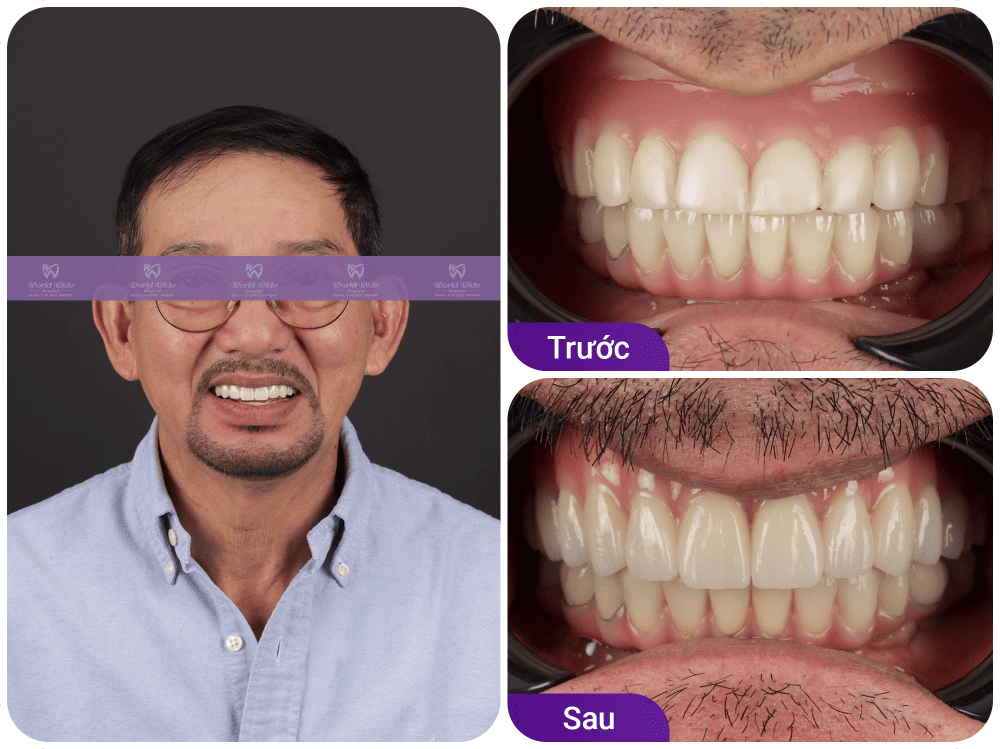
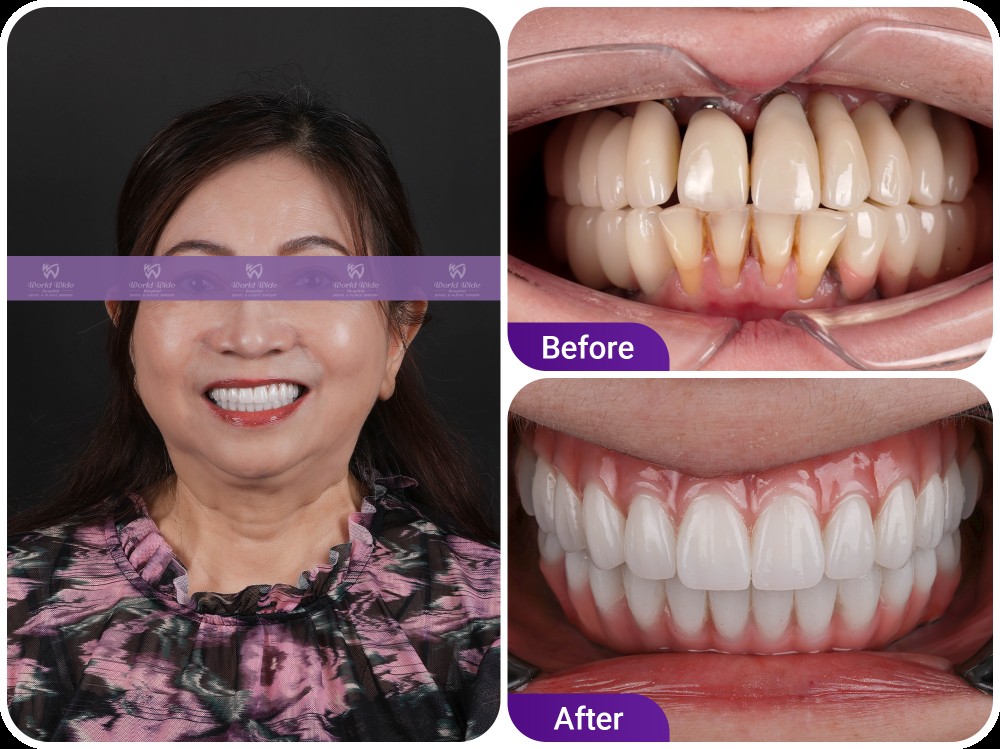
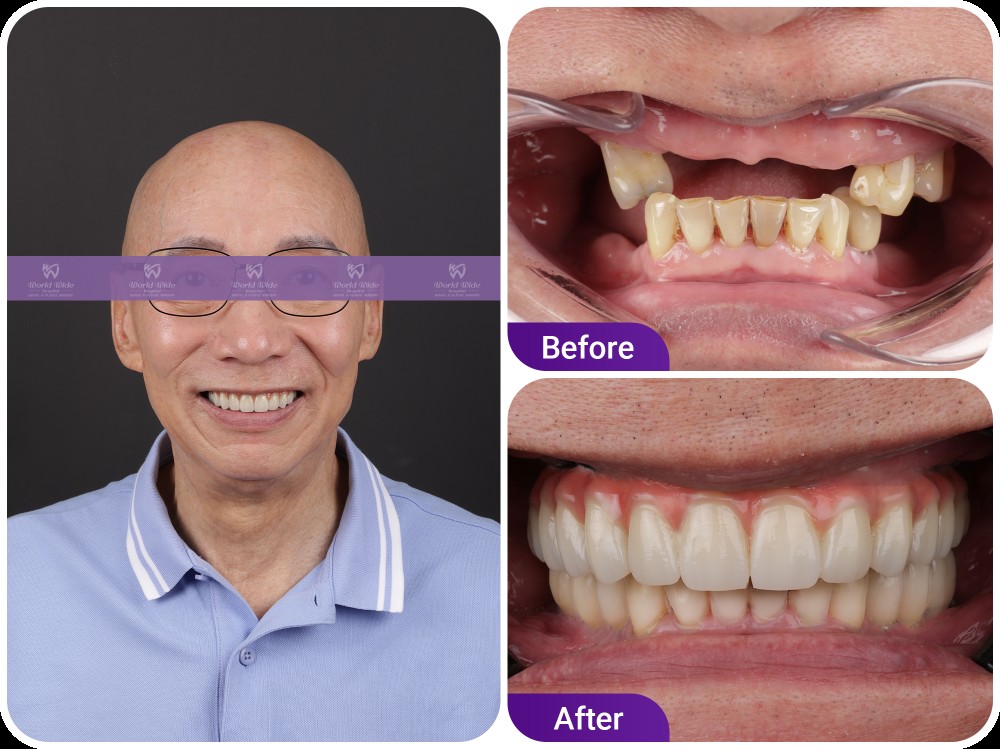
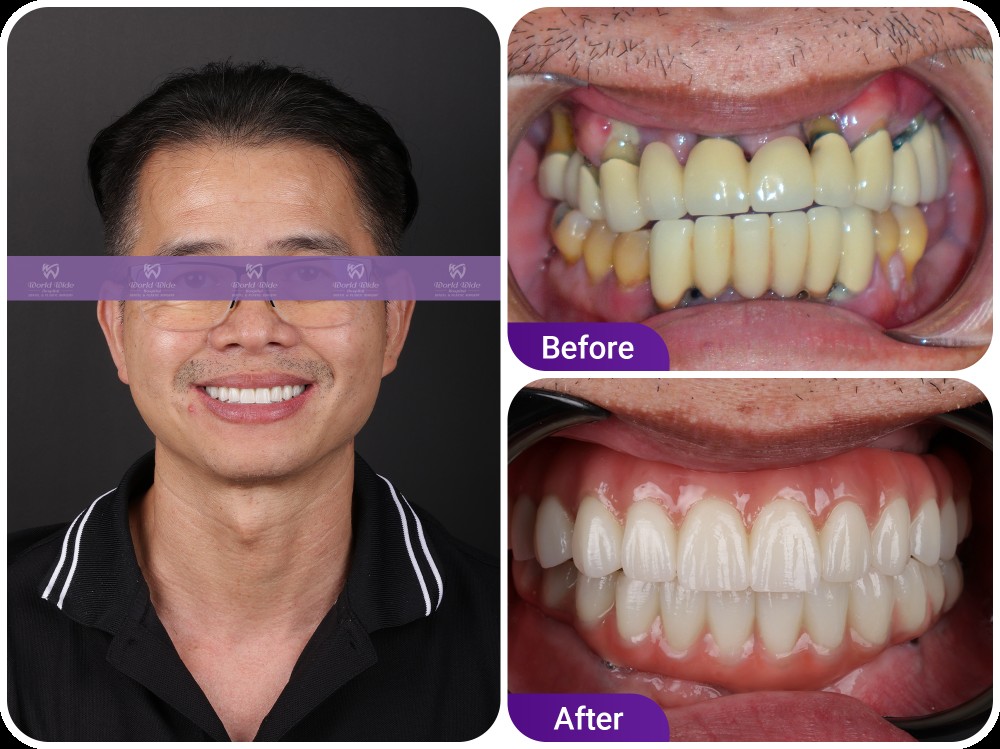
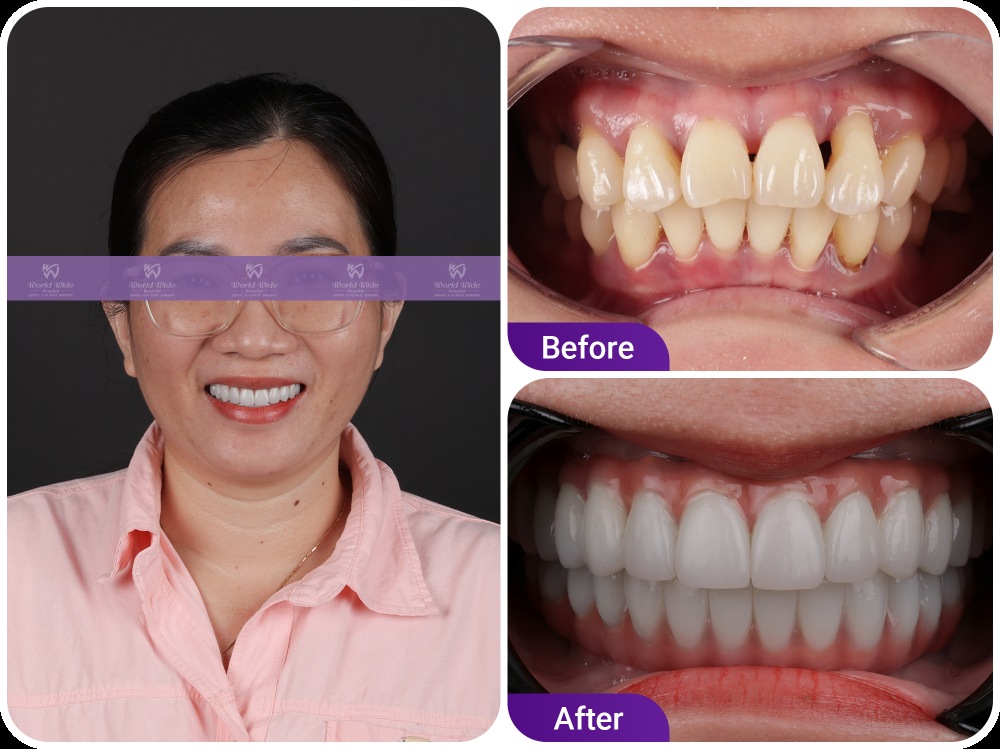
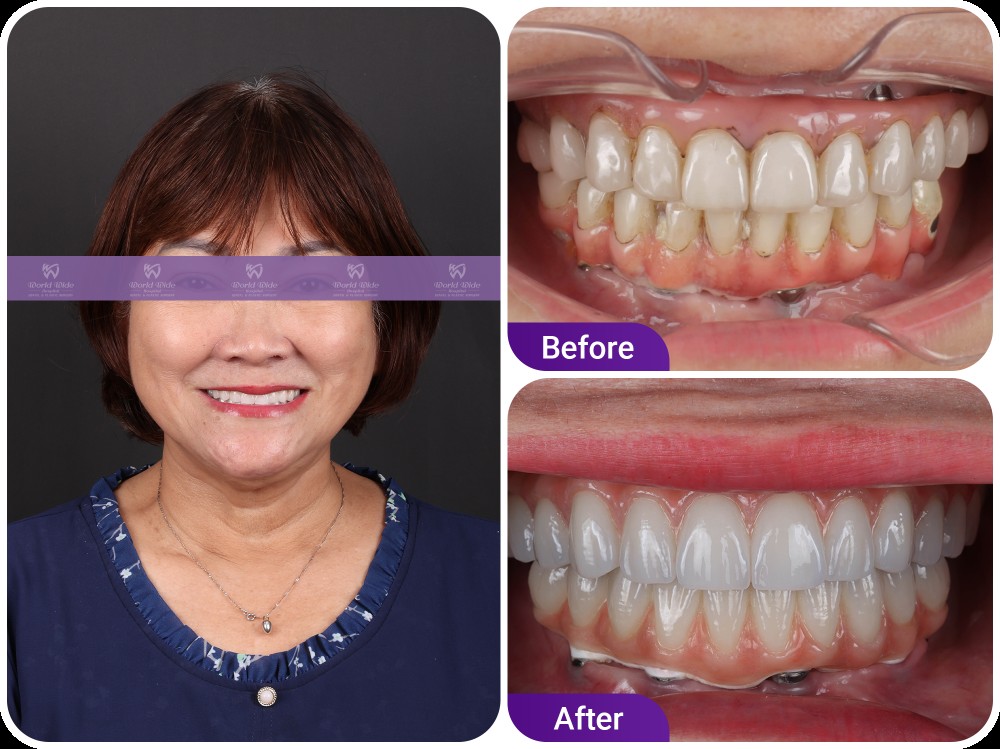
    PROVEN RESULTS

    TREATMENT STORIES FROM OVERSEAS VIETNAMESE PATIENTS
    AT WORLDWIDE DENTAL HOSPITAL 

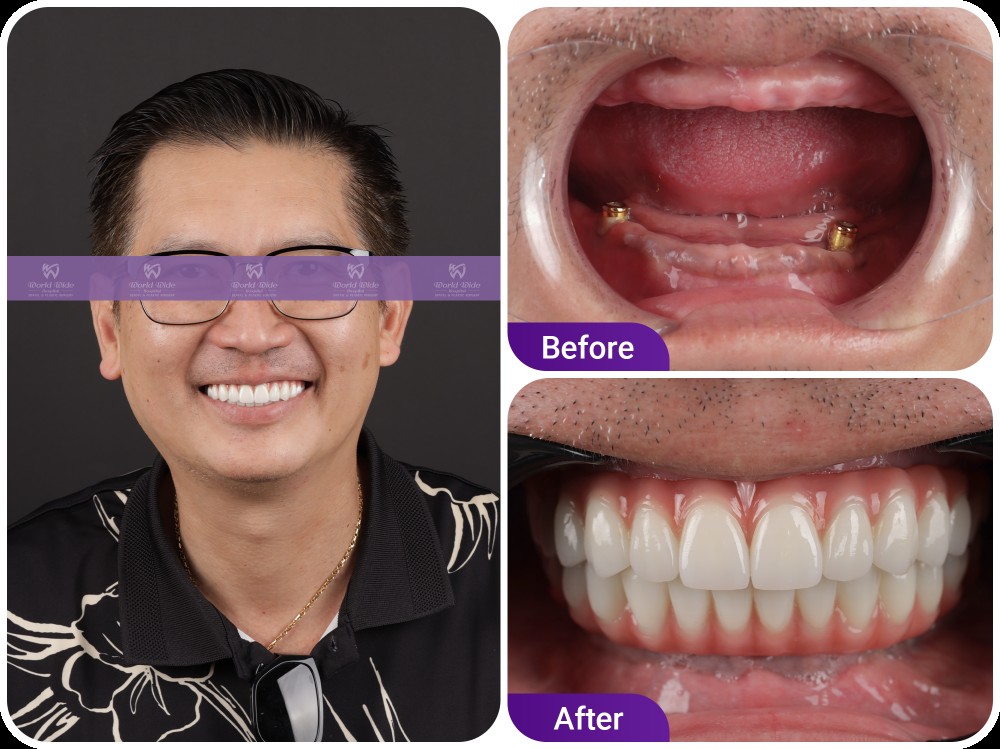
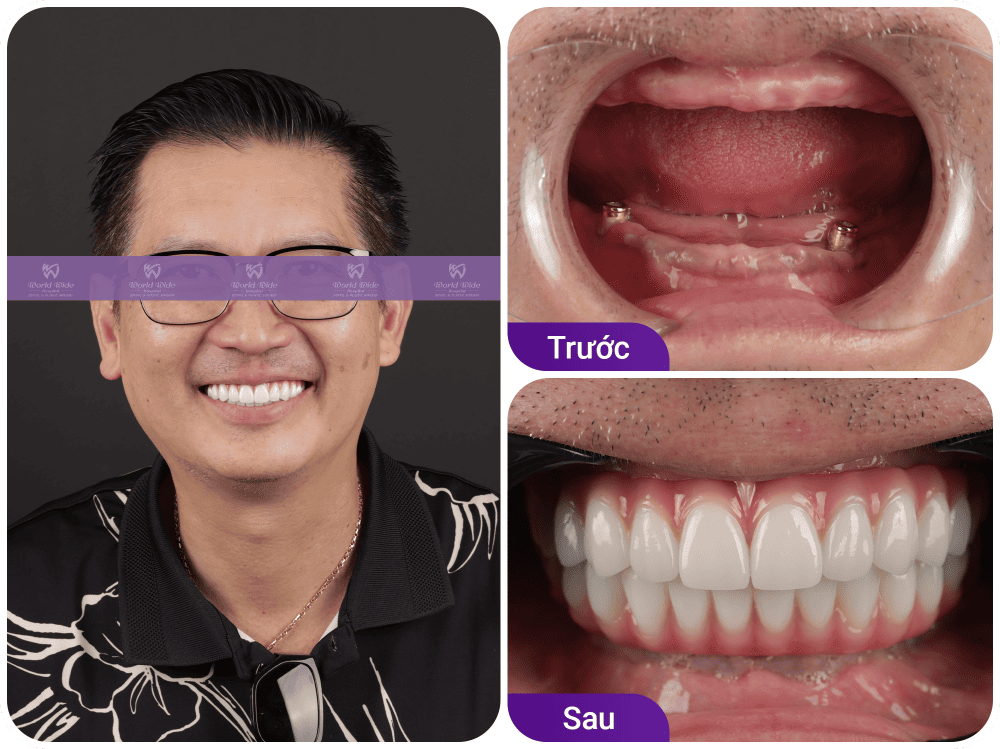
    REGAINING YOUTH & VITALITY WITH ALL-ON-4 DENTAL IMPLANTS

    “DON’T WORRY, DENTAL IMPLANTS ARE COMPLETELY PAIN-FREE!” – MS. HOA, PATIENT AT WORLDWIDE

    • WORLDWIDE HOSPITAL | “GETTING DENTAL IMPLANTS WAS THE BEST DECISION I EVER MADE”

    THE ULTIMATE DENTAL SOLUTION BEYOND REMOVABLE DENTURES

    Implant Knowledge Hub

    BEGIN YOUR DENTAL TRANSFORMATION JOURNEY WITH WORLDWIDE

    Two Countries – One Seamless Care System

    WORLDWIDE DENTAL HUNTINGTON BEACH


    Address: 17055 Newland St, Huntington Beach CA 92647

    Hotline: +1-714-867-7788

    CONTACT US

    WORLDWIDE DENTAL HOSPITAL HCMC


    Address: 244A Cong Quynh St., Ben Thanh Ward, HCMC

    Hotline: 0922 253 888

    CONTACT US